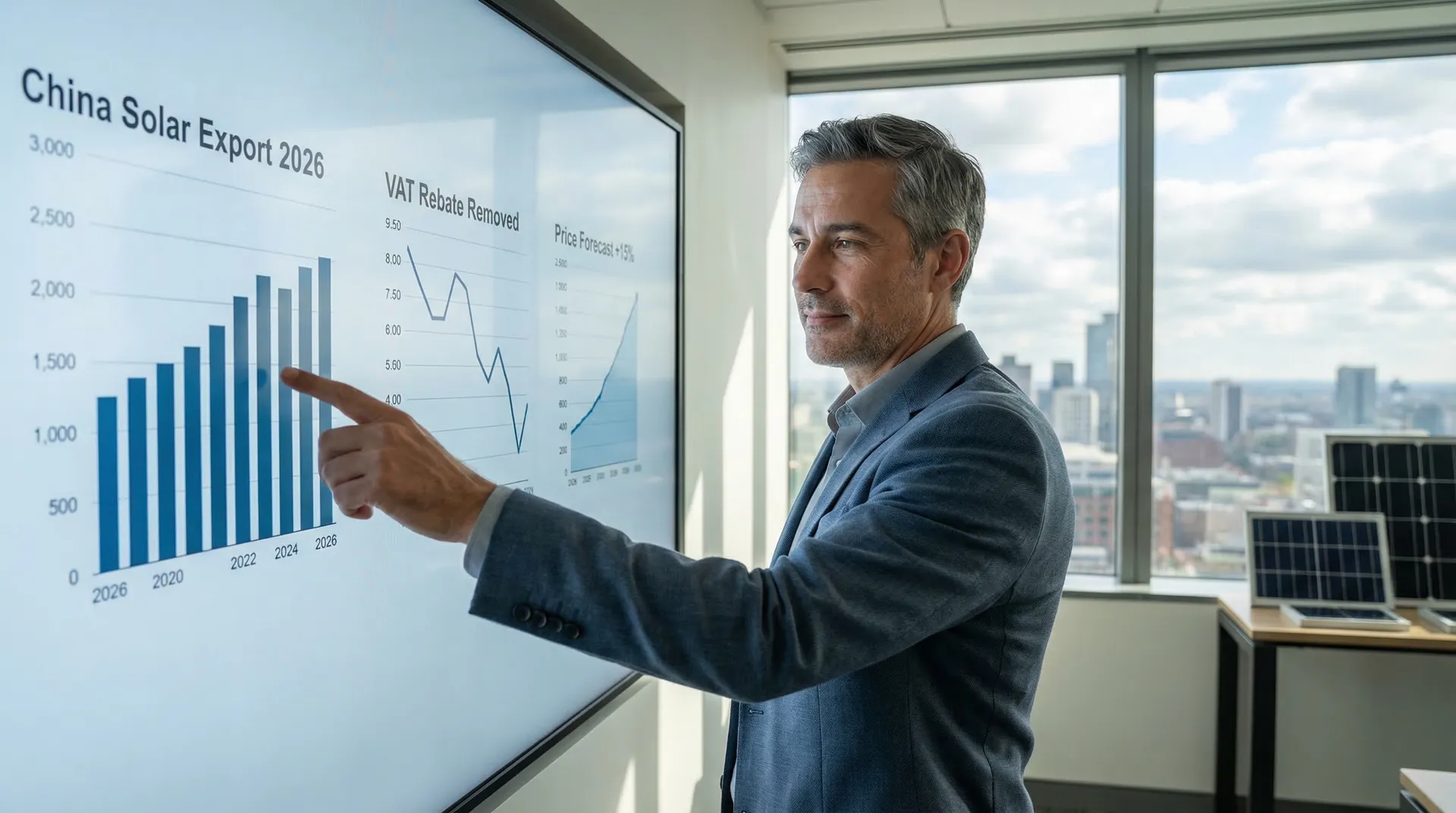
The Chinese solar industry is entering a phase of structural pricing adjustment. The decision to cancel the export VAT refund means a direct increase in the cost of export shipments. Previously, the refund was up to 9-13%, depending on the product category. With its cancellation, manufacturers are losing part of the margin buffer, which allowed them to maintain ultra-low export prices.
Forecast of price dynamics in 2026
Short–term effect (March-April 2026)
A wave of accelerated purchases is expected before April 1. Contracts are fixed according to the old terms. After the changes come into force, a one-time increase in export prices by 8-12% is possible.
Second quarter of 2026
The market is stabilizing in a new range. The average price increase for TOPCon and PERC modules may be 10-15% relative to the average levels at the end of 2025.
The raw material factor
Rising prices for polysilicon and silver increase the pressure on production costs. If the trend continues, the final increase in annual terms may reach 15-20% in individual segments.
Impact on global supply chains
- Developers of solar plants in Europe and the Middle East are adjusting CAPEX budgets.
- Importers are seeking to diversify suppliers, including Southeast Asia.
- The contractual logic is shifting towards shorter periods of price fixing.
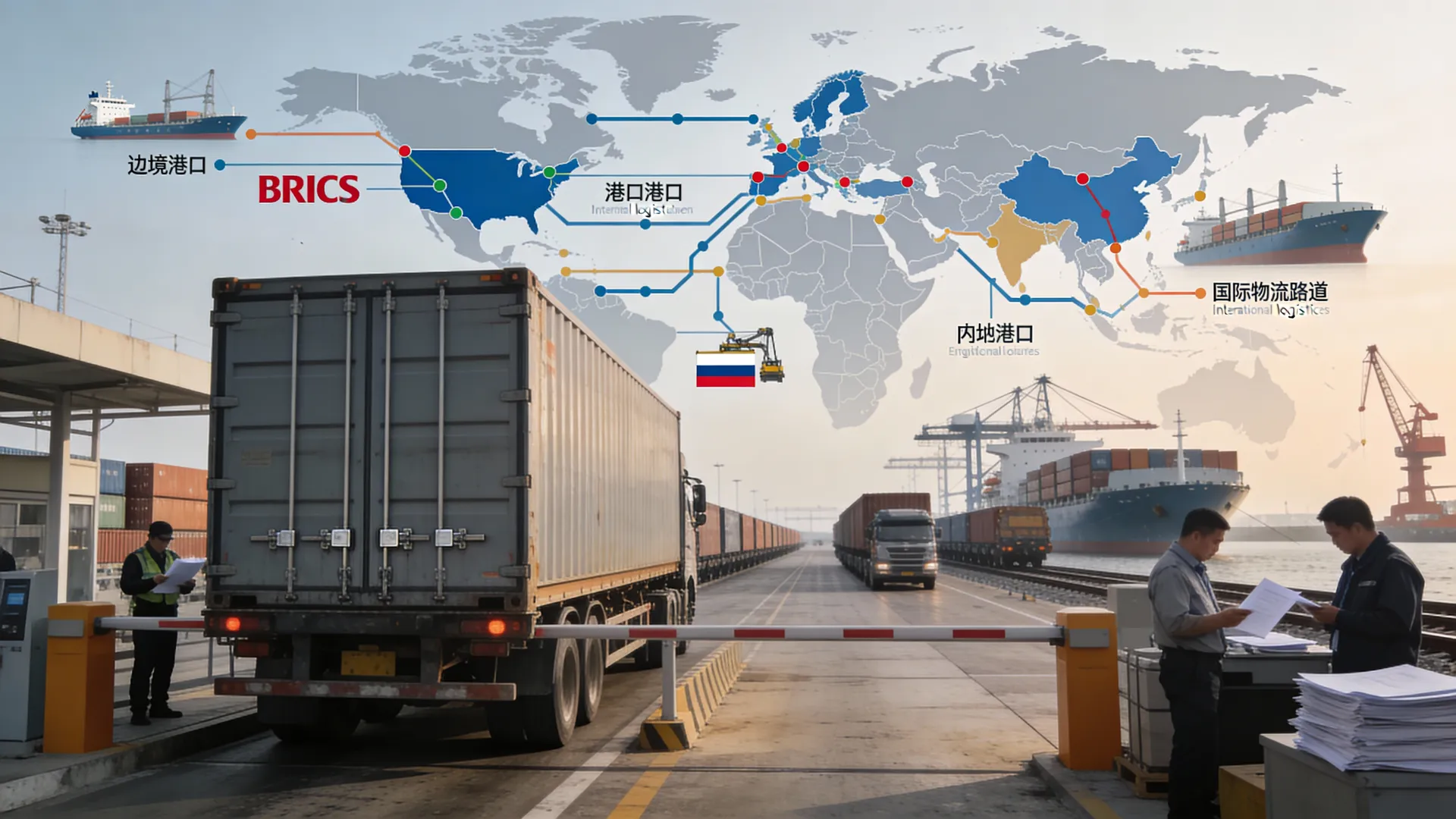
Impact on foreign economic activity and logistics
For participants in foreign economic activity, rising prices means:
- an increase in the customs value and, consequently, the base for calculating VAT;
- increasing financial burden on working capital;
- revision of the terms of letters of credit and advance payments;
- increasing the importance of currency risks when calculating in yuan.
In the short term, there may be a surge in exports from Chinese ports in March, which will increase freight rates in certain destinations.
Strategic withdrawal
The year 2026 marks the transition of the Chinese solar industry from a subsidized export model to market pricing. For the global market, this means the end of the era of ultra-cheap panels.
For a business in foreign economic activity, the key task is to recalculate contracts, currency risks and delivery schedules in advance. Manageability is becoming more important than purchasing speed.