The EAEU intends to fully form a single exchange space by 2029, a project that can significantly change the pricing of raw materials and basic goods within the union and strengthen export positions in foreign markets. The EEC Minister for Integration and Macroeconomics, Daniyar Imanaliev, spoke about the plans for the final launch, recalling that a program for the development of exchange trading has already been approved in 2025.
The key purpose of the program is to move from fragmented national rules and disparate platforms to common trading principles, compatible infrastructure and end—to-end access for participants. In the logic of the EAEU, this is a step towards more transparent competition: uniform trading standards reduce “price noise”, and comparable indicators give the market clear guidelines for concluding long-term contracts.
The central focus is a three—step implementation. At the first stage, the emphasis is on norms and rules:
"This document will be implemented in three stages. The first stage involves the development of a regulatory framework - work on the harmonization of legislation, the development of an international agreement in this area, the interaction of commodity exchanges," he explained.
In a practical sense, this is where the fate of the project is decided: without a common agreement and agreed requirements for bidders, the single market will remain a showcase. For the business of foreign economic activity, this means the future unification of procedures: from admission to trading and disclosure requirements to clearing and collateral rules.
The second stage is “verification on the ground": pilot bidding, setting up infrastructure and information systems. This is more important than it seems. The stock market lives by speed: quotes, transaction confirmations, clearing and shipping documents must converge in a single contour. If the IT connection is weak, the participants will go back to over-the-counter contracts.
The third stage is designated as the final launch by 2029.:
"The third stage, which is expected by 2029, is the full launch of a single exchange space, the formation of conditions for non-discriminatory access to trading on all platforms that we have in the union," the EEC Minister stressed.
The phrase about non—discriminatory access is the main marker. The point is that access to trades and generated price indicators should not be a “privilege" of individual countries or platforms. If successful, the union receives more stable market prices for raw materials and goods, and exporters receive a clear benchmark in negotiations with counterparties in Asia, the Middle East and other regions.
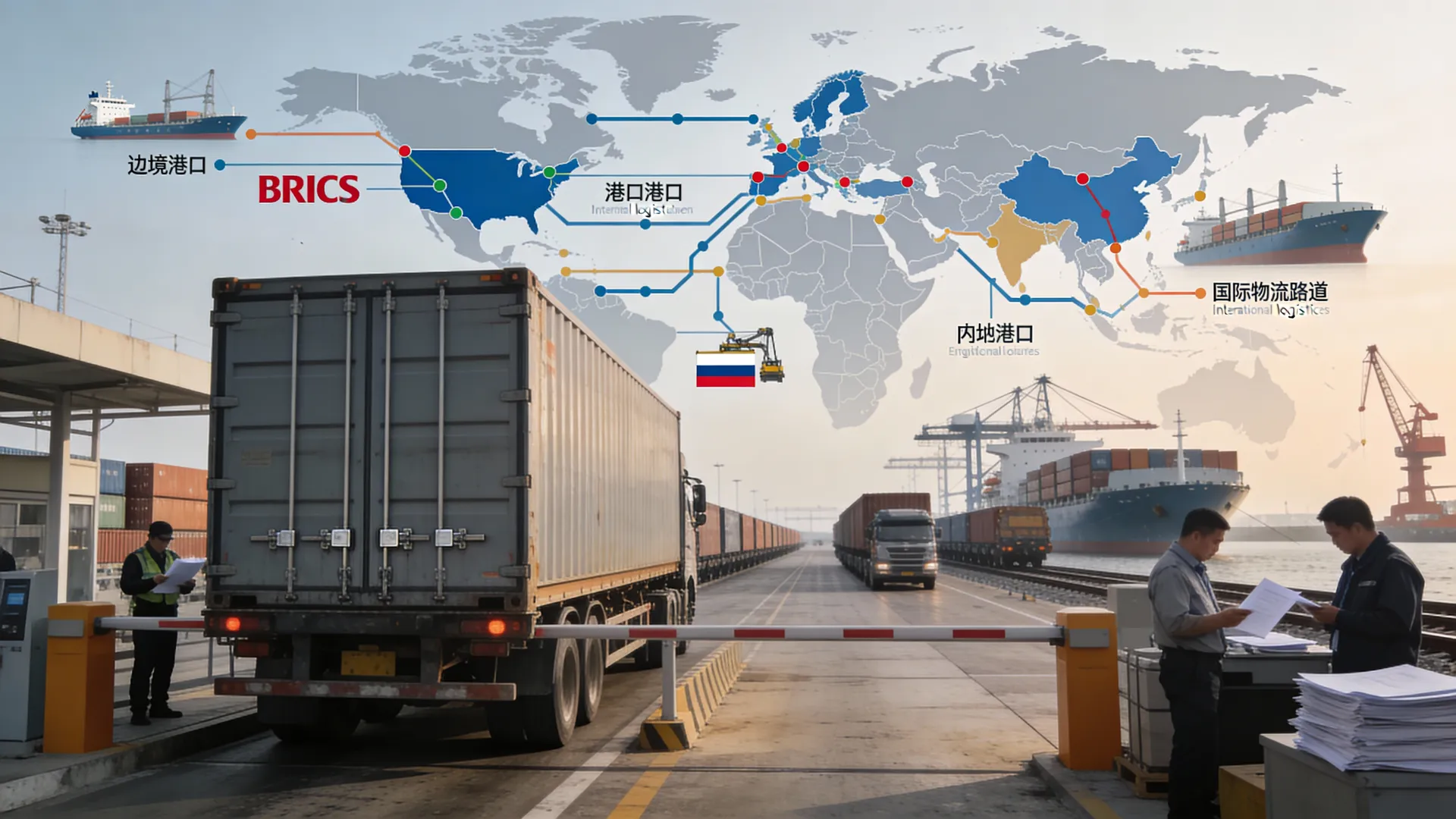
Why is it necessary for logistics and freight transportation? Stock prices almost always lead to a reconfiguration of commodity flows. When the market has a single indicator and transparent demand, the rhythm of deliveries changes: the share of planned shipments increases, the role of warehouse infrastructure increases, and it is easier for carriers to predict peaks and “dips”. This is especially noticeable in the raw materials and mass commodity categories, where the cost of logistics is calculated in pennies per kilogram, and price volatility is immediately reflected in routes and loading.
Imanaliev directly links the initiative to exports:
"This is a step towards strengthening our positions at the global level, we will be able to increase the volume of our union exports," added Daniyar Imanaliev.
For the participants of foreign economic activity, the conclusion is simple: by 2029, a more “civilized” market for price benchmarks may appear in the EAEU. Those who work with raw materials and bulk goods should monitor the preparation of an international agreement and pilots in advance — this is where future admission rules, document requirements and new opportunities for long-term contracts will appear.