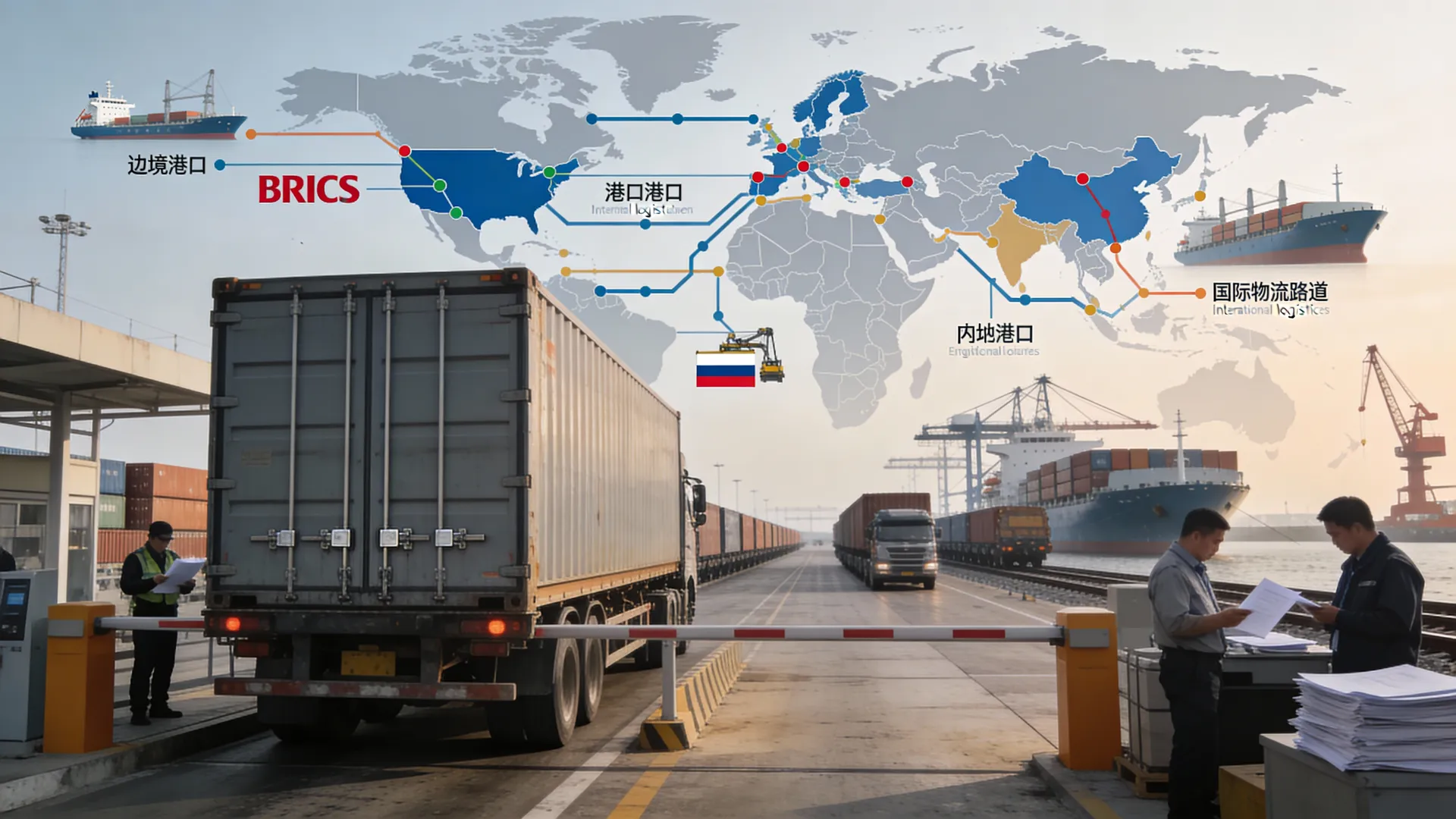
Modern digital technologies are becoming the basis for the development of logistics and one of the main tools for improving business efficiency. Their implementation allows companies to significantly reduce costs, speed up operations and improve customer service. Logistics, as one of the key areas of the economy, is actively being rebuilt under the influence of digitalization.
One of the first areas of transformation was electronic document management (EDI), which allows information to be exchanged quickly and error-free between participants in the supply chain. Instead of paper documents, a single digital data stream is available in real time. This simplifies control, speeds up inspections, and reduces costs.
The second important area is warehouse automation. Stacker robots, smart shelving, motion sensors, and analytics make it possible to speed up order processing, optimize storage, and reduce dependence on the human factor. All this leads to reduced errors and increased accuracy.
The third area is the use of artificial intelligence (AI). Algorithms predict demand, suggest optimal routes, manage inventory, and monitor the effectiveness of operations. AI is integrating deeper into logistics, helping to make decisions based on data rather than intuition.
Logistics management systems are integrated on a single platform, allowing chain participants to see the order status, control delivery times, receive notifications, and respond in advance to schedule deviations. This applies to carriers, warehouses, and customers.
Mobile solutions are also being actively introduced into digital logistics. It is enough for drivers to show a QR code on their smartphone to pass through the control, and the cargo data is already available in the state GIS EPD system. Since 2024, a single format of electronic transport documents has been established, simplifying interaction with tax authorities.
Digital transformation is not just the introduction of technology, but a deep reassessment of logistics processes. Companies go through the stages: from analyzing current activities to choosing the right solutions and systems. Success depends on choosing the right priorities and properly configuring processes to meet the needs of a particular business.
Thus, the logistics of the future is a complex digital ecosystem where all processes are integrated, transparent and managed in real time. It is in this direction that the industry is developing, setting new standards for efficiency and speed.