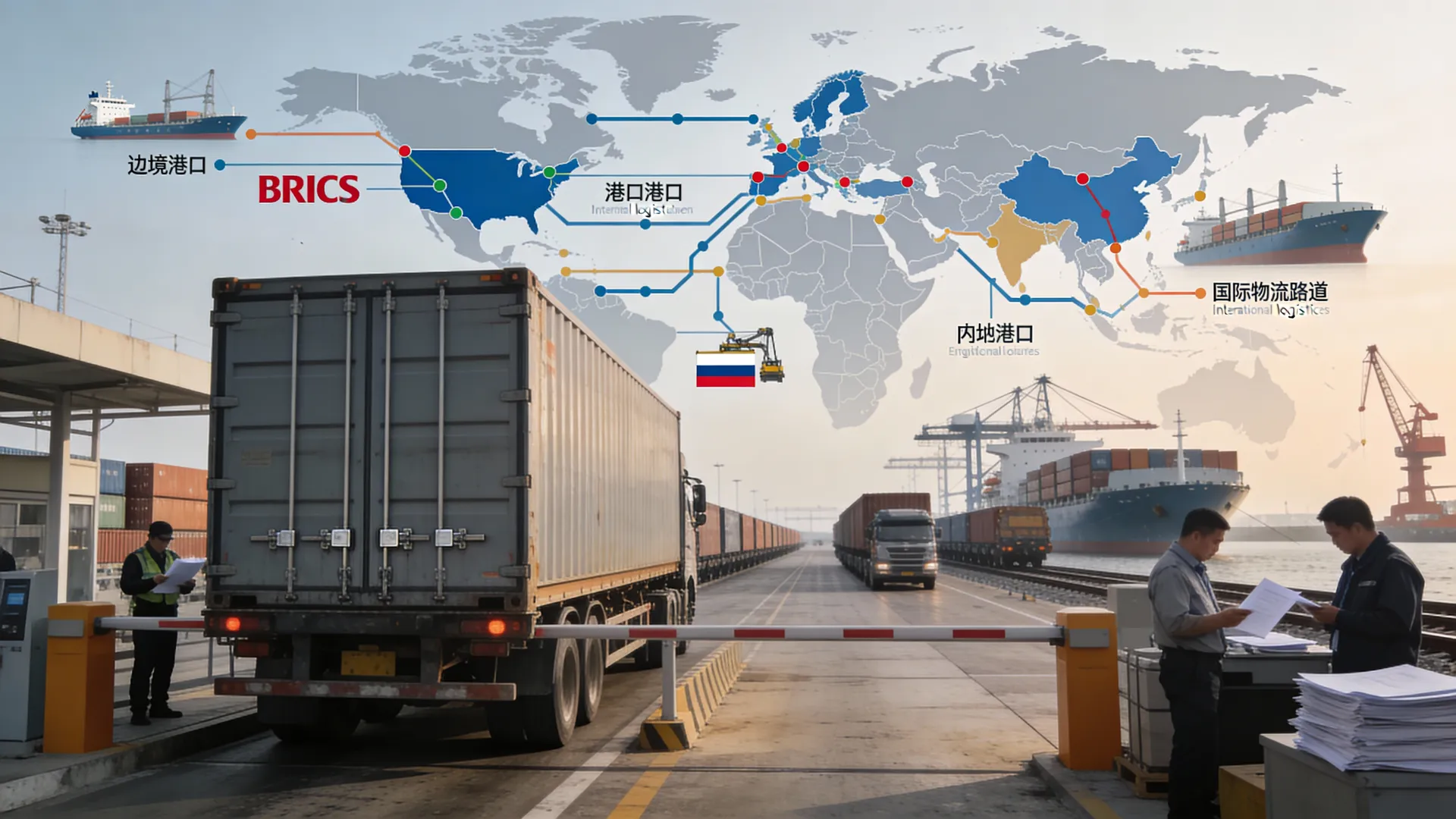
The government has fixed the regulatory framework for the national digital transport and logistics platform GosLog. This is an important turnaround: the industry is moving from disparate services and private storefronts to a single government data exchange architecture, where key processes — from permits to accompanying documents — must be assembled in a "one-stop shop" format.
According to the approved regulation, the platform is conceived as a single platform for business and government interaction. The point is not to create another "cabinet", but in end—to-end digital traceability of transportation along the entire chain: sender - carrier — terminal — recipient. For the market, this means increased manageability and a reduction in "gray areas", especially at the junctions of modes of transport and infrastructure hubs.
GOSLOG's architecture includes a set of information subsystems: from the "Digital passport of transportation" and the "Digital profile of the participant" to blocks of legal significance, registers of infrastructure facilities and vehicles, a geographic information layer and a single regulatory reference base. The Ministry of Transport has been identified as the operator, which is important for further unification of data requirements and integrations with government systems.
The practical entry point for a business is timing. The decree comes into force on March 1, 2026, and it is from this date that the register of notifications on freight forwarding activities should be launched on the basis of GOSLOG. Registration is expected through the portal of public services, and the government promises to approve a separate procedure for maintaining the register additionally.
For participants in foreign economic activity, the effect will be twofold. On the one hand, speeding up the turnover of documents and reducing the waste of time on approvals can give a real increase in the speed of supply chains, especially during periods of peaks and capacity shortages. On the other hand, discipline is increasing: the digital footprint turns violations of transportation modes, discrepancies in data and "inconsistencies" along the route into easily detectable events. This directly affects the cost of risk.: insurance, claims work, forwarder's responsibility and quality of compliance.
International corridors and the BRICS agenda are of particular interest. The more trade there is on long routes (multimodal: sea-railway-auto), the higher the price of a single data standard. If GosLog really becomes a center for legally significant exchange and routing of statuses, it will be easier for Russia to "stitch" internal traceability with external digital initiatives of partners — from port systems to e-documents. But this will require careful configuration of data access, cyber protection, and clear rules about who is responsible for what when foreign counterparties are involved in the chain.
The main conclusion for the market is that GosLog is not just an IT project, but a new regulatory environment for transportation. Companies that put the fleet/contractor data in order in advance, build an EDI based on shipping documents, and appoint those responsible for digital compliance will go through the transition period more calmly and cheaper.