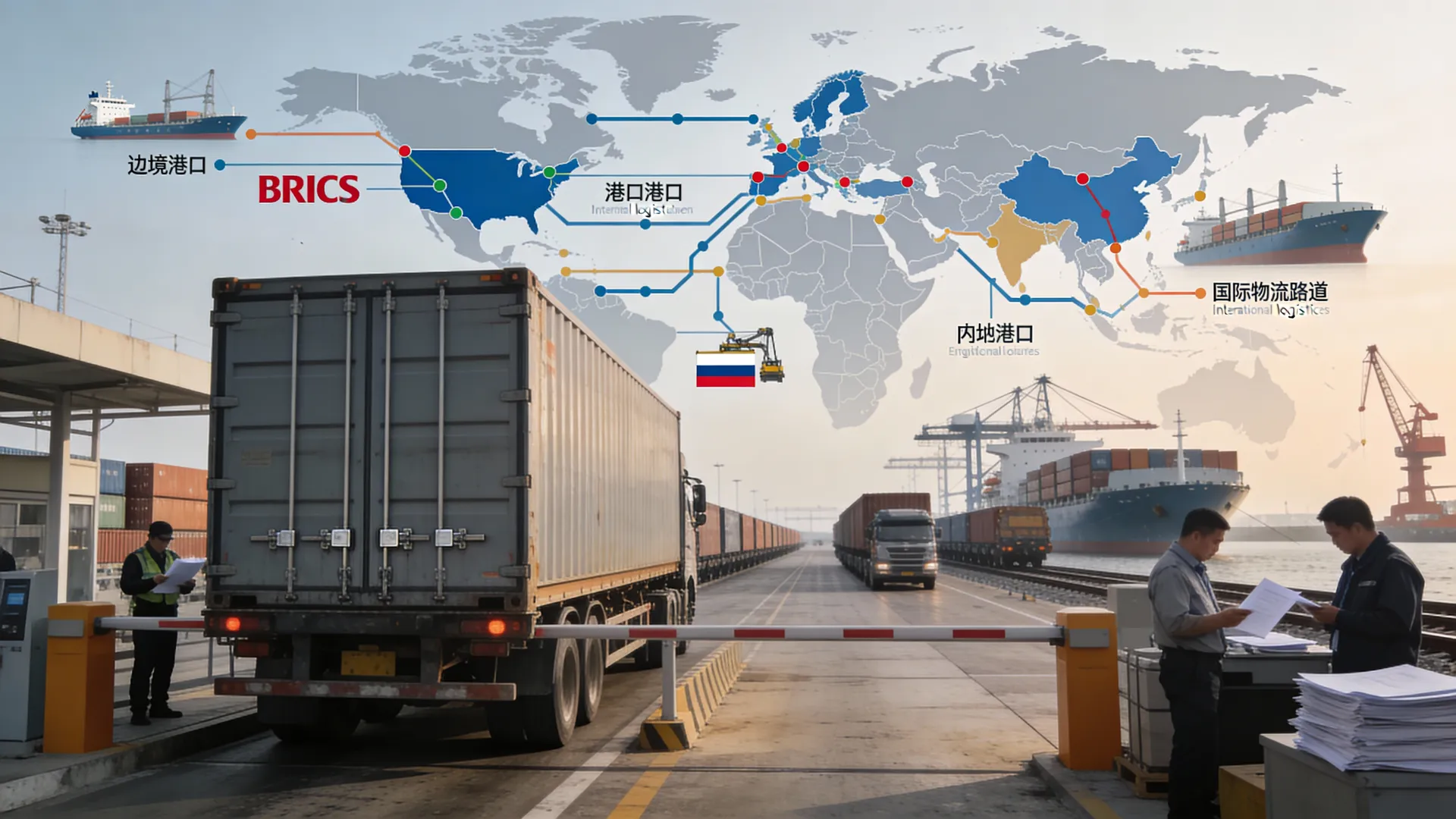
Starting from September 1, 2026, a new procedure for registration of shipments will come into force in Russia — the use of electronic waybills (ETrN) will become mandatory. This requirement is stipulated in Law No. 140-FZ of June 7, 2025 and applies to all participants in road transportation: senders, recipients, carriers and forwarders.
The transition to electronic documents is aimed at digitalizing logistics processes, increasing transparency of transportation and automating interaction with government systems.
Unlike paper invoices, ETrS are created digitally and signed by all parties to the process — the sender, the carrier and the recipient — using an electronic signature. All data on the movement of cargo and the progress of delivery are sent to the State Information System of Electronic Transportation Documents (GIS EPD). This simplifies control and makes the process transparent to the supervisory authorities, eliminating the need for participants in transportation to manually transfer documents.
If the company is not ready to switch to ETrN on time, it may face refusals from its partners. It is impossible to conclude a contract of carriage without a properly executed bill of lading, which means that transportation is illegal.
Preparing for innovations takes time. The company needs to select an operator from the register of the Ministry of Transport, conclude a contract, issue qualified electronic signatures and machine-readable powers of attorney (MHA) for employees, as well as undergo training and conduct trial flights.
Services such as ATI-Doki already offer registration of ETRN in a test mode. Their use will be free until the end of 2025. The platform provides integration tools, employee training, and support at all stages of implementation. This allows logistics companies to integrate ETrN into their business processes in advance.
The transition to electronic invoices is not only legally binding, but also technologically beneficial. It helps to minimize errors, speed up document flow and reduce the cost of processing paper forms.
Thus, 2025 is the last chance to prepare without haste. We should not expect an extension of the deadline: the pilot project has been underway for a long time, and the digital infrastructure is ready. Those who have not yet started implementation should hurry up so as not to be outside the legal field.