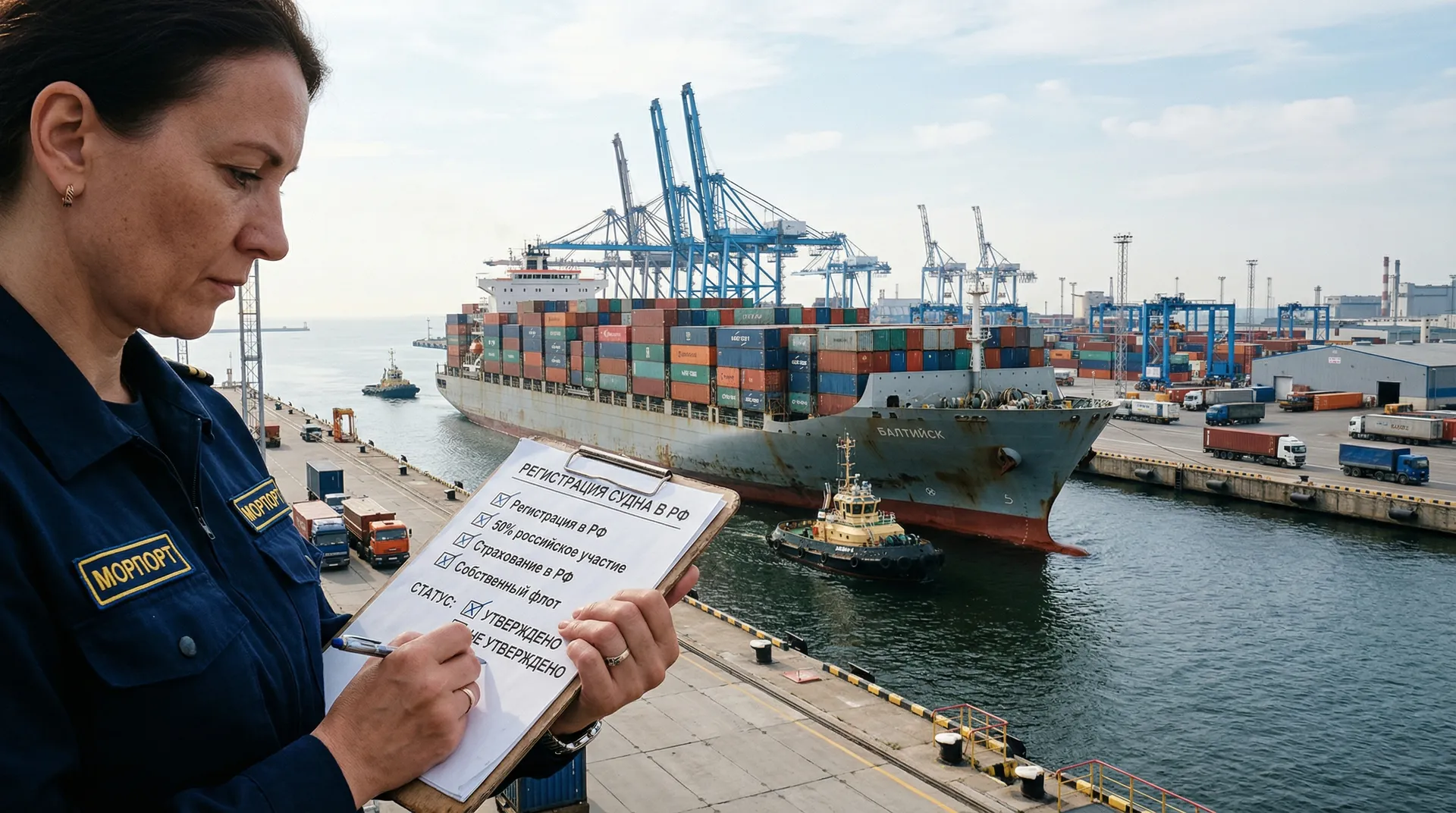
The Federal Antimonopoly Service issued orders to Wildberries and Ozon, demanding to eliminate the difference in conditions for Russian and foreign sellers. The regulator pointed out the need to set commissions at an economically reasonable level for both groups and to stop practices that create a bias in the competitive environment on the sites.
This story is important to sellers because it's about the basic mathematics of business. Commission is one of the key parameters of the unit economy, which directly affects the margin of each SKU. When conditions differ by the origin of the seller, Russian companies find themselves in a situation where it is more difficult for them to keep the price on the shelf and compete in categories with a high sensitivity of the buyer to the discount. In such niches, the difference in commission quickly turns into a difference in issuance, turnover, and the share of advertising expenses.
The FAS also separately noted the problem of practices of "investing in prices" of goods without the consent of entrepreneurs and demanded that the rules for obtaining consent be adjusted so that the decision was voluntary. The agency emphasizes that excessive fees create unfavorable business conditions, and interference in prices without proper coordination can infringe on the rights of sellers and the interests of consumers.
The deadline for the execution of the regulations is specified specifically — until April 3. If the requirements are not met, the FAS declares its readiness to apply antitrust measures.
What does this mean in practice?:
- For Russian sellers, there is a chance for more even competition conditions in categories where import sellers are actively dumping.
- For marketplaces, it is necessary to bring the commission policy and pricing mechanisms into a transparent mode, where the rules are the same for comparable groups of sellers.
- For buyers, it reduces the risk of "artificial" price distortions, when the cost is formed not by the quality of service and goods, but by different rules for different participants.
This news is especially sensitive against the background of parallel discussions on VAT on foreign goods from marketplaces: together, such steps fit into the general trend towards equalizing conditions for domestic business and cross-border supply. In the coming weeks, the market will look at two points: which commission parameters the platforms will offer as "economically reasonable", and how they will formalize the rules of price investments so that this does not turn into a hidden tool of pressure on independent sellers.