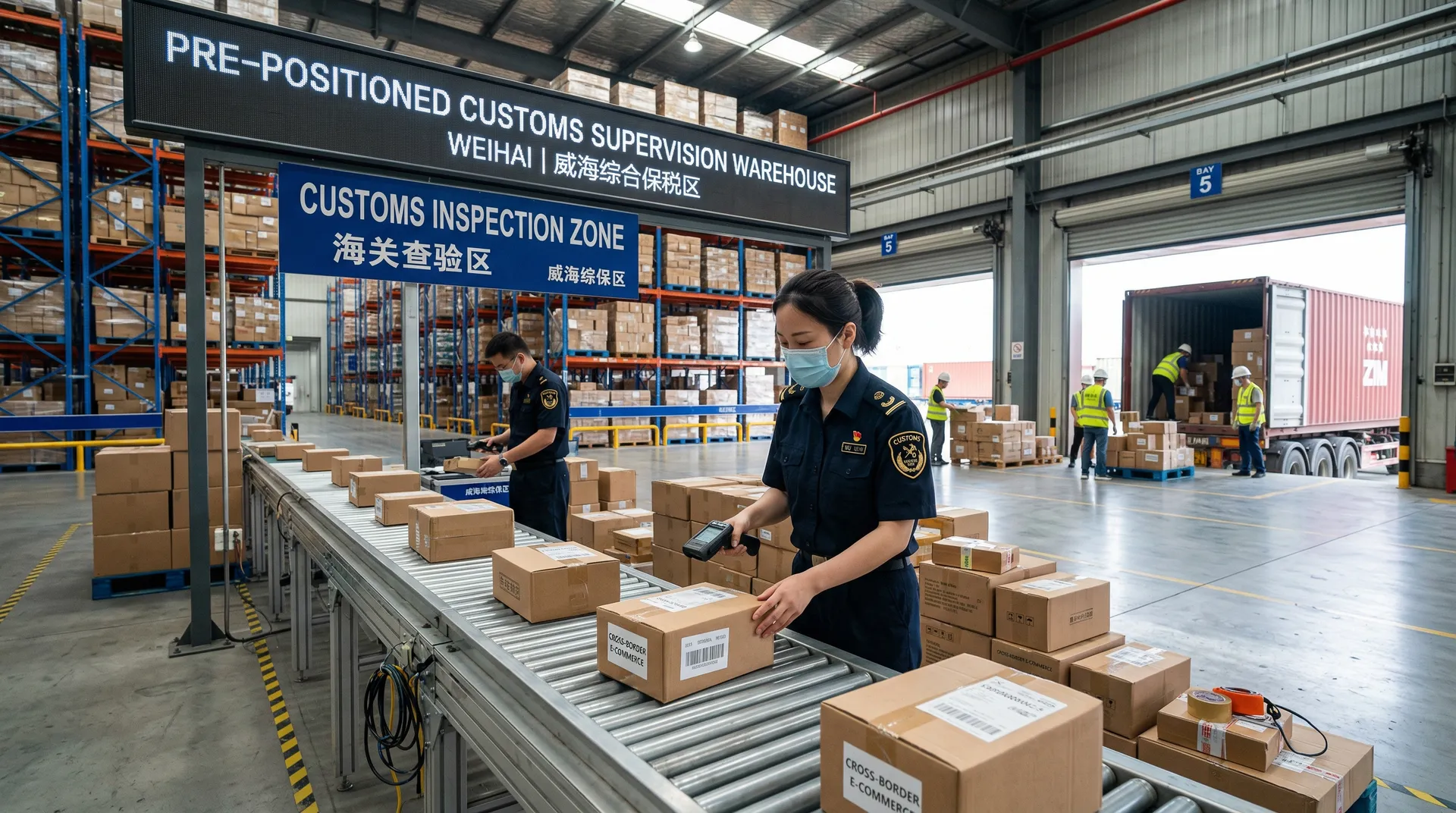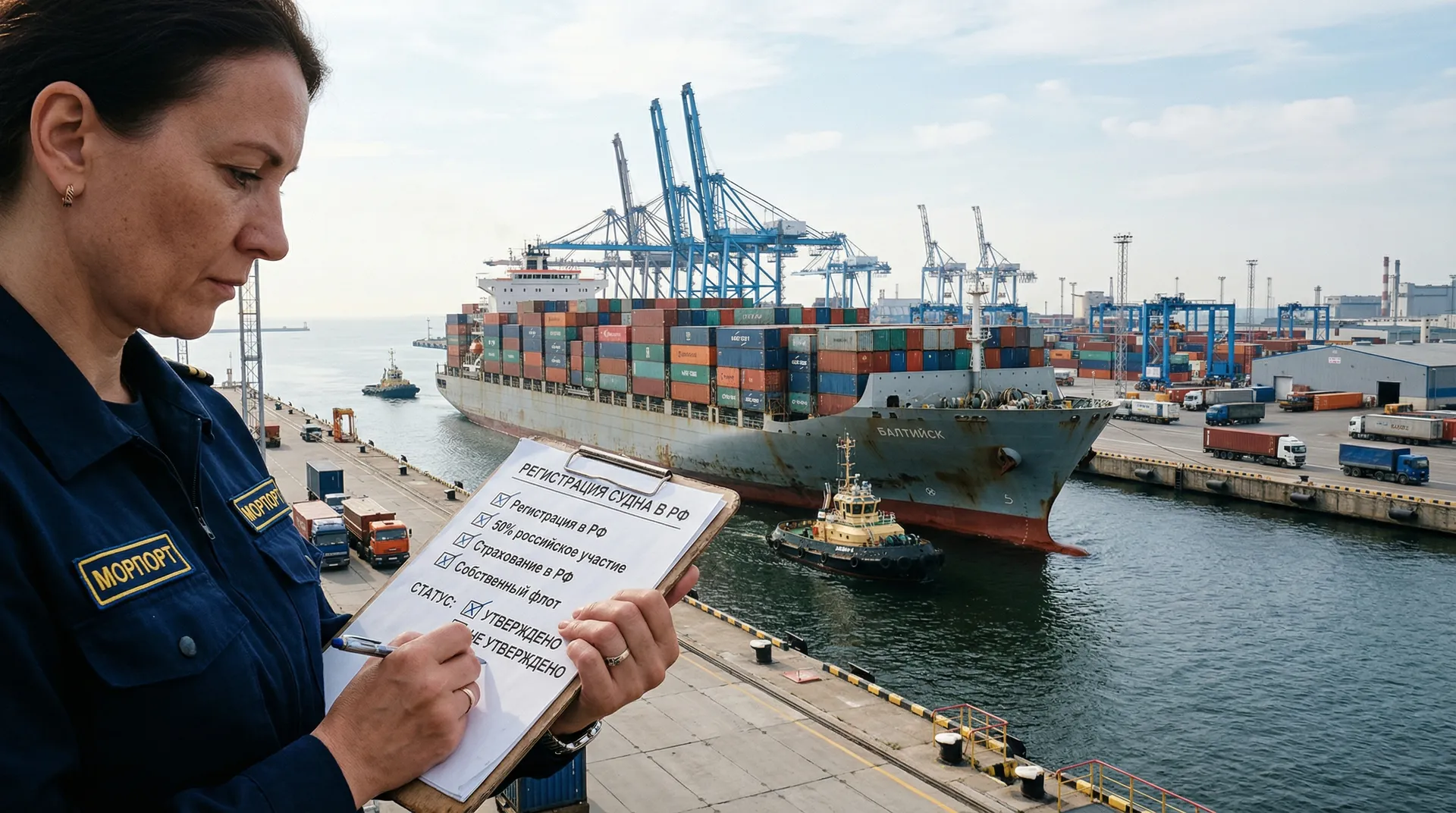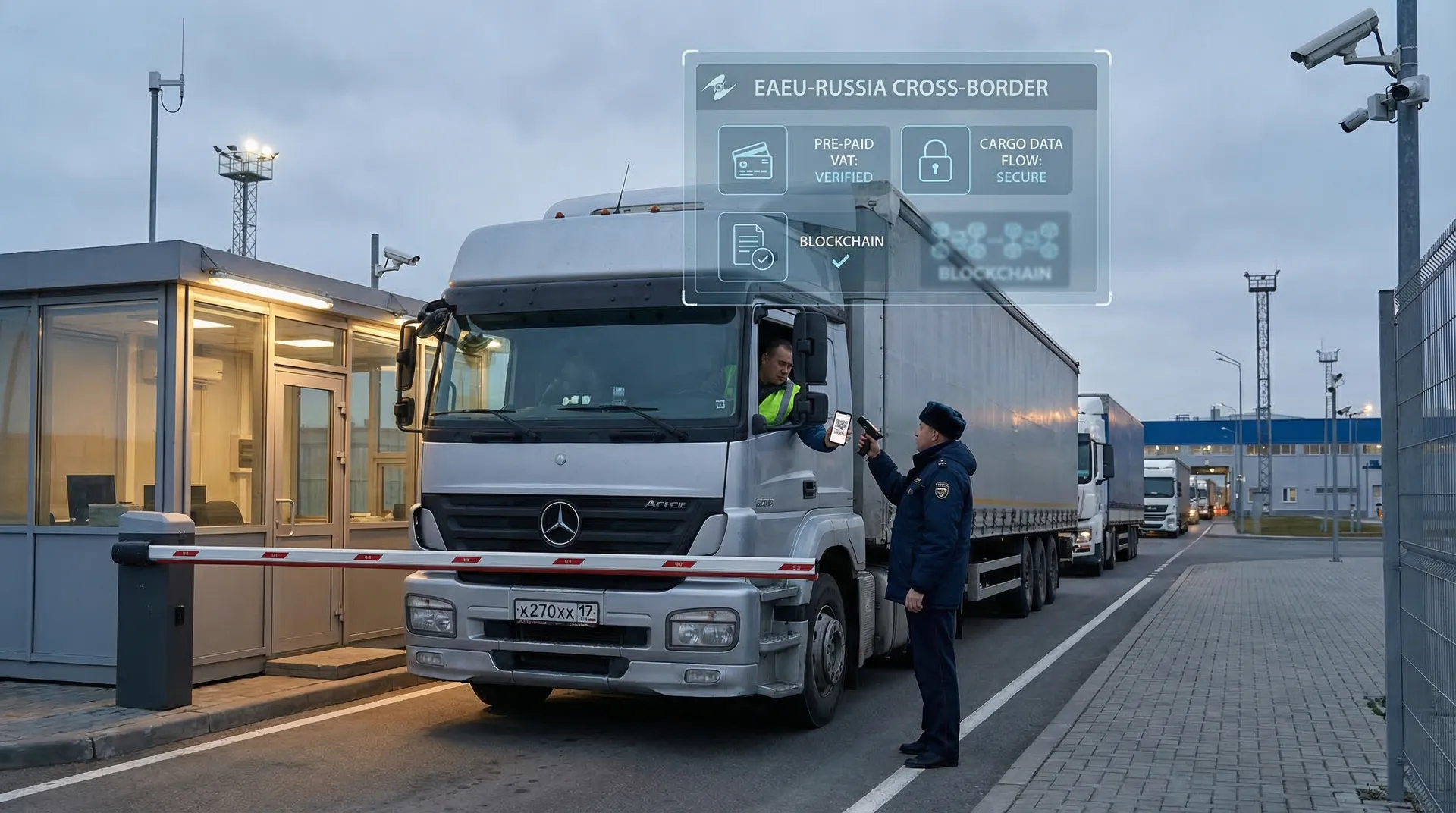
The government has set out to close one of the most painful gaps in cross-border online commerce: when a product arrives with a defect, and the seller is located outside of Russia and does not have a legal entity here, the buyer is effectively left without the usual protection tools. In this design, the marketplace today is responsible to a limited extent, mainly for the correctness of the information in the product profile.
The plan changes the role of the platform. By January 2028, a subsidiary liability mechanism should appear, which will allow claiming compensation for a dispute over the quality of goods through the site operator. This approach is widely used in law for situations where recovery from the main debtor is difficult and responsibility can be transferred to the controlling person or the guarantor. For e-commerce, this means that the marketplace becomes the “second circuit” of responsibility for cross-border transactions.
Several departments have been assigned to develop the mechanism.: Rospotrebnadzor, the Ministry of Economic Development and the Ministry of Industry and Trade. A report on the implementation of the order is expected by January 2028. Until specific regulations appear, the market will live in a preparatory period, where sites will begin to proactively rebuild processes, because financial risk in controversial categories will begin to be embedded in the rules for the placement of goods.
The practical effect for foreign economic activity and logistics will manifest itself at the junction of three processes. The first is the selection of sellers and categories: the requirements for documents, proof of origin, batch identification and compliance with safety regulations will be strengthened. The second is supply chain control: the sites will need to understand more precisely where the batch was formed, who the actual supplier is, and which import channel is used. The third is dealing with claims: the role of photofixation of equipment, dates, serial numbers and confirmations of the transfer of the order to the buyer will increase.
This is a signal for sellers to prepare an evidence base in advance and work with quality “at the entrance”, because the disputed product now attracts more participants. For buyers, this potentially increases the chances of a quick refund. For the sites, this accelerates the transition to a more stringent compliance model for a cross-border assortment.