Ozon starts the spring season with a comprehensive revision of the advertising and card architecture. On March 2, 2026, changes in the promotion regulations will come into force, which prepare the site for the expansion of the External Promotion tool. The focus is on scaling posts and short video formats.
For a business, it's a matter of income. The promotion rules define acceptable advertising scenarios, content requirements, and placement conditions. When the rules are updated, the risk profile of advertising launches also changes. Mechanics that previously worked stably now require more careful tuning and recording of results.
The expansion of external promotion enhances the role of content strategy. Short videos, unpacking, and demonstrations of the solution to a consumer problem become part of the advertising funnel. At the same time, the key success factor is the repeatability of the script. Without fixing the test parameters, the seller loses the opportunity to scale a successful model.
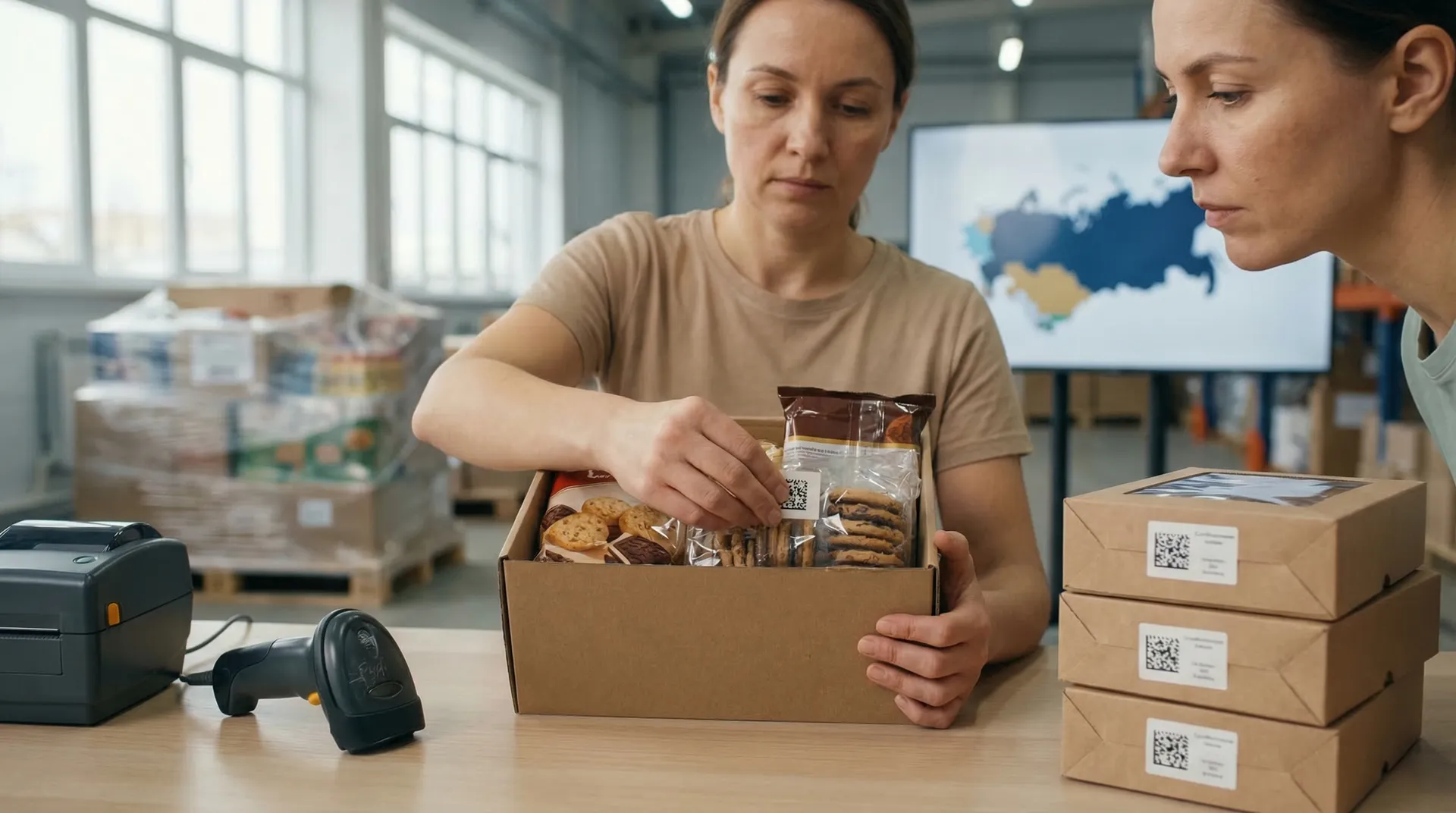
At the same time, the site strengthens the discipline of the cards. The requirement to specify HS codes becomes an element of system control. For sellers, this is a step towards synchronizing the card with the documentary part of the business. Required fields that are not filled in increase the risk of restrictions and additional checks. Practice shows that the correctness of the data in the card directly affects the stability of operations and the speed of document processing.
A separate signal to the market is the revision of the minimum bid for native banners from March 10, 2026. The new threshold is 200 rubles per 1,000 impressions. This change affects the economics of the format. For low-margin products, banner ads become more sensitive to conversion. In order for the format to pay off, the seller will need a more accurate calculation: impressions, clicks, orders, and total profit.
An increase in the entry threshold means a redistribution of budgets. It is logical to save banners for SKUs with high margins or large average receipts. In other cases, the budget can be more effectively directed to managed channels with payment for the result.
In 2026, sales management at Ozon will switch to data discipline mode. The promotion regulations, the mandatory HS codes and the CPM growth form a single model: advertising, logistics and documentation work as a connected system. A seller who records tests, monitors cards, and counts margins gains resilience in a changing advertising economy.