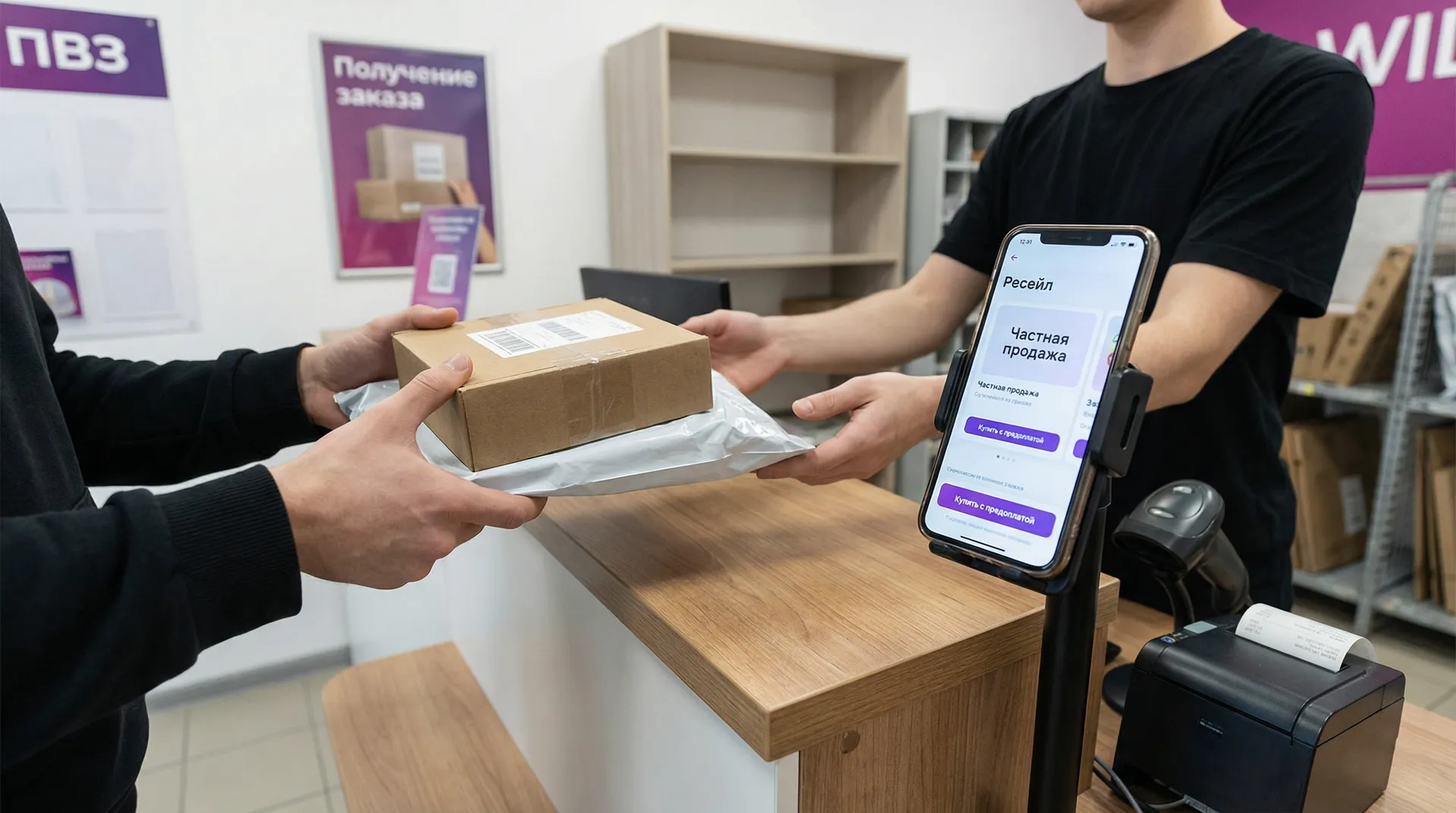
RWB (the united Wildberries & Russ company) has expanded its B2B business: legal entities and sole proprietors in Russia have the opportunity to place pickup orders directly from sellers' offline stores using the Click&Collect model. The service operates within the framework of the Wildberries for Business platform and actually adds another receipt scenario to business customers - without a special payment plan and without courier delivery of the marketplace.
From a logistical point of view, this is an important move: the marketplace ceases to be just a "deliverer" and becomes an orchestrator of various ways to fulfill an order. For corporate clients, pickup is about manageability: you can pick up goods at the right time, reduce the risk of disruption of the "acceptance window" in the warehouse, and in certain categories, you can quickly close the need (consumables, tools, small equipment, urgent purchases).
The mechanics are simple and revealing: to buy as a legal entity or sole proprietor, the user switches the profile to the "Order as a business" mode — after that, goods with pickup become available (including on the B2B showcase launched in the fall of 2025). B2B pickup only works on prepayment: a representative of the company arrives at the seller's point of sale, calls the order number and, if necessary, confirms receipt with an additional code.
Why is prepayment essential? In B2B, any "no-show/the refusal" hits the offline seller harder than in retail: the product could have been reserved, removed from the shelf, and documents prepared. Prepayment reduces the proportion of empty transactions and makes Click&Collect viable to scale.
It is also important that Wildberries gradually "stitches" B2B with a set of execution models: in addition to Click&Collect, Wildberries for Business offers FBW (WB Warehouse) and FBS (Marketplace) sales schemes, as well as options for delivering B2B orders to the warehouse or "to the door" (including DBS by the seller). This already looks like a constructor for different purchasing scenarios: in some cases, centralized delivery is more profitable for businesses, in others, pick up yourself near the object.
The key effect for sellers is the monetization of their own offline infrastructure without building a separate B2B logistics. This is directly reflected in the comment of the head of the platform.:
"We continue to develop B2B business on the platform and expand the available logistics scenarios for businesses. The launch of the pickup service on the B2B platform is another step towards a more flexible sales ecosystem, where business customers can choose a convenient format for receiving goods, and sellers can more effectively use their own offline infrastructure and expand channels of work with corporate clients," commented RVB Dina, head of the Wildberries for Business B2B platform. Bilyalova.
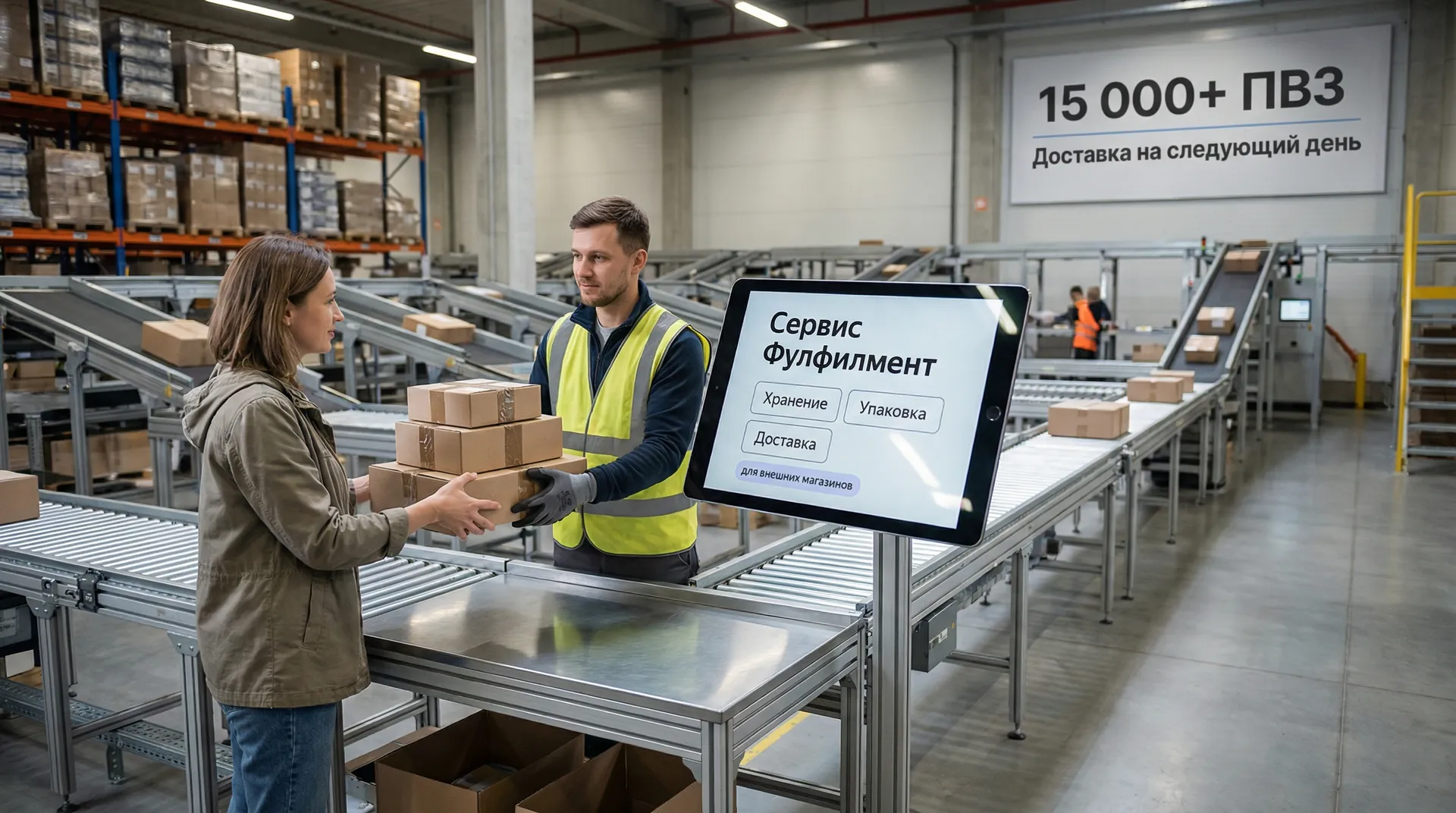
There is also a consequence for foreign economic activity and contract logistics: the more part of B2B orders will be closed by pickup from the seller, the more the role of regional stocks and local fulfillment will increase. Importers and distributors will have to plan inventory allocation more precisely (which cities and points to ship goods to), and 3PL operators will have to offer offline storefront services: replenishment, inventory, labeling, and cross-docking. The winners will be those chains where data on balances and reserves are synchronized, otherwise Click&Collect will quickly run into cancellations and resorting.