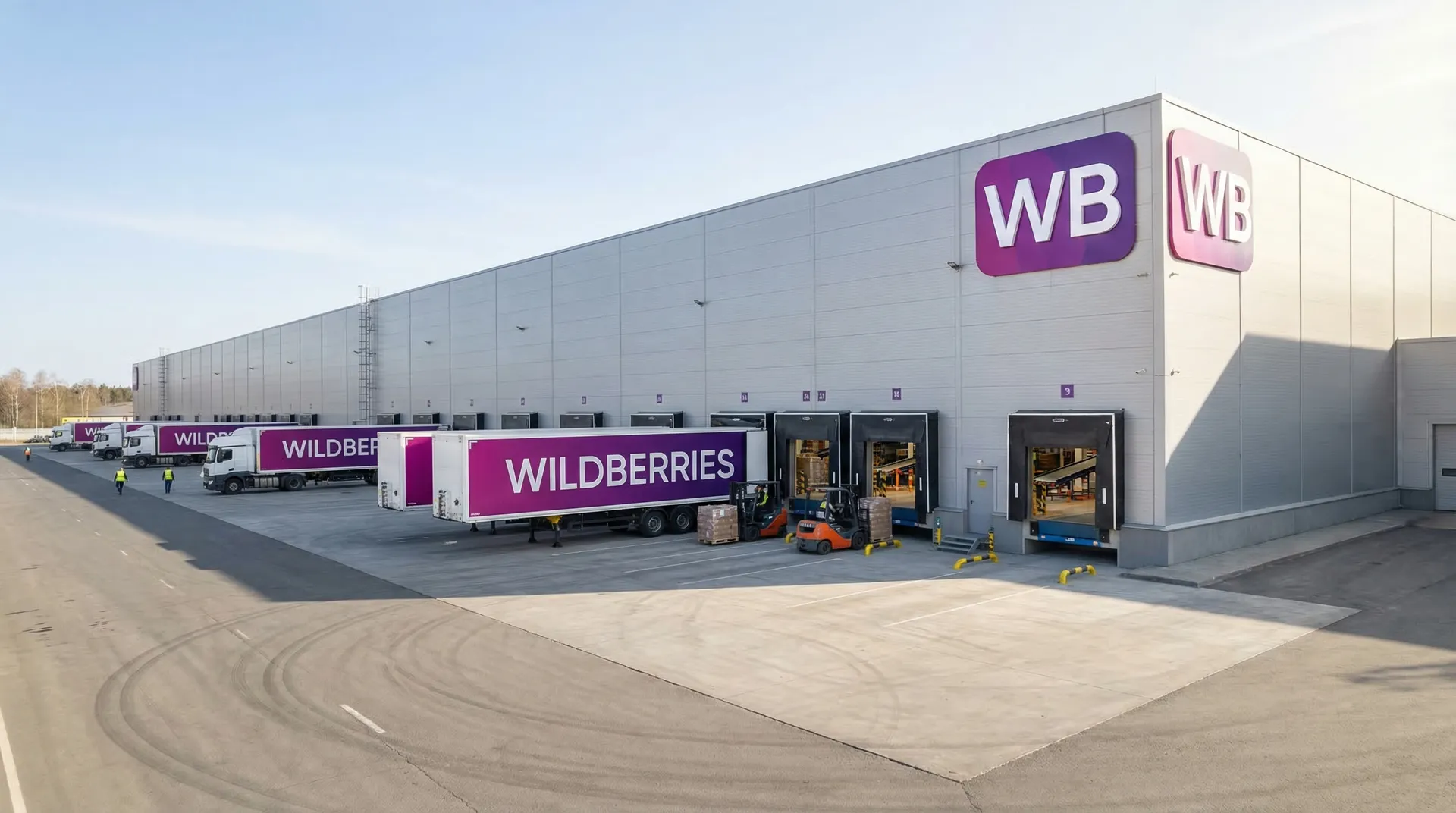
Wildberries enhances sellers' control over advertising and logistics. This week has become a turning point in several areas at once — from betting in promotion to balance management and automation of communication with customers.
The main focus is on recommendations on rates in query clusters and the expansion of the CPC model to any subcategory. This is a step towards a more accurate advertising economy. Now the seller sees a benchmark for the bid in a specific segment of search queries and can manage the budget consciously, rather than relying on the "average temperature" in the niche.
When pay-per-click becomes more widely available, the logic of budget allocation changes. It becomes possible to compare clusters by actual efficiency.: bid, clicks, orders, share of advertising expenses, and margin. Advertising management is turning into system analytics.
Practice shows that the key mistake is to perceive the recommended rate as mandatory. This is the benchmark for the test. The working strategy is built through short cycles of checking and fixing data. The minimum model is the "bid → clicks → orders → margin" matrix. Without it, decisions are made intuitively.
The second significant news is the opening of the "Movement of goods" widget to all sellers in the "Shipments by Region" report. This tool allows you to see the actual distribution of demand and flows. For the seller, this is direct turnover control. Often, a drop in sales is due to the fact that the product is not in demand in the region or is overly concentrated in a warehouse with low dynamics.
Now it is possible to quickly redistribute supplies: increase the volume at points with active movement and reduce where the balances are hanging. This reduces the freezing of working capital and increases the turnover rate of SKU.
The third area is auto—responses to reviews using AI. For growing stores, the feedback flow becomes a daily operational burden. An automated draft allows you to speed up the processing of reviews and maintain a unified tone of communication. At the same time, negative messages require manual verification and monitoring of promises.
Additionally, Wildberries is developing a pickup service from offline stores for legal entities and sole proprietors. For the B2B segment, it is a tool to increase the manageability of delivery and optimize the logistical load. In certain niches, pickup can become a competitive advantage and a retention factor for corporate clients.
The updates of the week form a new model of sales management on the marketplace: advertising, logistics and communication are combined into a single "control panel" of the seller. In 2026, the winners are those who work with numbers rather than intuition.