Argentina's refusal to join the BRICS association will lead to annual losses of about 1% of GDP, experts from the BRICS National Committee (CoNaB) have estimated. In their opinion, the country is losing not only investment opportunities, but also the chance to strengthen its position in world trade.
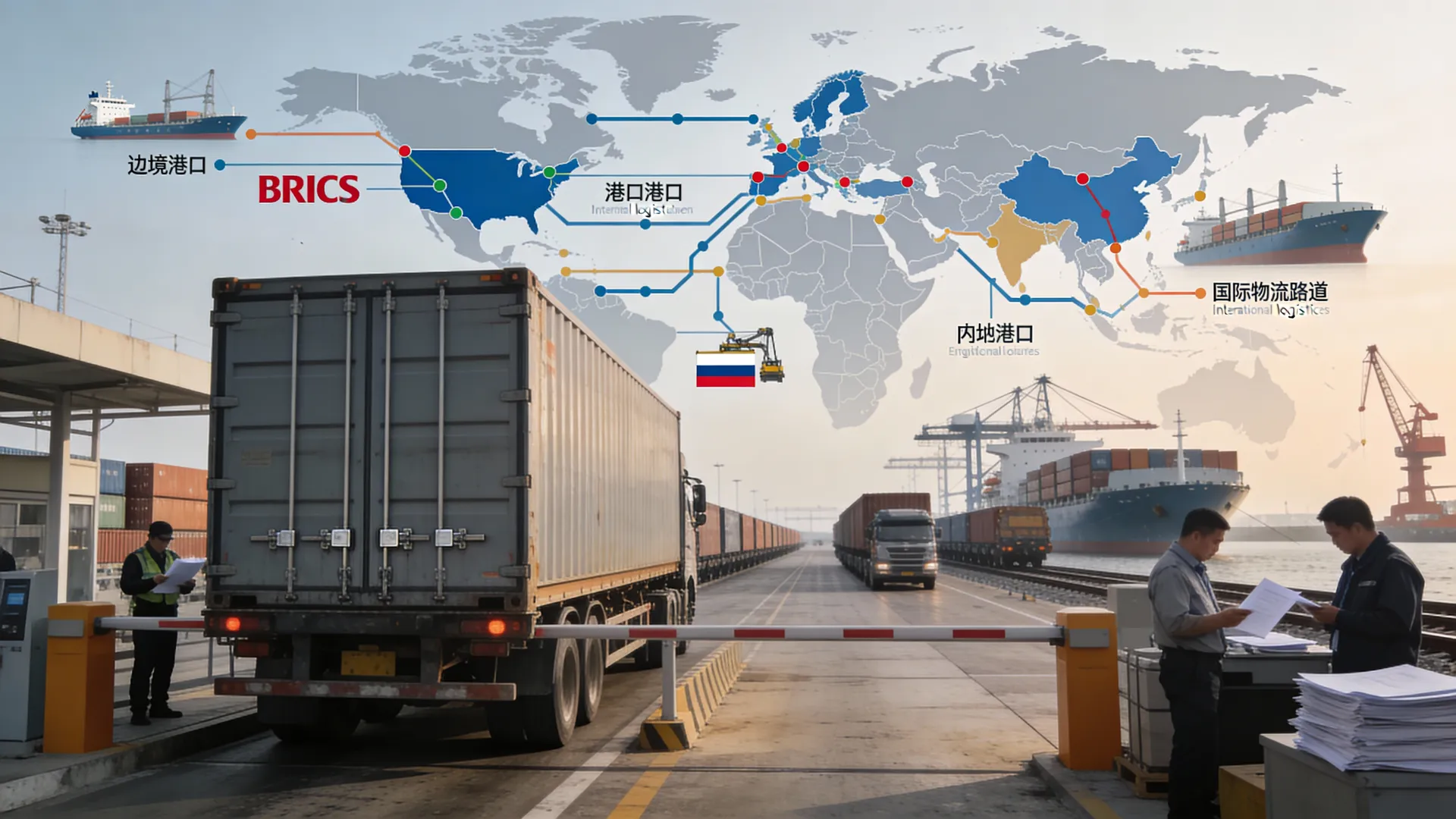
According to CoNaB President Hernando Kleimans and Secretary Julio Fernandez Baraibar, before the decision to withdraw from the accession process, Argentina's trade volume with the BRICS countries exceeded $30 billion per year. China was the country's second largest trading partner after Brazil, and participation in the merger could double this figure within ten years.
Experts recalled that along with the refusal of membership, Argentina lost access to loans from the New Development Bank (NDB), which was considering financing in the amount of $ 1 billion for renewable energy projects.
"The cumulative impact, including lower investment volumes, reduced lending and lost trade benefits, ranges from 0.5% to 1.5% of annual GDP. For a country with a GDP of about $630 billion, this means losses of about $6.3 billion annually," CoNaB said.
Experts stressed that Argentina's withdrawal from the accession negotiations was a strategic rejection of an entire ecosystem of opportunities. President Javier Miley, focusing on the United States and Israel, refused to cooperate with one of the most dynamically developing economic alliances.
According to analysts, the decision may weaken Argentina's position against the background of the growing influence of the BRICS and the increasing role of the countries of the Global South in the global economy.