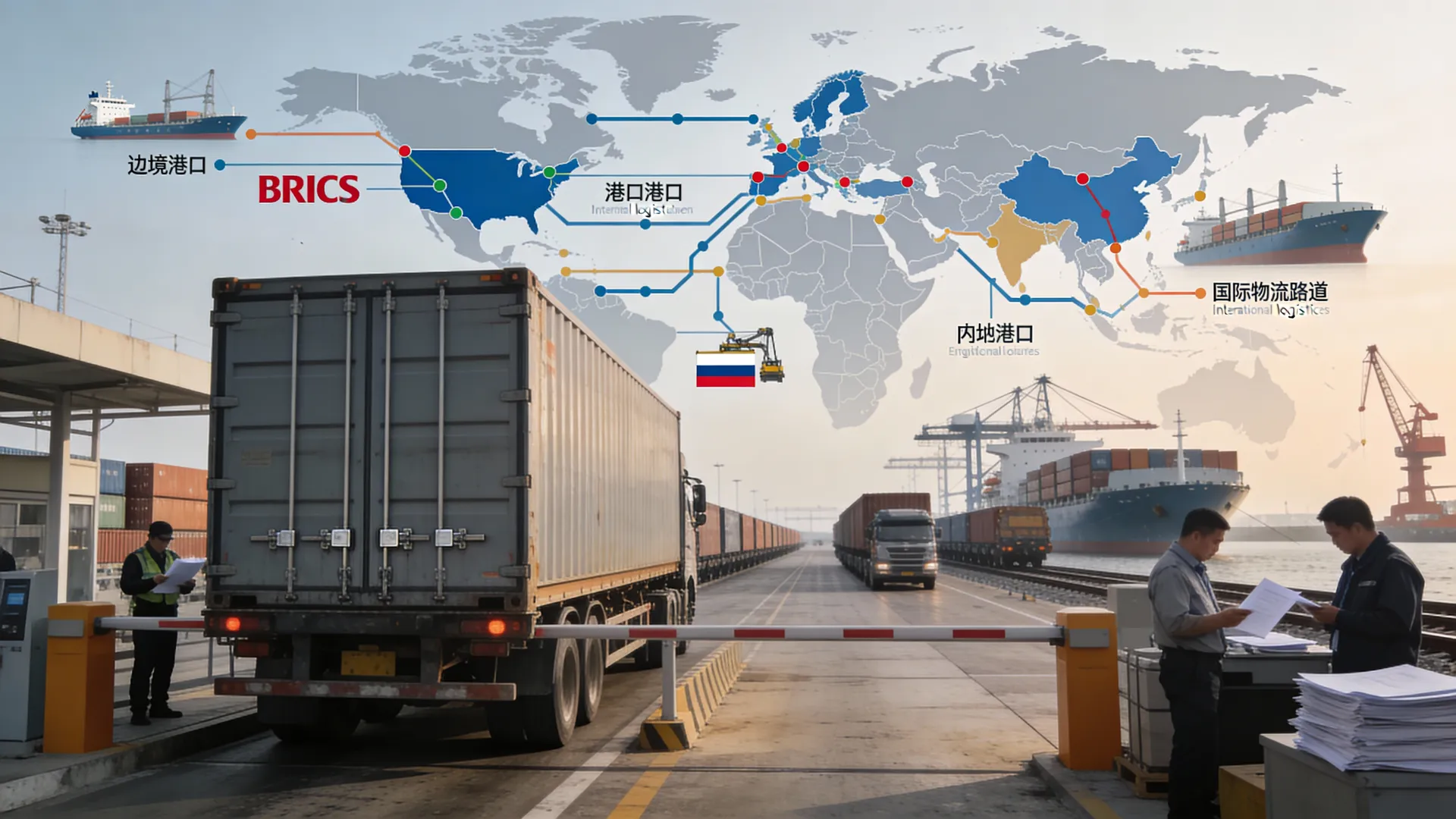
Madagascar has enlisted the support of South Africa for the status of a BRICS partner — the application may be considered at the summit in India.

The key quote from the President of Madagascar is the semantic core of the whole story, because it captures the political consent of South Africa to promote the application.:
"The President of South Africa accepted our request to include Madagascar among the BRICS partner countries," Randrianirina said upon returning home.
Why this is important for BRICS and Africa. The official resources of the association emphasize that "partners" can participate in expanded cooperation and projects, but they do not receive the right to vote as full members. At the same time, the list of partners has already become a separate "club around the club" — according to official information, it includes Belarus, Bolivia, Cuba, Kazakhstan, Malaysia, Nigeria, Thailand, Uganda and Uzbekistan (and the set may expand).
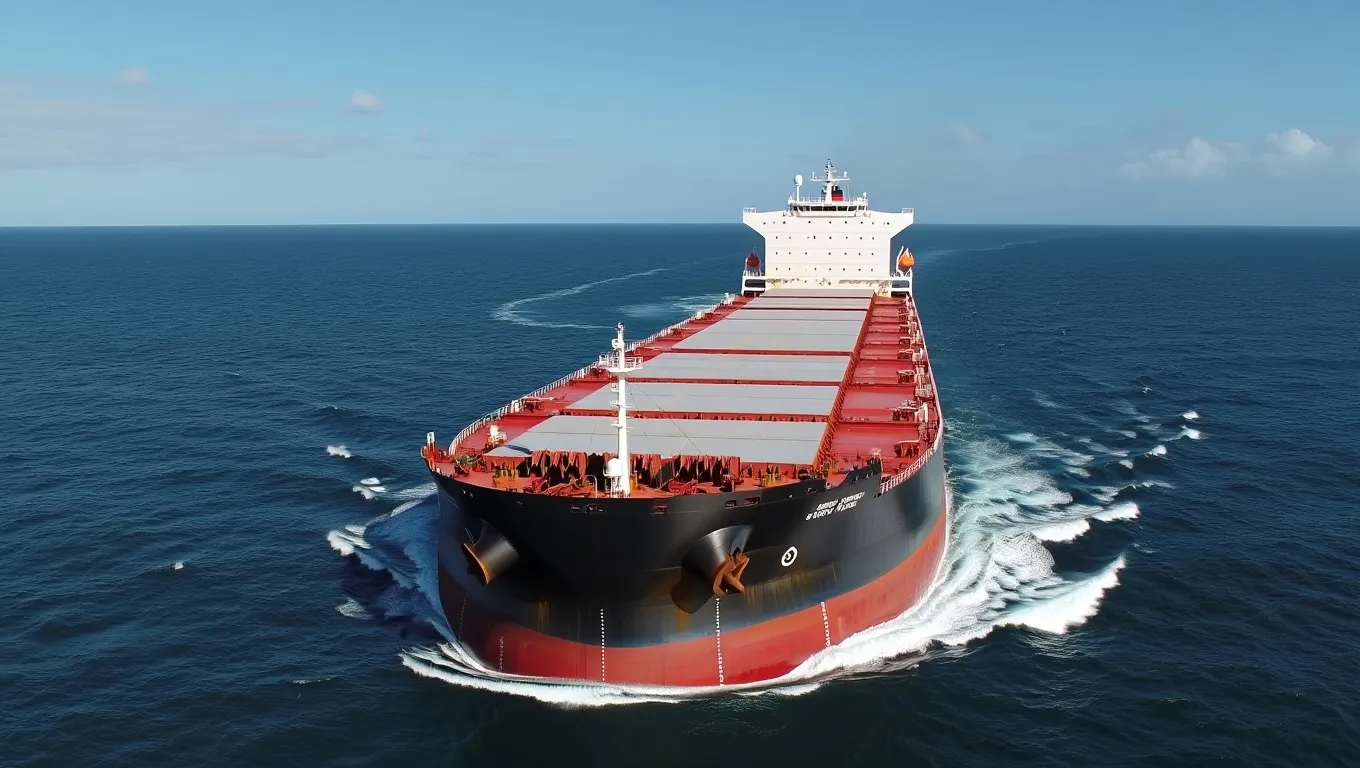
Now, the expert logic of Madagascar. The geography of an island in the Indian Ocean is not an abstraction: for trade routes, it is a zone where the East Africa—Asia—Persian Gulf lines intersect. The mainstay of the country's foreign trade remains the maritime infrastructure: the port of Toamasina is called the main "gateway" of Madagascar's international trade. The commodity structure includes export positions that are sensitive to global demand and logistics: nickel, vanilla, cloves, and cobalt.
Hence the practical calculation: partnership with BRICS is about access to a denser network of projects (infrastructure, logistics, energy, calculations), as well as about increasing the negotiating weight. The official explanations on the partnership format directly indicate the possibility of in-depth cooperation, including interaction along project lines. For Madagascar, this may mean faster solutions in the "bottlenecks" of foreign economic activity: port facilities, domestic delivery to ports, insurance of supplies, as well as the predictability of payments in settlements with large markets.
But there is a downside: the path is not fast. To become a partner, a country needs to submit an application and convince all participants that it is useful to the bloc and meets expectations for stability and potential — otherwise, the support of one participant will remain a gesture of goodwill. Therefore, the immediate intrigue is not "whether Madagascar will receive status", but "how convincingly it will formulate its role": a logistics hub of the Indian Ocean, a supplier of raw materials for new industries or a platform for joint infrastructure projects.