The meaningful conversation is important not only for the political "agenda", but also for the fact that South Africa remains one of the key supporting countries for Russia in the global South, both within the framework of BRICS and within the framework of the G20. According to reports, the leaders discussed the international agenda, BRICS and G20 were mentioned separately, as well as Pretoria's position in support of efforts to resolve the conflict over Ukraine.
For foreign economic activity and logistics, the "meaning" of such contacts usually lies in practical things that rarely sound in the headlines.:
- settlement and banking rules for foreign trade (when countries are coordinated within the framework of BRICS, it is almost always about reducing transaction friction and increasing the share of settlements in national currencies);
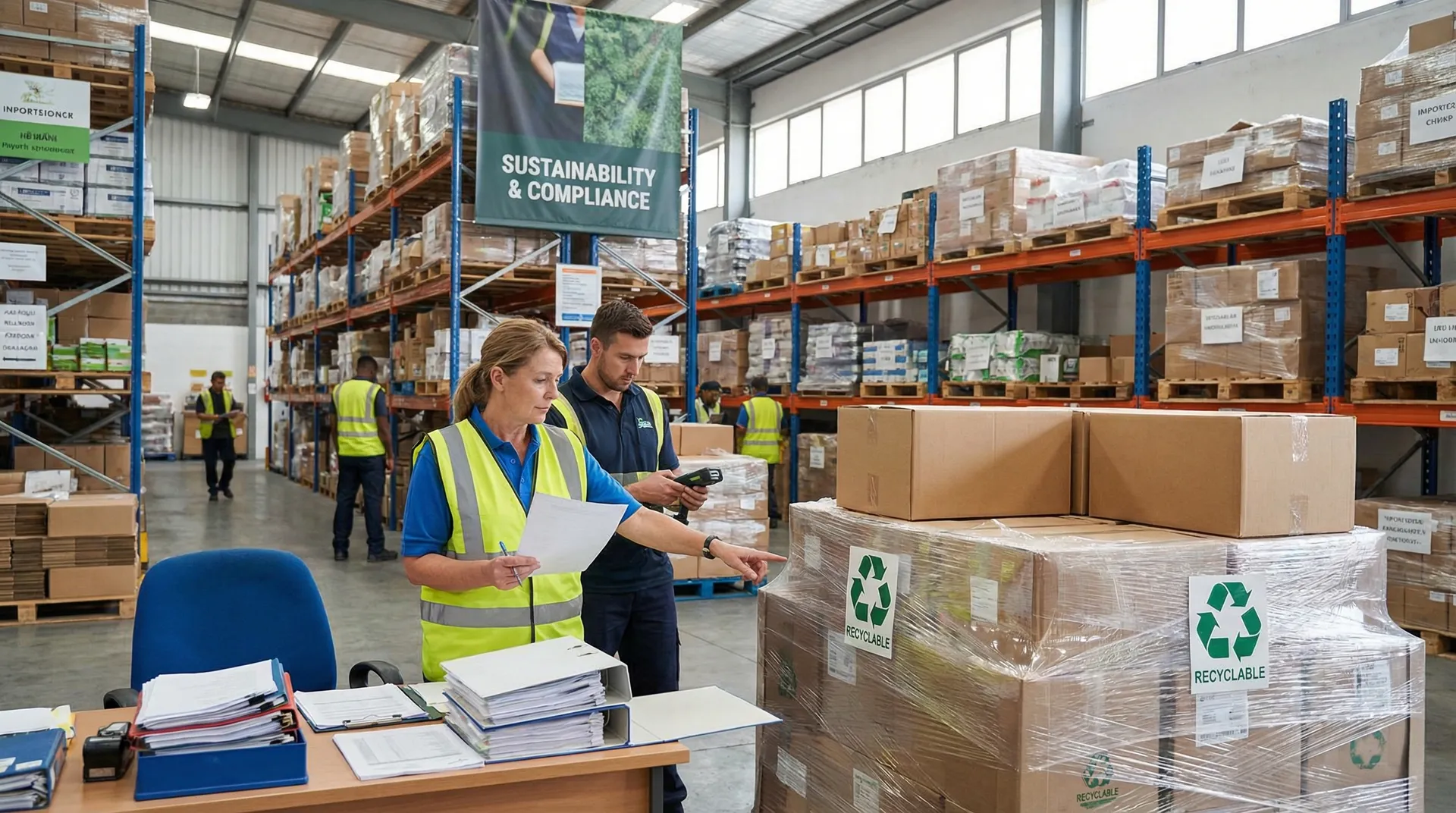
- market access and access regimes (sanitary and technical barriers, certification requirements, inspections, quotas);
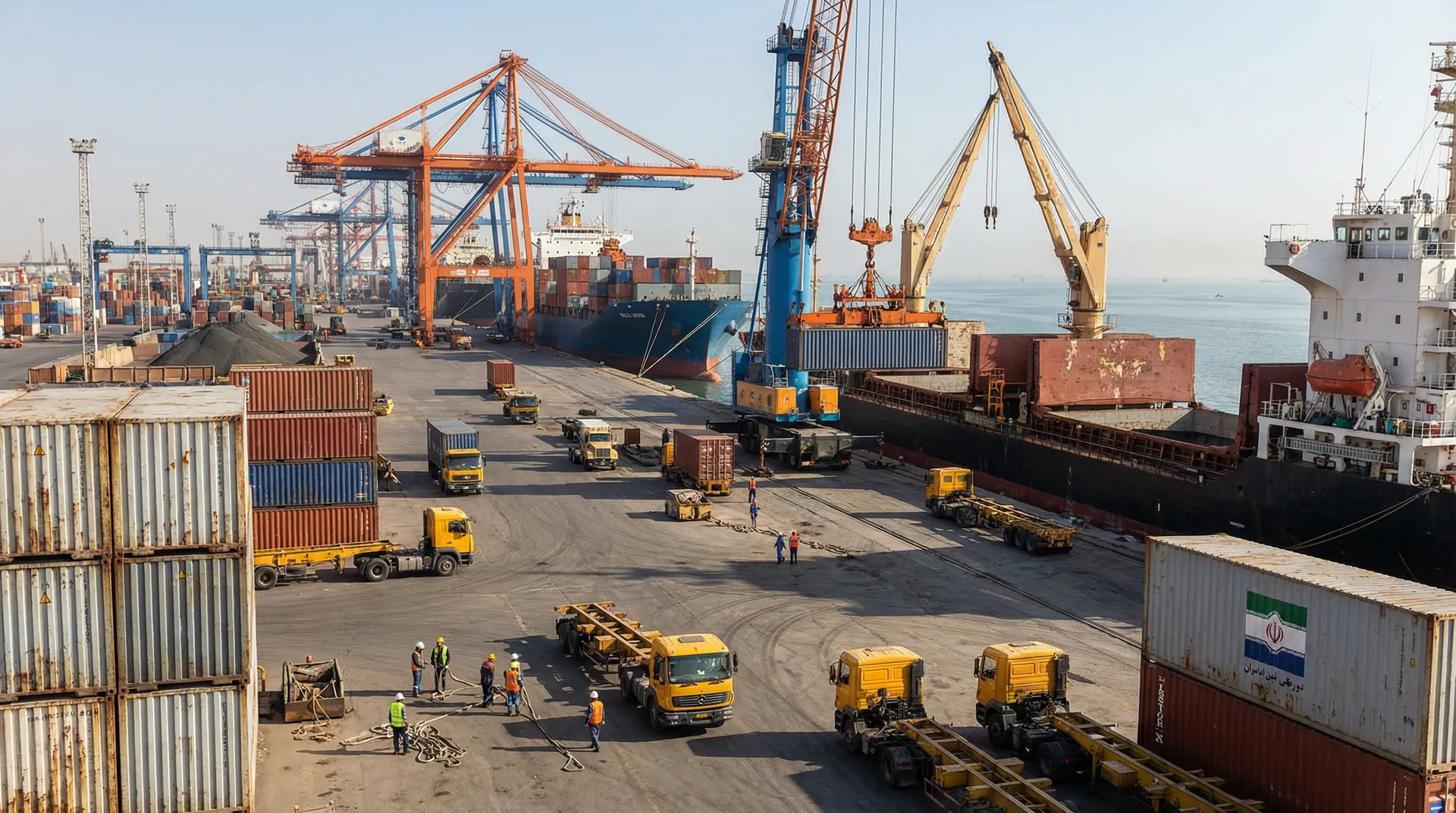
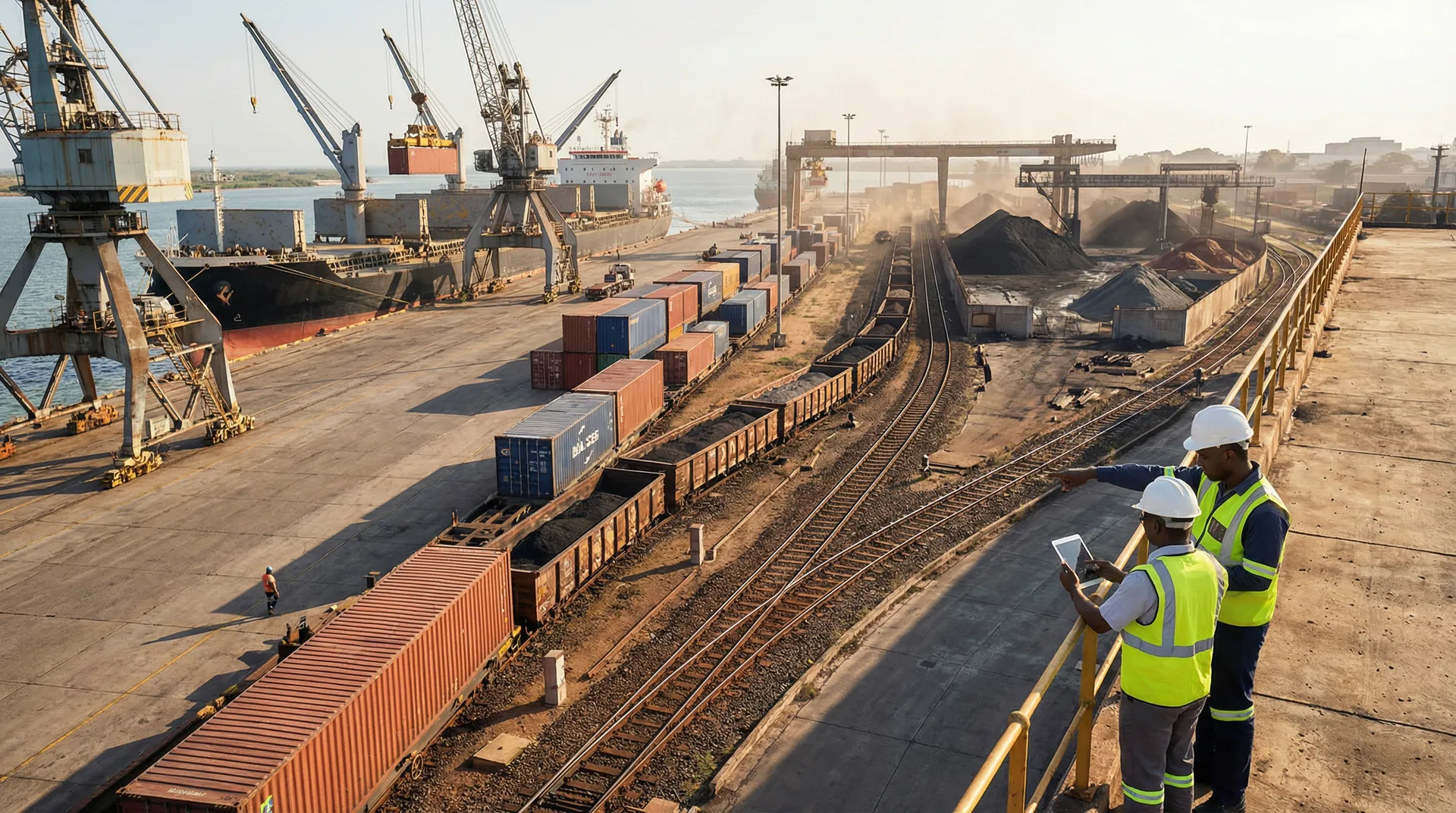
- route sustainability (for Russia, South Africa is the South African ports and the "entrance" to SADC logistics, for South Africa, Russia is a major supplier of fertilizers/raw materials and a potential market for agro and industrial products).
A separate signal is the BRICS + G20 bundle in the wording. Today, BRICS for business is primarily a "platform for assembling" alternative economic instruments and cooperation between developing economies. The G20 is another level: the alignment of approaches in global financial architecture, trade, and supply chain sustainability. For companies, this means that diplomatic contacts can gradually turn into more pragmatic work on the “transaction infrastructure”: from payments and insurance to simplification of procedures and standardization of requirements.
Another sensitive block that surfaced in the reports of the conversation is the topic of the return of South African citizens involved in hostilities on the side of the Russian forces. For the humanitarian part, this is a separate story, but for the business environment it is a marker: Pretoria conducts a dialogue in such a way as to preserve space for cooperation and at the same time resolve internally resonant issues.
The practical conclusion for participants in foreign trade is that such contacts are not "immediate decisions on contracts", but an indicator that the political channel between the countries is working. And when the channel is working, it is easier to promote applied things: business missions, interdepartmental agreements, coordination of product access conditions and support for large infrastructure projects. For both Russia and South Africa, this logic is particularly relevant against the background of the restructuring of global supply chains and the search for more predictable partnerships.