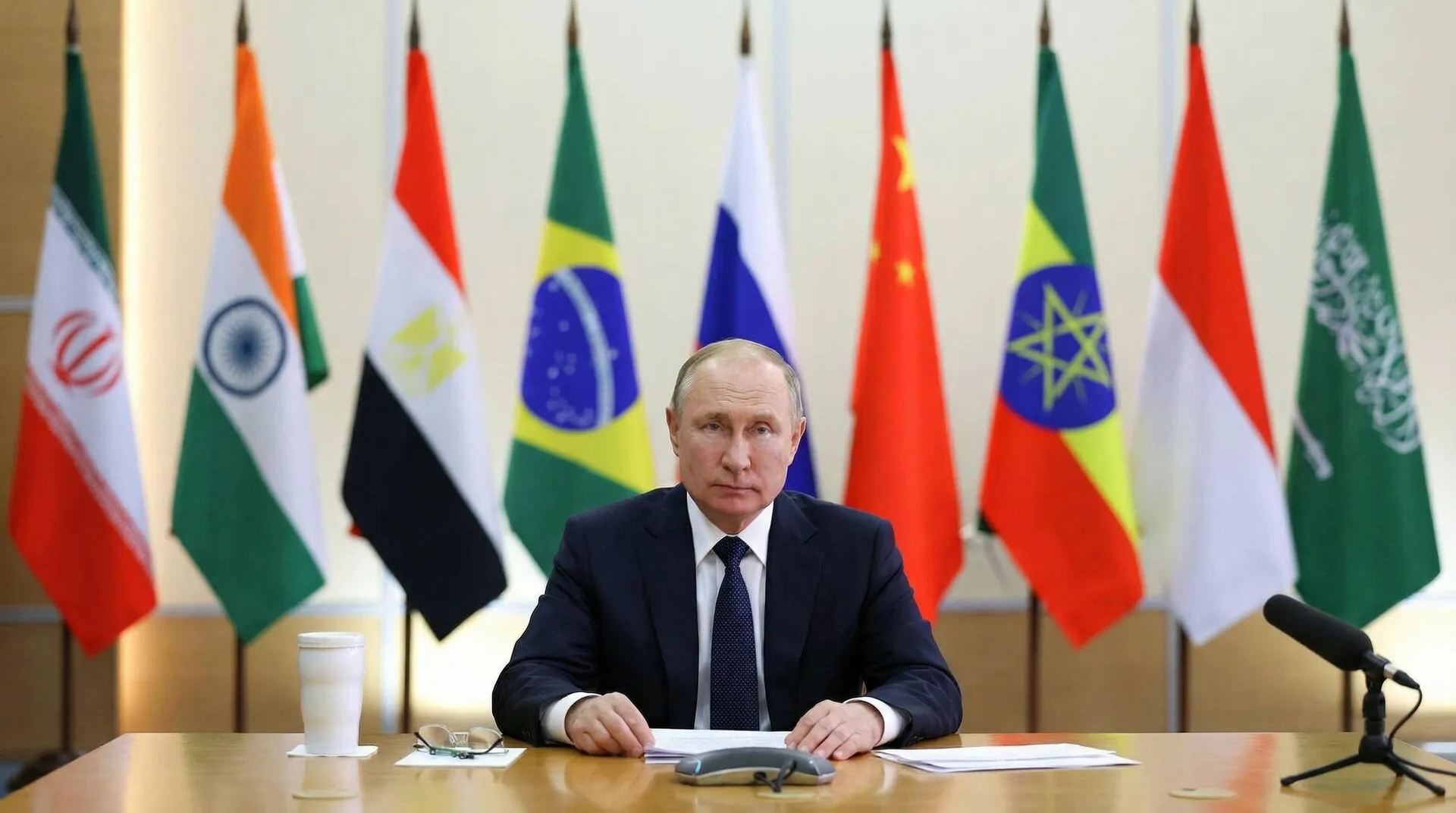
Russia is formalizing an "assembly point" for business to work with the BRICS agenda: by presidential decree, the National Committee for Business Cooperation within the framework of the association was established. Maxim Oreshkin, Deputy Head of the Presidential Administration, is appointed Chairman; he has two months to approve the composition. The document is valid from the date of signing.
The key legal marker is a direct order to create a structure:
"To form a National Committee for Business Cooperation within the framework of the BRICS association," the document says.
From a practical point of view, the committee is not just another signboard, but a mechanism that should link the interests of companies and the state in those places where foreign economic activity usually has the most friction: market access, logistics corridors, mutual recognition of procedures, investment protection and predictability of rules. In the documentary logic, the goal is formulated as ensuring effective interaction between the business community and interested federal agencies working on multilateral and bilateral cooperation within the framework of the BRICS.
Why is this important specifically for foreign economic activity and freight transportation:
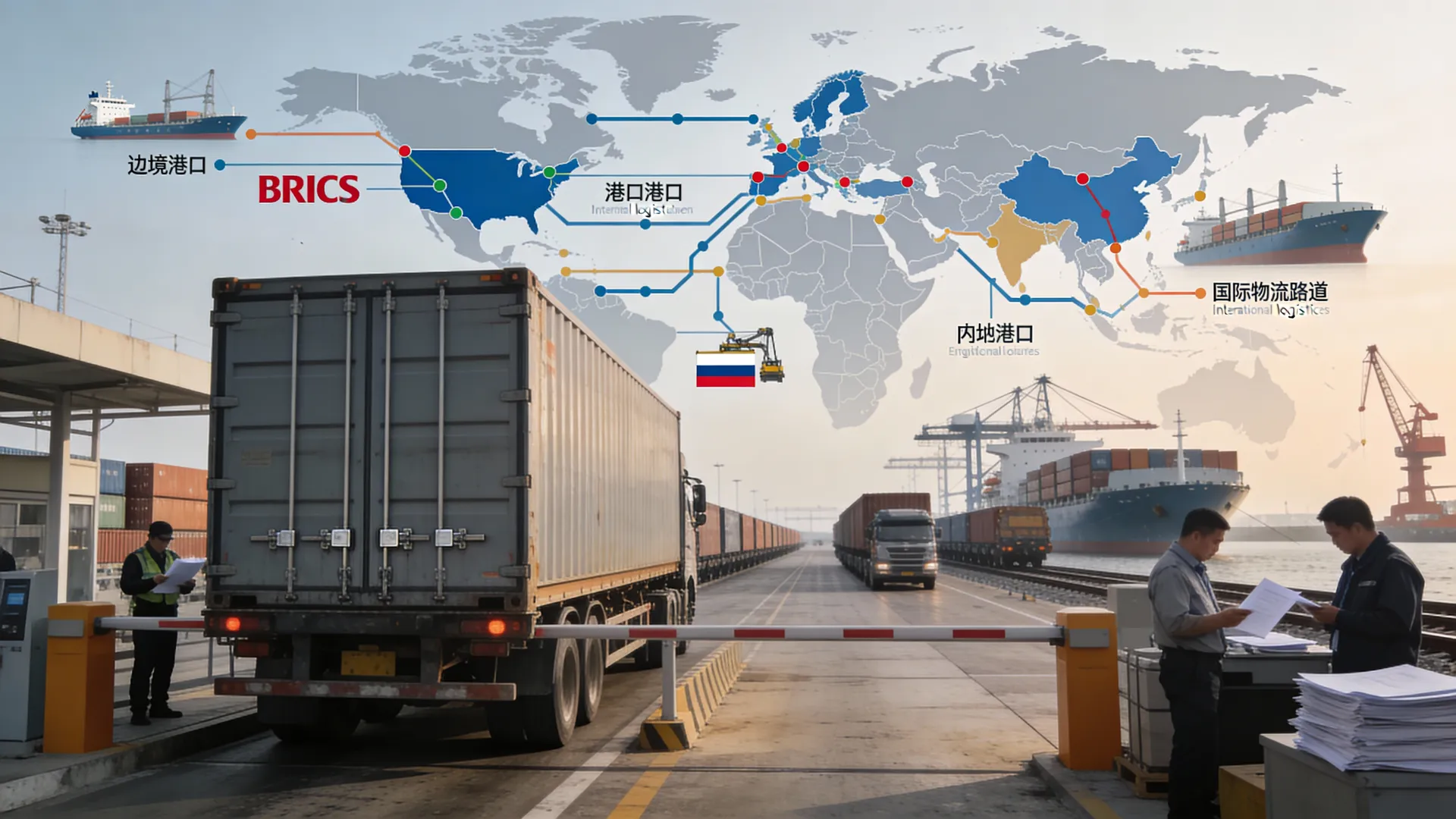
1) Logistics as the "language of business" within BRICS. As the association expands, it becomes critical for companies to have a single channel that translates market demands into specific solutions: schedules and throughput capacities in the directions, digital documents, labeling requirements, sanitary and regulatory barriers. If the committee actually prepares proposals on areas of cooperation within the framework of the Business Council, this increases the chance that logistical issues will no longer be resolved point-by-point "manually."
2) Commercial predictability is more important than declarations. For importers and exporters, the risk today is more often not in the duty rate, but in the timing and uncertainty: a delay at the junction of procedures, different requirements for documents, and a "mismatch" of data in the chain. The committee, which prepares proposals for the president and the government on business cooperation, can potentially accelerate the unification and "unlocking" of bottlenecks.
3) The transition from individual transactions to stable chains. Demand for regular supplies and long-term contracts is growing within BRICS. This requires a constant feedback channel: where time is being lost, where the economy of the route is breaking down, where interdepartmental adjustment is required. Without this type of institution, business continues to live in the "every case is a separate battle" mode.
In the near future, the main issue is not the fact of creation, but the content: which industries and areas will be a priority, and whether the committee will work as a tool for real decisions (regulations, digital procedures, standards), and not as a platform for general statements. Businesses have a simple performance criterion here: whether there will be understandable changes in deadlines, documents, and access to infrastructure on key BRICS routes.