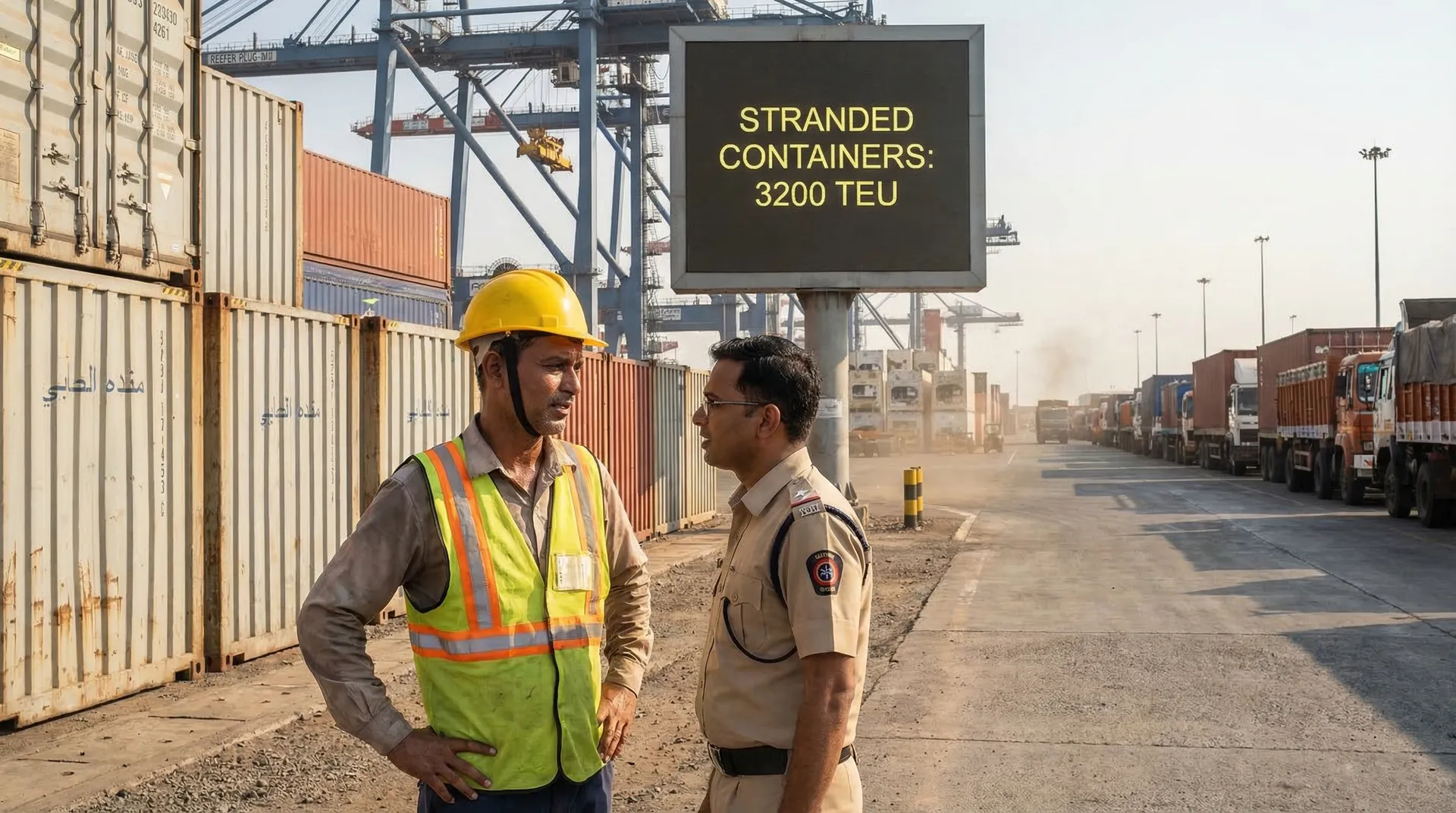
Indian container logistics in the western direction has entered manual control mode: the Jawaharlal Nehru Port Authority (JNPA) in Navi Mumbai has formed an interagency group to accelerate the movement of export cargo, which has been "suspended" due to disruptions in ship schedules amid the Middle East crisis. The port captures a measurable effect. According to JNPA, the volume of stuck containers decreased to almost 3,200 TEU on March 8 from about 5,000 TEU on March 1.
The headquarters included representatives of key departments and services that affect the speed of release and processing: DGFT, Customs, Directorate General of Shipping and the port Traffic Department. This is important for exporters, because during a crisis, several areas "break down" at the same time: planning of ship calls, access to slots, release rate, storage at the terminal, connection of refrigerated containers.
At the same time, JNPA has included financial incentives to stop the increase in costs for cargo owners. In a letter dated March 9, terminal operators were instructed to give “a 100% discount on land rent/accommodation for up to 15 days.” for containers that have been affected by the crisis.
There are also benefits for refrigerated containers: terminals are instructed to reduce reefer plugin charges for a period of 15 days in part of the discount amount indicated in the port's request.
JNPA separately described how it will keep containers on the port territory until shipments resume, so as not to create a "second wave" of congestion at CFS and car entrances.:
“The Johannesburg Port Authority (JNPA), in coordination with container terminal operators, facilitates the storage of stuck containers at the port until the cargo is shipped.” — it says in the communication.
An important management signal for the market was given by JNPA Chairman Gaurav Dayal. He publicly stated that the port conducts constant consultations with departments, terminals and trade participants.:
“JNPA is closely monitoring the situation and remains fully committed to supporting the export-import community.,” he said, adding that measures are being discussed to help cargo movement and reduce schedule disruptions.
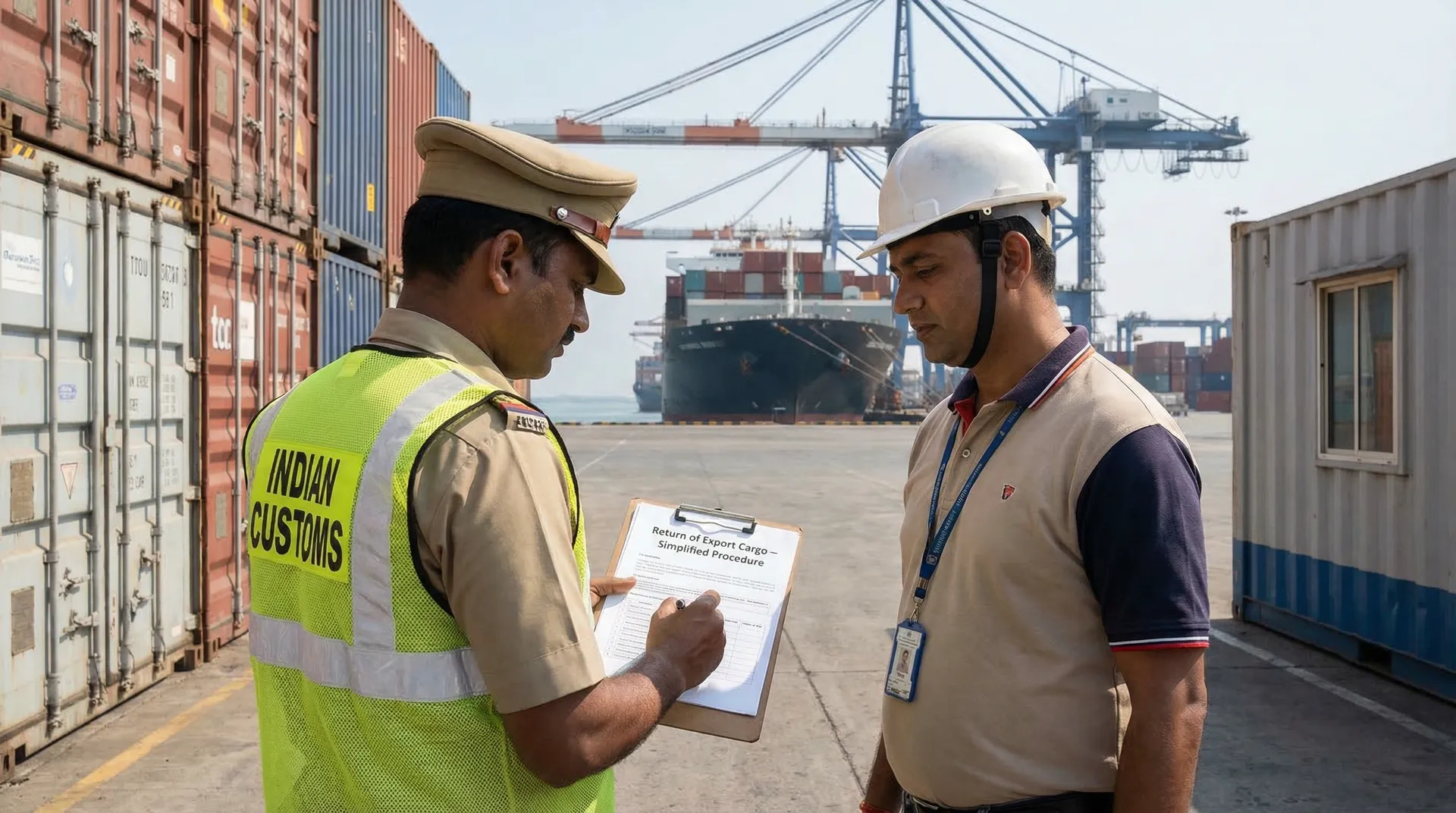
At the level of processing technology, the port has taken the path of unloading the yard: temporary storage of transhipping, allocation of additional areas, priority for perishable goods, acceleration of Back to Town and simplification for BTT traffic even if EGM is not applied during basic verification and integrity of seals. Such a set of measures reduces the risk of terminals becoming "clogged" during a period when ships arrive erratically and refit requirements are increasing.
For foreign economic activity teams and freight forwarders, this is a practical story about anti-crisis regulations. We need operational lists of containers, gating-in date control, confirmation of the status of seals and e-seal, a separate track for perishable goods and a fast BTT decision process. The faster a company transfers a shipment to an understandable storage or return mode, the less likely it is that contract deadlines and terminal service costs will be disrupted.