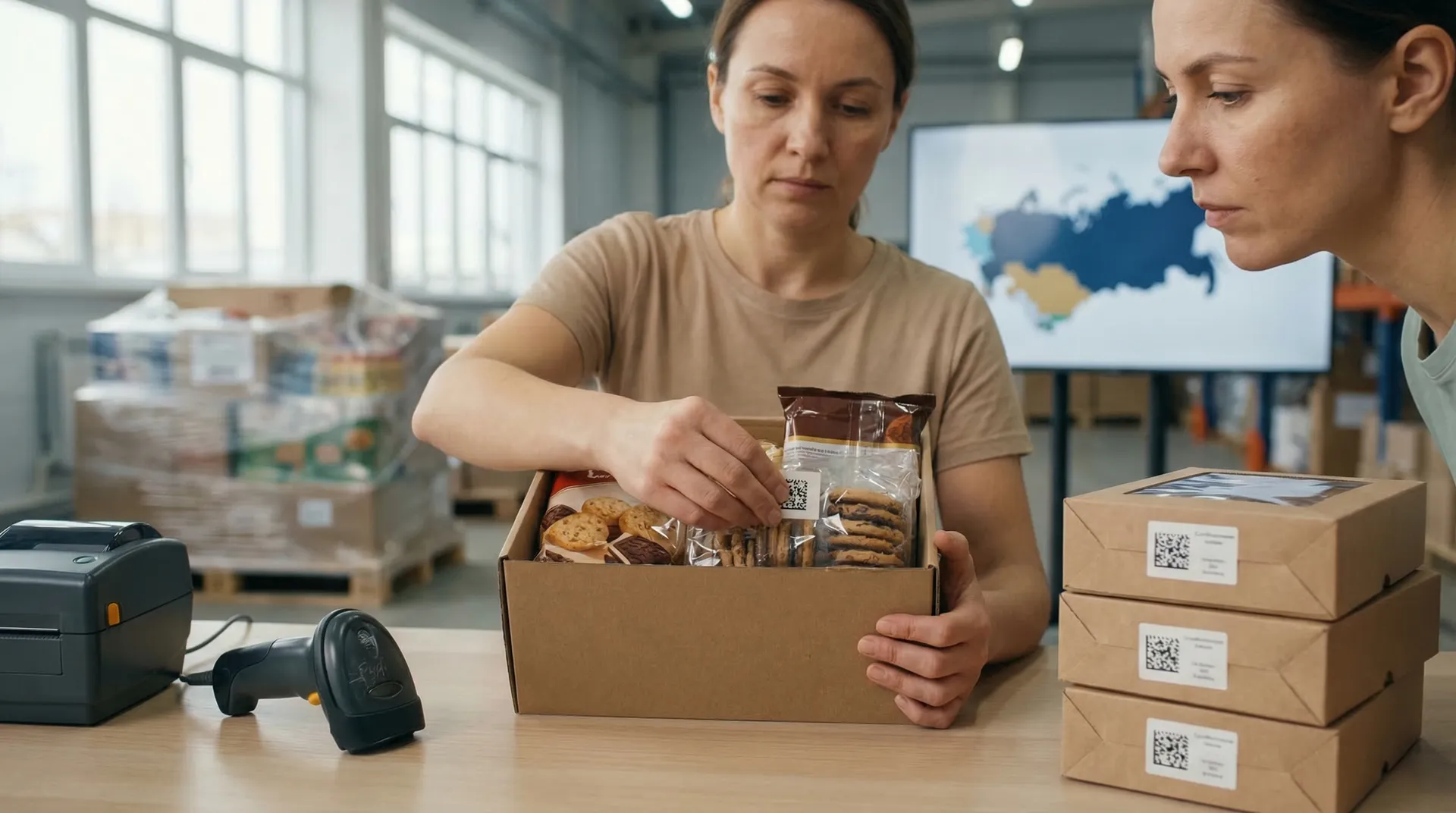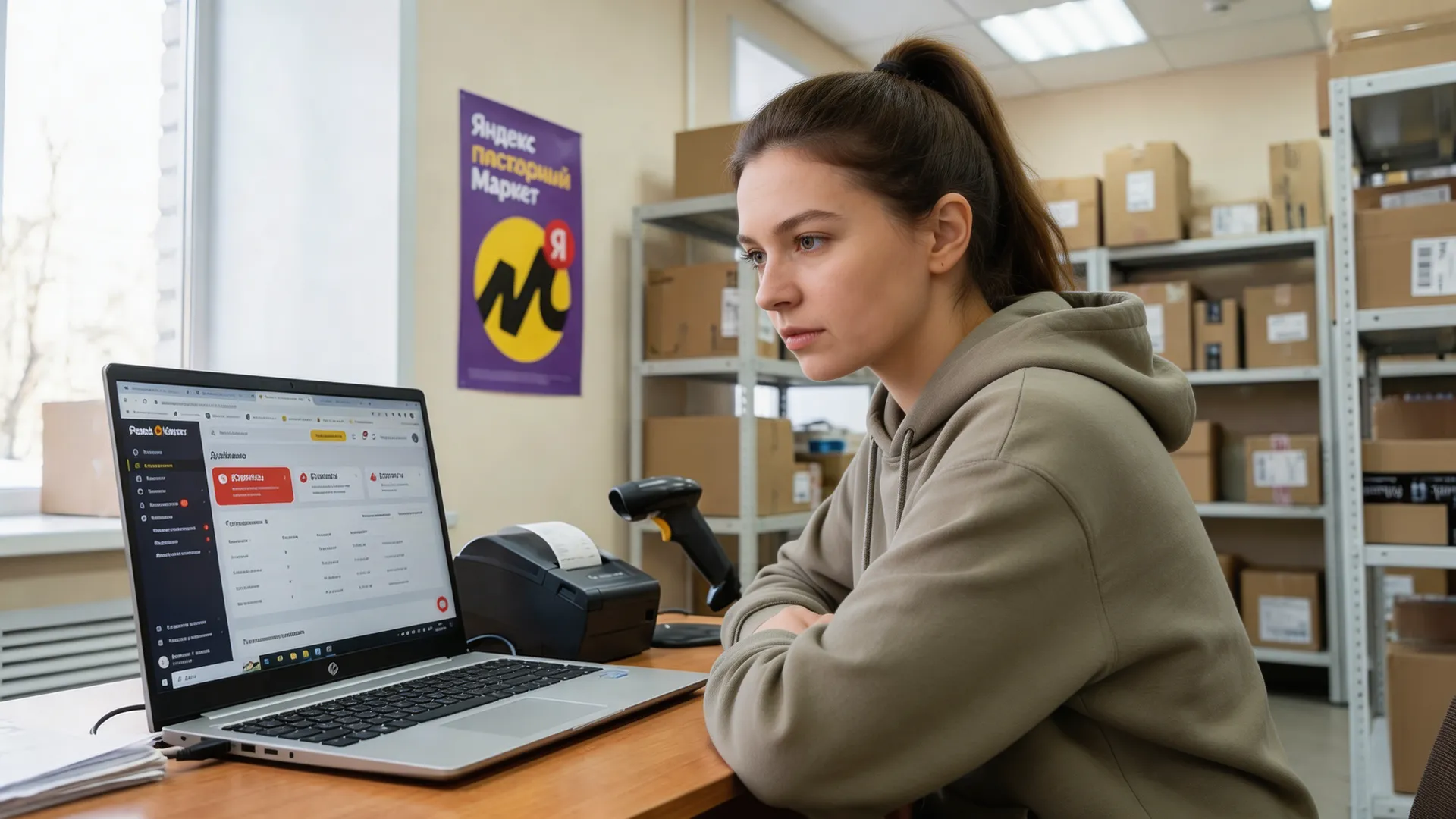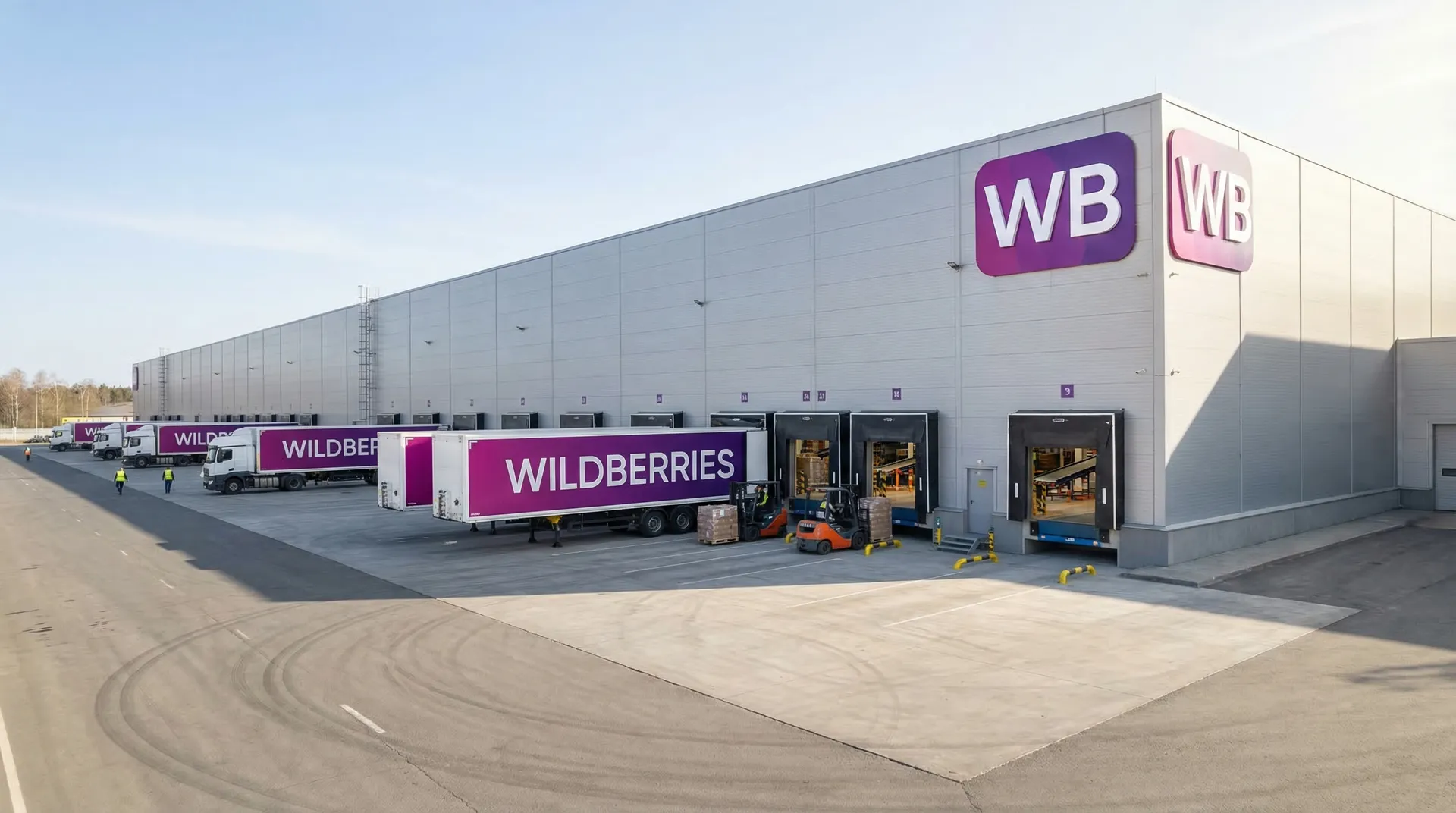
RVB has completed the expansion of the WB logistics complex in Krasniy Bor in the Leningrad Region and received permission to enter the second stage. An additional 59,000 square meters increased the total area of the facility to 154 thousand square meters. According to the company's calculations, the warehouse will be able to accommodate over 57 million units of goods, and the operating area will feature a set of equipment that has already become standard for large marketplaces: vertical automatic sorters, conveyor lines for internal transportation and robots for moving pallets.
For the Northwest, this is a story about the speed and manageability of flows. The larger the capacity and the higher the level of automation, the more stable the sellers' acceptance is and the easier it is to withstand the peaks that occur during seasonal sales and payouts. In practice, the expansion of such a node affects several indicators at once: the time between delivery to the warehouse and the appearance of goods on sale is reduced, balances are redistributed faster between regions, it is easier to keep a wide range without gaps in availability.
A separate effect is for small and medium—sized businesses in the Leningrad Region and neighboring regions. When a large warehouse with clear processing technology appears nearby, it is easier for entrepreneurs to plan deliveries and turnover: there are fewer time gaps, the risks of goods getting stuck in transit are lower, and new positions are tested faster. For some manufacturers, this becomes an entrance ticket to regular shipments according to the marketplace model, where supply discipline and speed of response to demand are important.
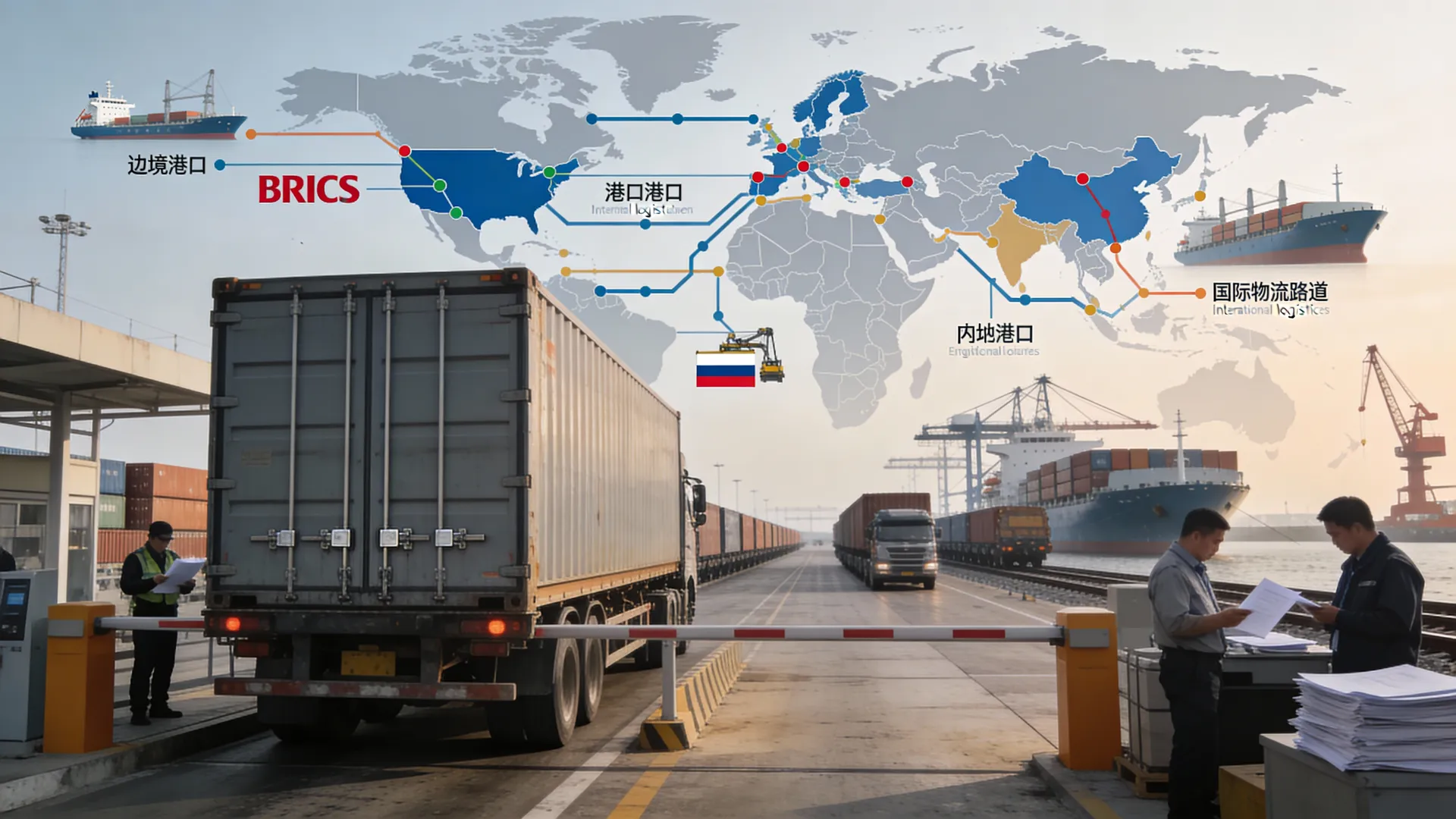
From the point of view of foreign economic activity, the North-West is also a working geography for sellers who are tied to international supply chains and parallel imports. The closer a large distribution hub is to the port and border infrastructure, the more important the quality of warehouse handling becomes.: fast placement, transparent batch control, accurate handling of pallets and returns. For exporters from the BRICS countries who enter Russian sites through local partners, such logocenters simplify the start: clear logistics within the country reduces barriers to expanding the range and increasing volumes.
The launch of the second stage in Krasniy Bor is a step towards a more “industrial” logistics marketplace in the Northwest: more capacity, more automation, higher predictability of processing. For the market, this means tighter competition for the speed of delivery and for the quality of warehouse service, which for the seller has long become as important as commission and traffic.