Traditionally, the autumn period has become a hot season for importing Chinese goods to Russia. Demand begins to grow in September, reaching a peak in October – on the eve of the holidays in China, and persists until the New Year. However, in 2025, the situation may be strikingly different from the usual scenario. Despite formally maintaining the status of the fourth quarter as the busiest in terms of cargo transportation, the market is showing alarming signs of slowing down.
One of the key reasons is overcrowded warehouses. Many distributors and importers still have not sold off the inventory purchased at the end of 2024. This limits the need for new purchases, which means that it directly affects the demand for transportation and, as a result, the cost of logistics services. Previously, the seasonal increase in tariffs reached 30%, now this jump may not take place.
An additional factor of uncertainty was the fluctuating ruble exchange rate. Businesses have to build logistical strategies based on possible currency values in the range of 90-95 rubles per dollar. This increases the risks and makes any urgent purchases more vulnerable from the point of view of financial planning.
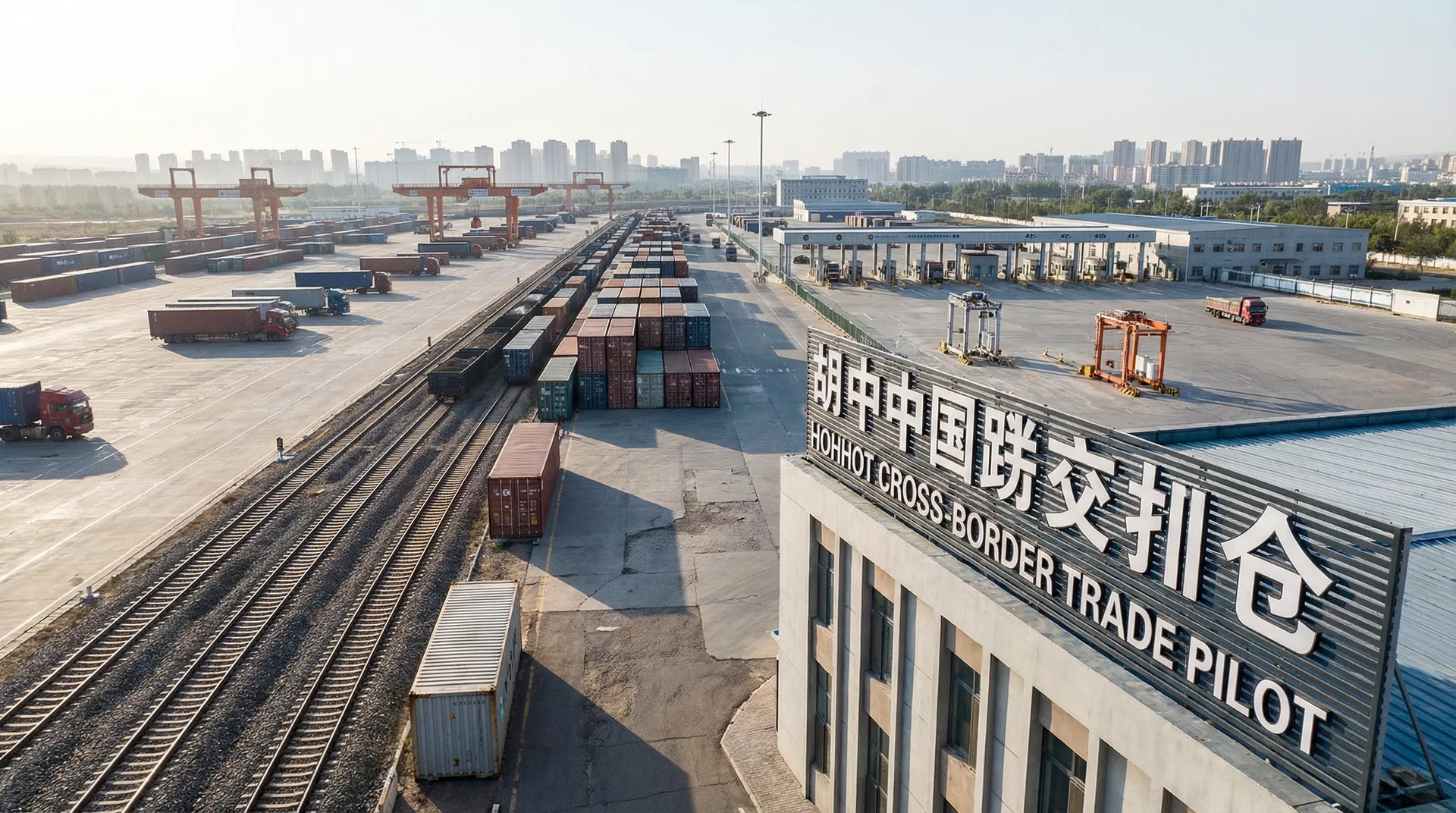
Against the background of all these challenges, the importance of motor transport is increasing. Rail and sea transportation are limited in slots and require advance reservations, while cars provide flexibility and responsiveness. From August to September 2025, the demand for road transportation from China to Russia increased by almost 60%. A special advantage of motor transport is shown in the "last mile" — the delivery of goods directly to the recipient.
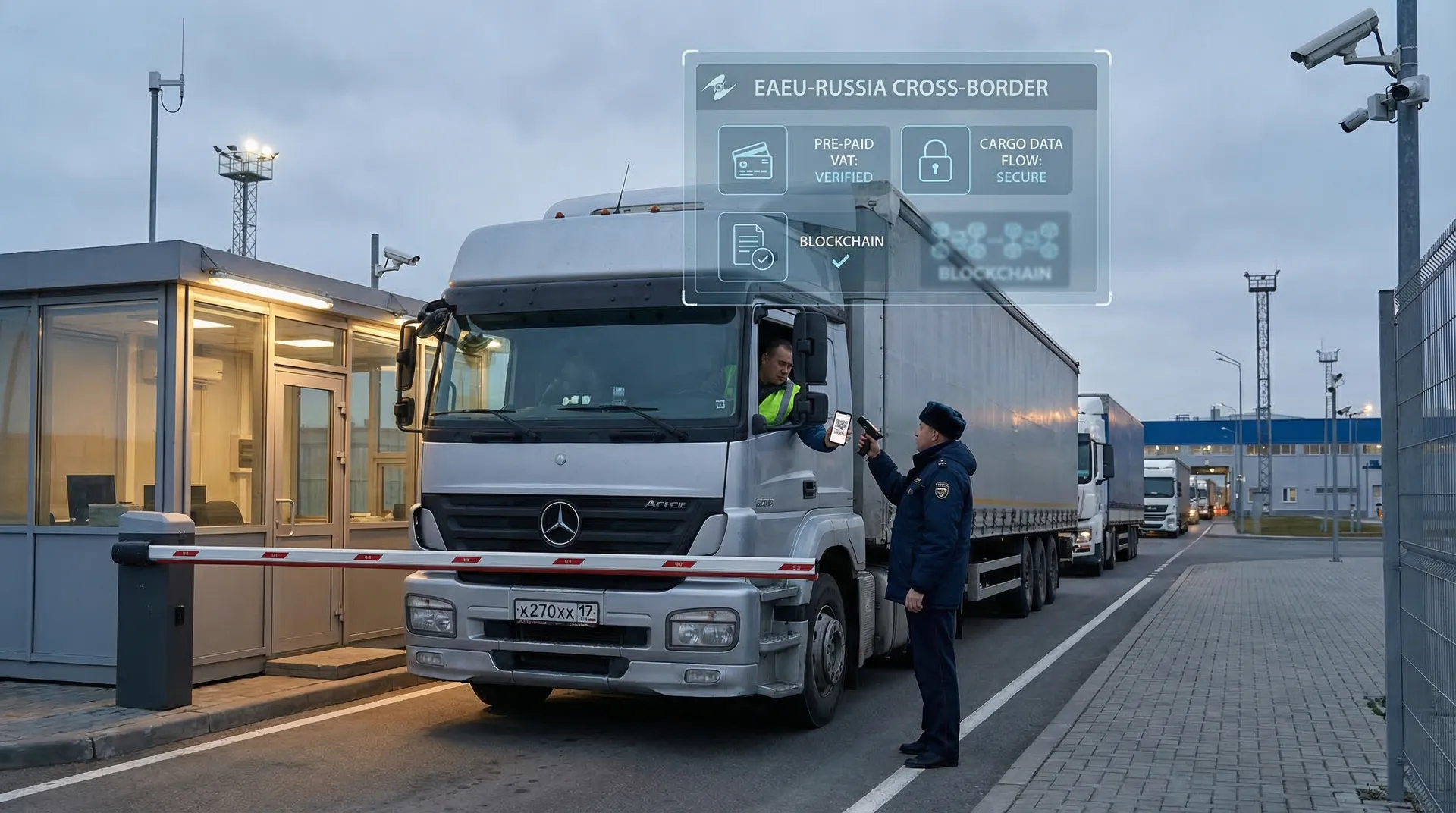
However, transportation by land also faces challenges: border crossings are overloaded, and delays occur due to a shortage of platforms and containers. This forces companies to refocus on alternative routes, in particular through Kazakhstan or using the Vladivostok seaport, where multimodal logistics is better established.
As for sea and rail transportation, the ports of Novorossiysk and St. Petersburg are losing volumes due to the international situation. Vladivostok is becoming a key hub from where cargo can be distributed further across the country in a combined manner.
Air transportation, although it remains a niche segment, also expects a seasonal surge. In 2024, there was an increase in tariffs during this period, and in 2025 the situation is likely to repeat — especially against the background of reduced supplies and the desire of companies to deliver urgent orders.
Thus, the New Year's Eve "boom" may not meet expectations — at least on a traditional scale. Market participants should prepare in advance, book seats, optimize logistics, and closely monitor currency dynamics. October will be a kind of indicator that will show how ready the market is for the busy end of the year.