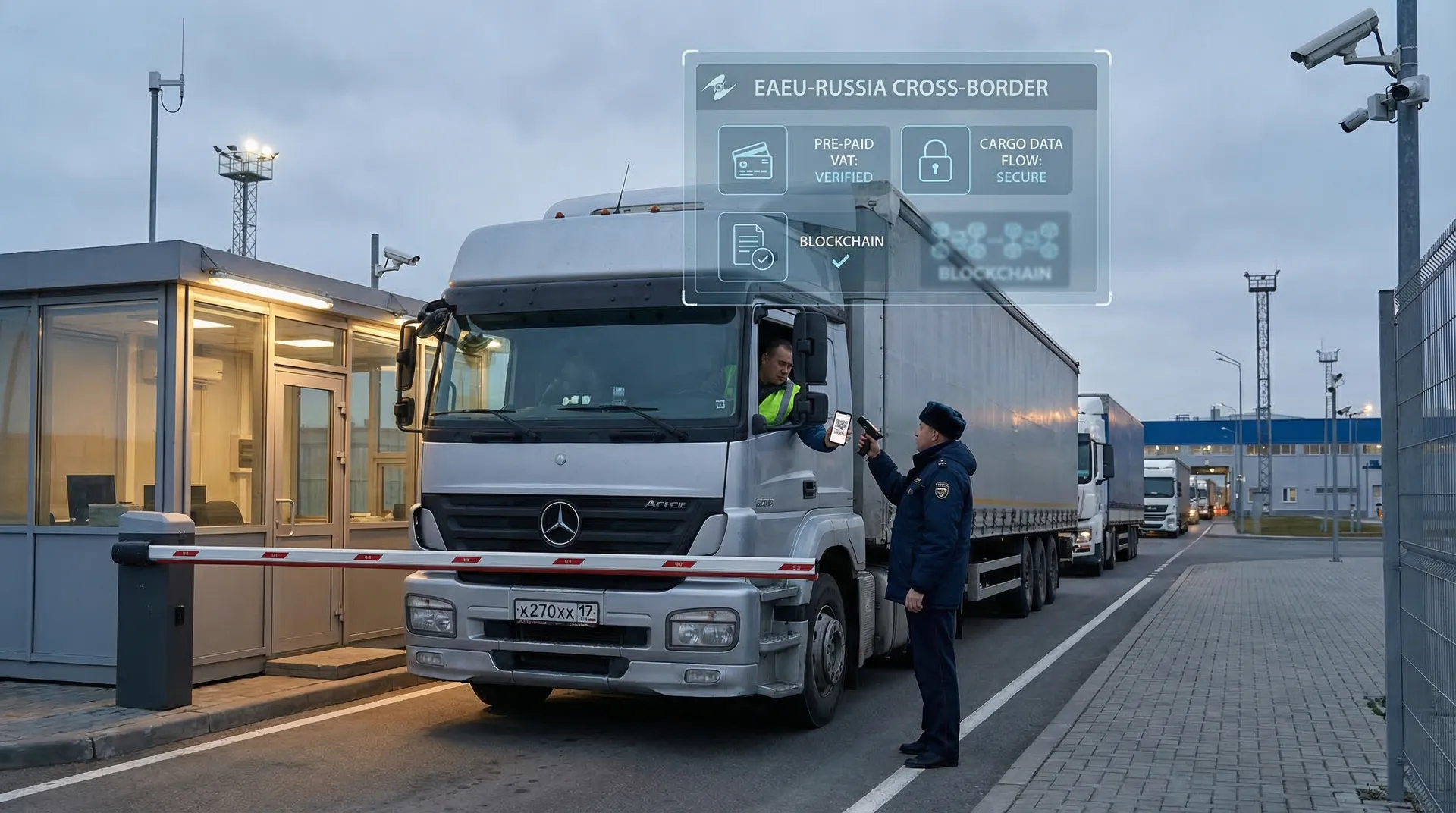
The border with China will open in February: the Federal Customs Service announced the dates of the closure of checkpoints for the Lunar New Year
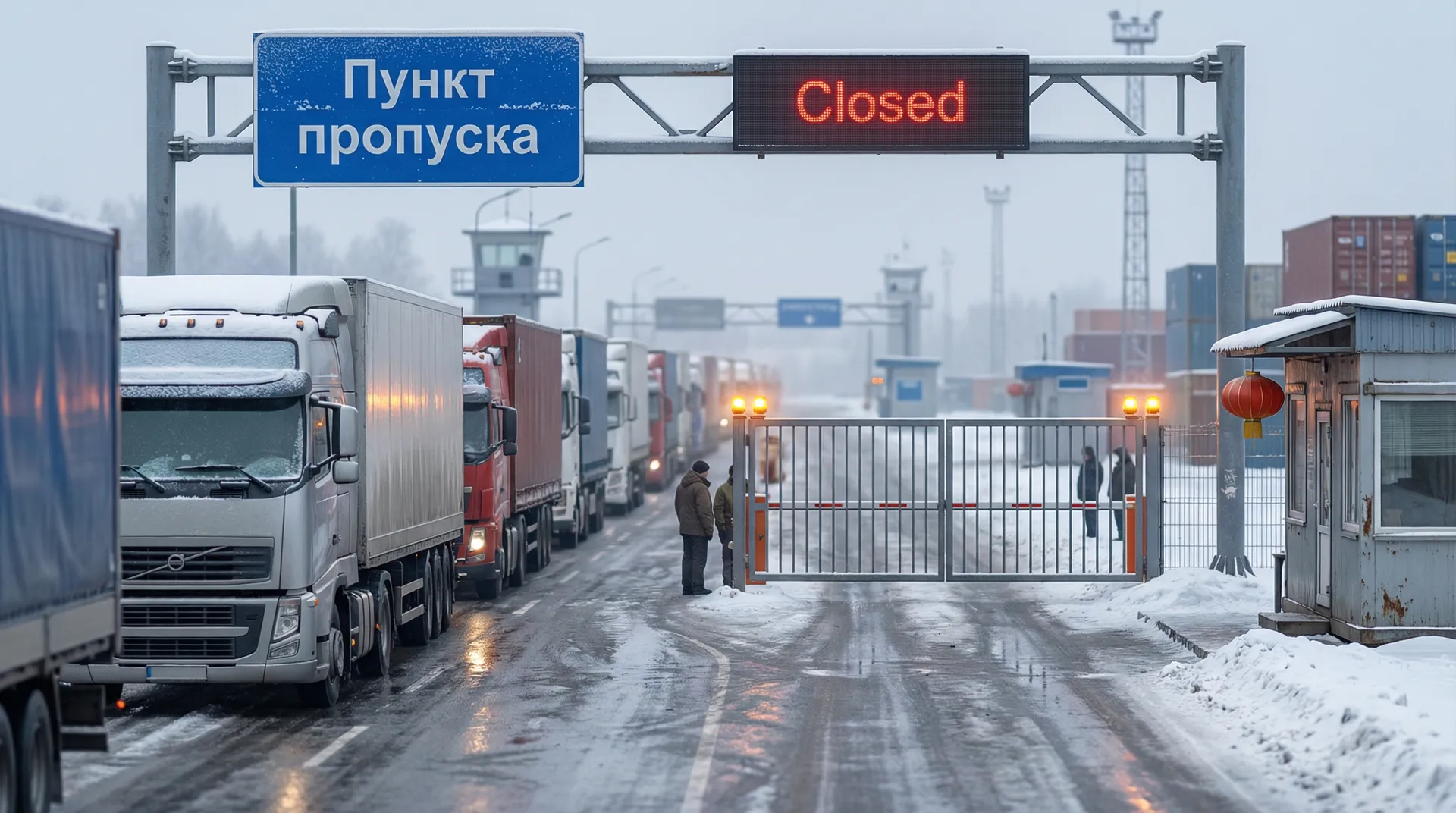
In mid-February, the celebration of the Lunar New Year begins in China, and against this background, the operating mode of adjacent checkpoints on the Russian-Chinese border is changing. The Federal Customs Service has warned that a number of destinations will be temporarily closed for several days.
According to the published data, the following crossings will be affected by the closures:
- MAPP Suifenhe – Border: February 16-20
- MAPP Hunchun – Kraskino: February 17-21
- DAPP Dunnin – Poltava: February 16-20
- DAPP Mishan – Turiy Rog: February 16-20
Additionally, the crossing in the Khabarovsk Territory will not work for several days.:
- Pokrovka – Zhaohe: February 16-19
Why it is important for foreign economic activity and logistics
In February, any pause on the border with China hits the chains at three points at once:
- Queues and increased transport turnover time. Even a short closure triggers a "traffic jam" effect: cars that were supposed to pass through these days accumulate before closing or are postponed to the first days after opening.
- Shifting of warehouse windows and overloading of terminals. Deliveries "before the holidays" are traditionally denser, and then there is a wave after the resumption of work. For warehouses and storage facilities, this means a sharp increase in shipments and increased risks of downtime.
- Recalculation of the delivery economy. An idle truck on the approach to the border means not only time, but also money: demurrage/downtime, additional driver expenses, the need to transfer unloading slots, and sometimes fines under contracts.
What to do right now
- Reschedule shipments so that critical shipments do not fall into the "closing window".
- Reserve storage slots in advance for the period after opening: there is usually a "narrow neck".
- Set a buffer in the terms of the contract (especially for B2B shipments with a fixed ETA).
- Consider alternatives: divert some of the cargo to the railway or to routes through other border crossings, if this is justified by time and cost.
Expert opinion: closing for the holidays is a predictable event, but it is expensive for those who plan "side by side". In 2026, the key thing is not just to know the dates, but to rearrange the schedule of shipments and acceptances so as not to pay for waiting at the border.