The trade war with the United States has given Chinese e-commerce an unexpected inward boost. All major platforms in the country have simultaneously launched programs to support the domestic market, some on their own initiative, others under pressure from the government, which wants to compensate for the loss of export markets by increasing domestic consumption.
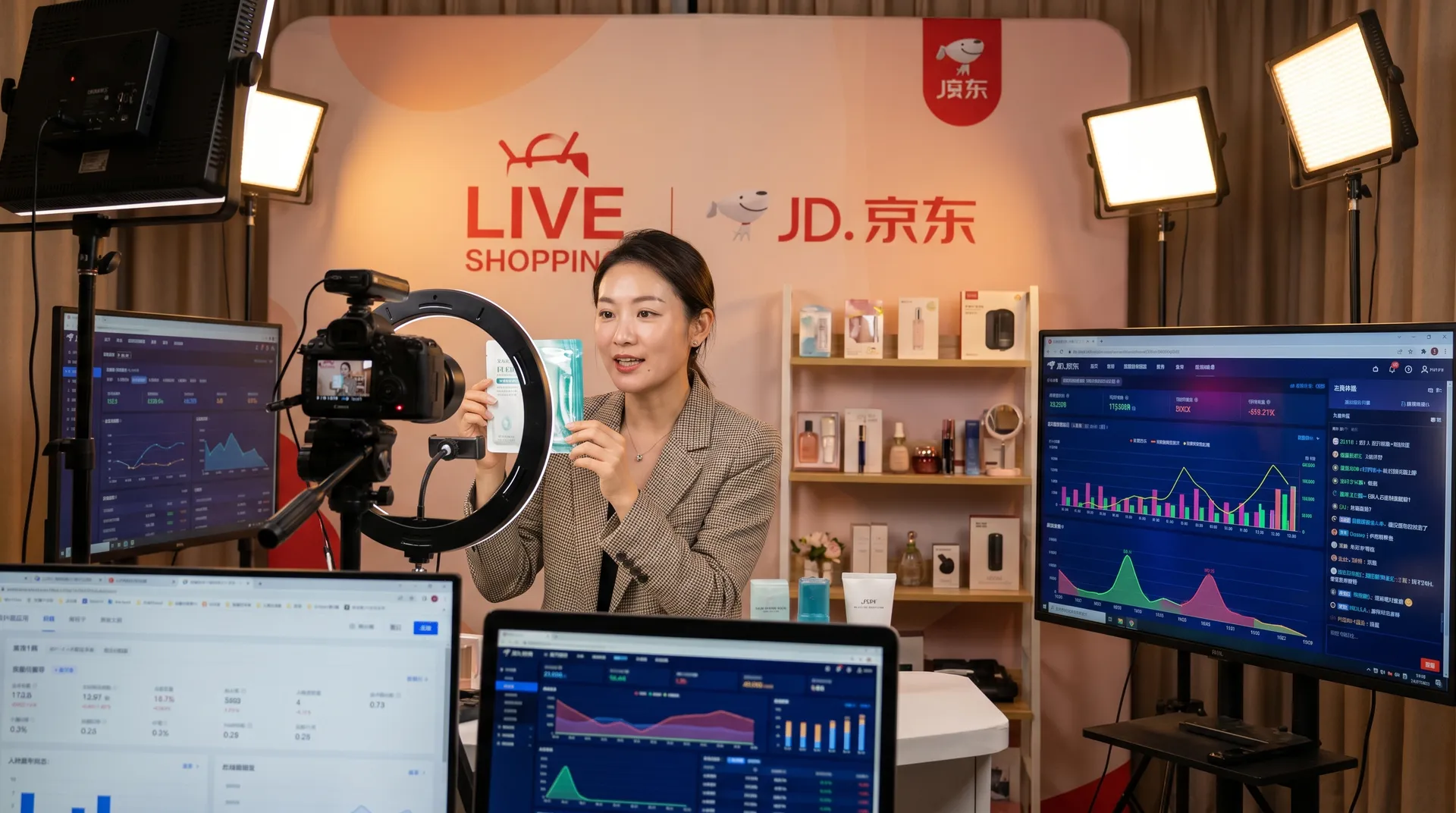
Alibaba is expanding its customer subsidy program inside China, modeled on government trade-in programs for household appliances. JD is building additional fulfillment centers to handle internal traffic, which will grow as sellers shift from exporting to Tmall and JD.com . Baidu has offered millions of companies free access to AI advertising tools in the livestream format, which accounts for 54% of online purchases in China. DiDi has allocated 2 billion yuan for a program to support local jobs and consumption. ByteDance, Meituan and Tencent are launching similar initiatives.
The scale of the Chinese market is huge. The volume of online retail in China reached $2.16 trillion in 2024, which is about 50% of the total global e-commerce. Almost a billion consumers buy online, 85% of transactions are from mobile devices. When the world's largest platforms reorient marketing budgets domestically, this in itself creates additional demand for goods produced in China.
This has specific consequences for Russian importers from China. The growth of internal competition among Chinese sellers against the background of a reorientation from exports puts pressure on wholesale prices. Manufacturers who have lost American customers are actively looking for new markets, and Russia, as China's largest partner in the BRICS, is among the priorities. The supply in the Russian direction will grow, and the supply conditions will improve.