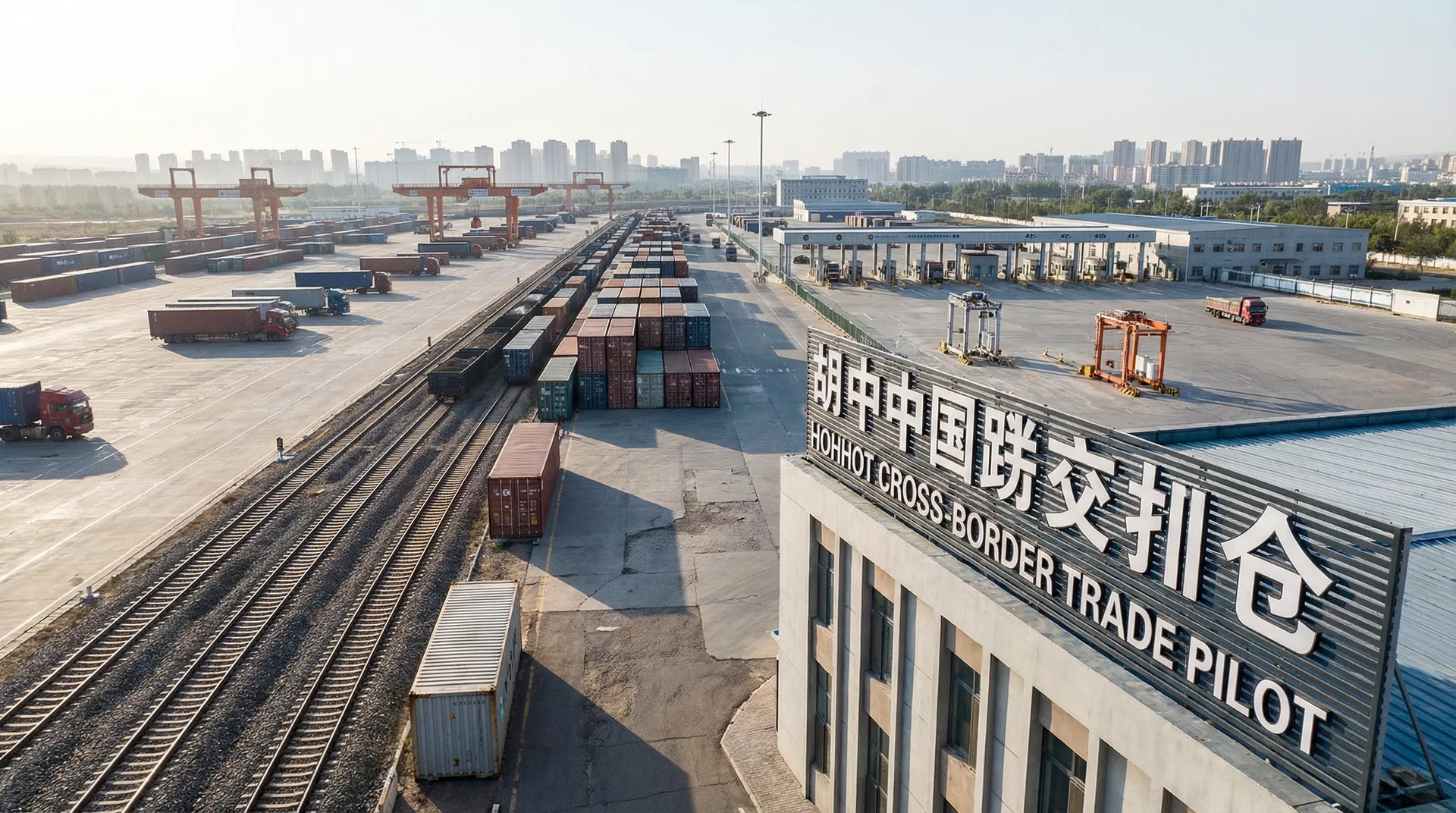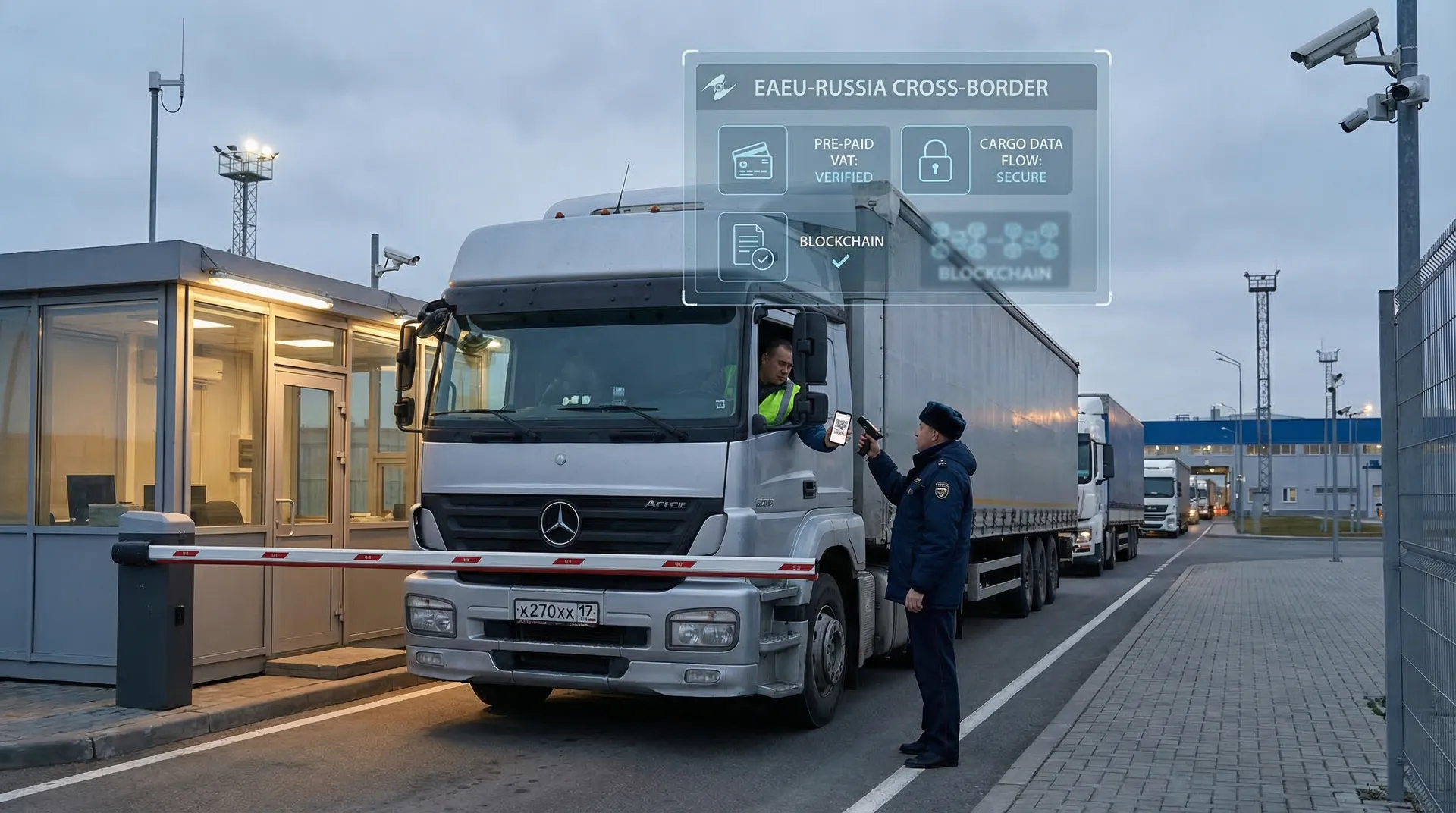
The Russian container transportation market in 2025 shows an unstable picture. Against the background of a seasonal decline in activity, imports from China fell, which, however, had a positive impact on the functioning of the railway infrastructure. The disappearance of problems with idle container trains gave logistics temporary relief, but the decrease in demand for delivery also resulted in lower tariffs. Throughout the year, the cost of container shipping reached new lows several times after the pandemic.
According to Roman Sokolov, Director of Marine Logistics at the Center for Price Indices, the reasons for the current situation are oversaturation of warehouses, falling consumer demand and business caution in the formation of inventories. These factors, together with global economic fluctuations, geopolitics, and logistical constraints, cause high price volatility.
As of October 15, 2025, shipping a container from Shanghai to Moscow costs $5,305. The increase in rates began in the spring, but was not caused by the traditional New Year's Eve demand. The increased customs control at the border with Kazakhstan also had an impact, which forced forwarders to redirect cargo through other points and increase the loading of ports in the Far East.
As a result, railway routes have become more expensive and sea freight rates in the eastern direction have increased slightly — one of the major carriers has stopped operating in this region. At the same time, rates for transportation through European ports such as St. Petersburg and Novorossiysk are showing the opposite trend - a decrease.
Thus, the market is developing multidirectional dynamics: Far Eastern routes are becoming more expensive, European routes are becoming cheaper, and rail transportation is strengthening its position. According to experts, an increase in the rate index is possible by the end of November, while the general direction of prices remains unstable.
Since October 23, the Center for Price Indices has been launching the Russian Container Index, a new tool for monitoring the cost of shipping a 40-foot container along the popular Shanghai-Moscow route. This step will help market participants navigate pricing, especially considering that China accounts for up to 80% of all container cargo imports to Russia.