Prices for shipping containers from China to Russia have reached their lowest level in the last five years. A new container index developed by the Center for Price Indices (CIC) shows that as of October 15, 2025, the cost of transporting a 40-foot container from Shanghai to Moscow is $5,305. The reasons were a decrease in imports, an oversupply of transport capacity and fierce competition between modes of transport.
The market is experiencing pressure from two sides: railway and marine operators are fighting for the customer, as a result of which the rates have repeatedly updated the lows. A particular impact was caused by a drop in consumer activity, warehouse congestion and a slowdown in imports ahead of the New Year season.
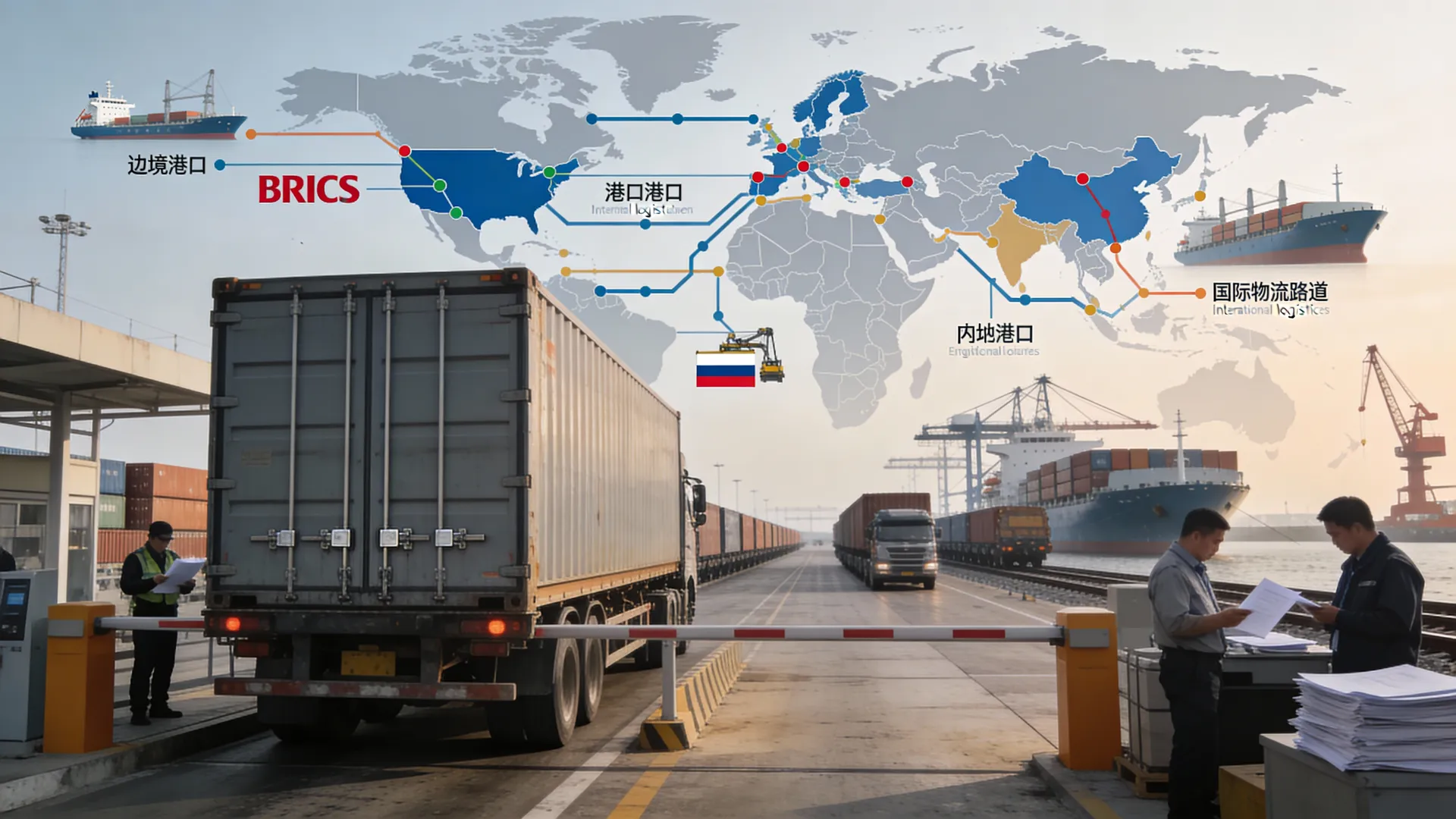
The new CDI index takes into account the entire delivery chain: sea freight, railway logistics, terminal services and final auto delivery. At the same time, spot shipments account for about 85% of all import container flows. Two routes dominate the calculations of the index: through Vladivostok and railway routes through Kazakhstan and Mongolia, occupying 44% and 43% of the weight, respectively. Deep-sea routes through St. Petersburg and Novorossiysk have a smaller share, but their popularity is growing.
In October, there was a temporary increase in the index due to a number of unplanned factors. Among them is the strengthening of customs control on the Kazakh—Chinese border, as well as the termination of Chinese STF Shipping in the Far East. These events have led to an increase in rates on rail and sea transportation in some regions.
However, according to experts, such spikes are short-term. The downward trend in rates continues, especially on deepwater routes, due to improved railway network capacity and lower import rates.
There is also a contrast between the rates for different regions: shipping a container to St. Petersburg costs twice as much as to the ports of the Baltic States and Finland. This highlights the continued "premium" nature of Russian routes.
Experts emphasize that a high key rate increases the importance of delivery speed. Importers are willing to overpay for fast deliveries, especially when they work with borrowed funds.