For the first time, Russian Railways Logistics sent containers along the western branch of the North-South Railway

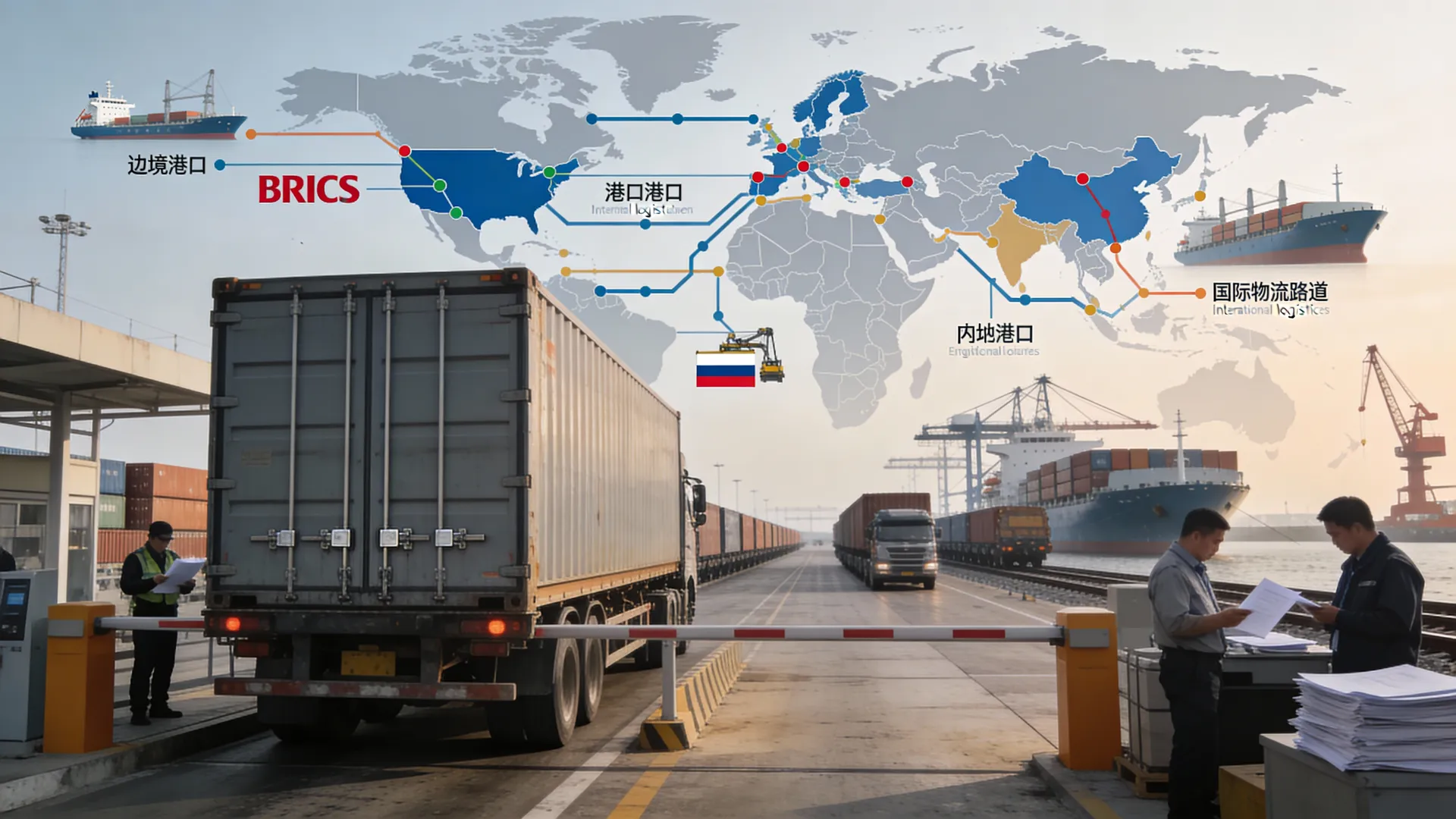
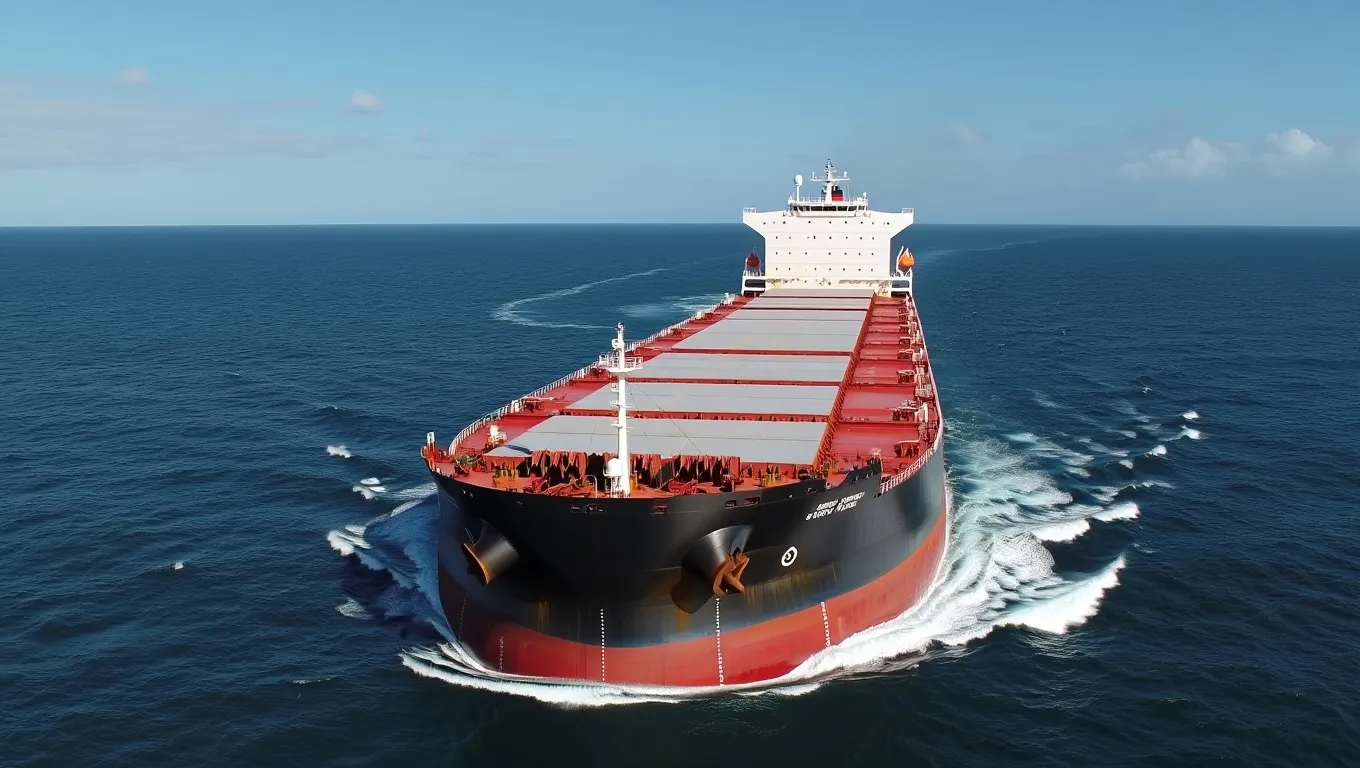
Russian Railways Logistics has carried out a test shipment of forty—foot containers from the Kuibyshev Railway landfill along the western route of the North-South international transport corridor. The transportation was organized according to a multimodal scheme and included a railway section, as well as sea delivery to the Indian ports of Khazira and Navasheva.
The test shipment is aimed at a practical assessment of the capabilities of the new logistics solution and its potential for the development of export supplies. Based on the results of the pilot project, the company plans to determine the prospects for regular use of the route for the delivery of products to the Indian market.
In case of successful implementation, Russian Railways Logistics is ready to consider launching regular shipments with a frequency of one to two container trains per month. This volume will allow for a stable cargo flow and ensure predictable delivery times for exporters.
Alexander Belnitsky, Director of the branch of Russian Railways Logistics in Samara, noted that the current economic situation contributes to the redistribution of export flows in favor of railway transport.:
"Now there are objective prerequisites for the reorientation of part of the export cargo flow from the sea to the railway, as it is faster and safer. In the process of further developing the MTK service and expanding the import cargo flow, such a route may also become economically more profitable."
The western branch of the MTK North—South is considered as a strategic direction for increasing trade turnover between Russia, the countries of the Caspian region and India. The railway component of the route makes it possible to reduce the delivery time compared to traditional sea routes and reduce the risks associated with congestion of the port infrastructure.
Earlier it was reported that Russian Railways, Iranian Railways and Azerbaijan Railways signed a memorandum of cooperation aimed at strengthening the competitive position of the western route of the North—South MTK. One of the key objectives of the agreement is to create stable and transparent tariff conditions for cargo owners.
Experts note that the successful implementation of such test shipments can be an important step towards the formation of sustainable logistics chains for Russian exports to South Asia, especially against the background of changing global trade routes and the growing role of land corridors.