Rising prices for container shipments from China: consequences of inspections at the border with Kazakhstan

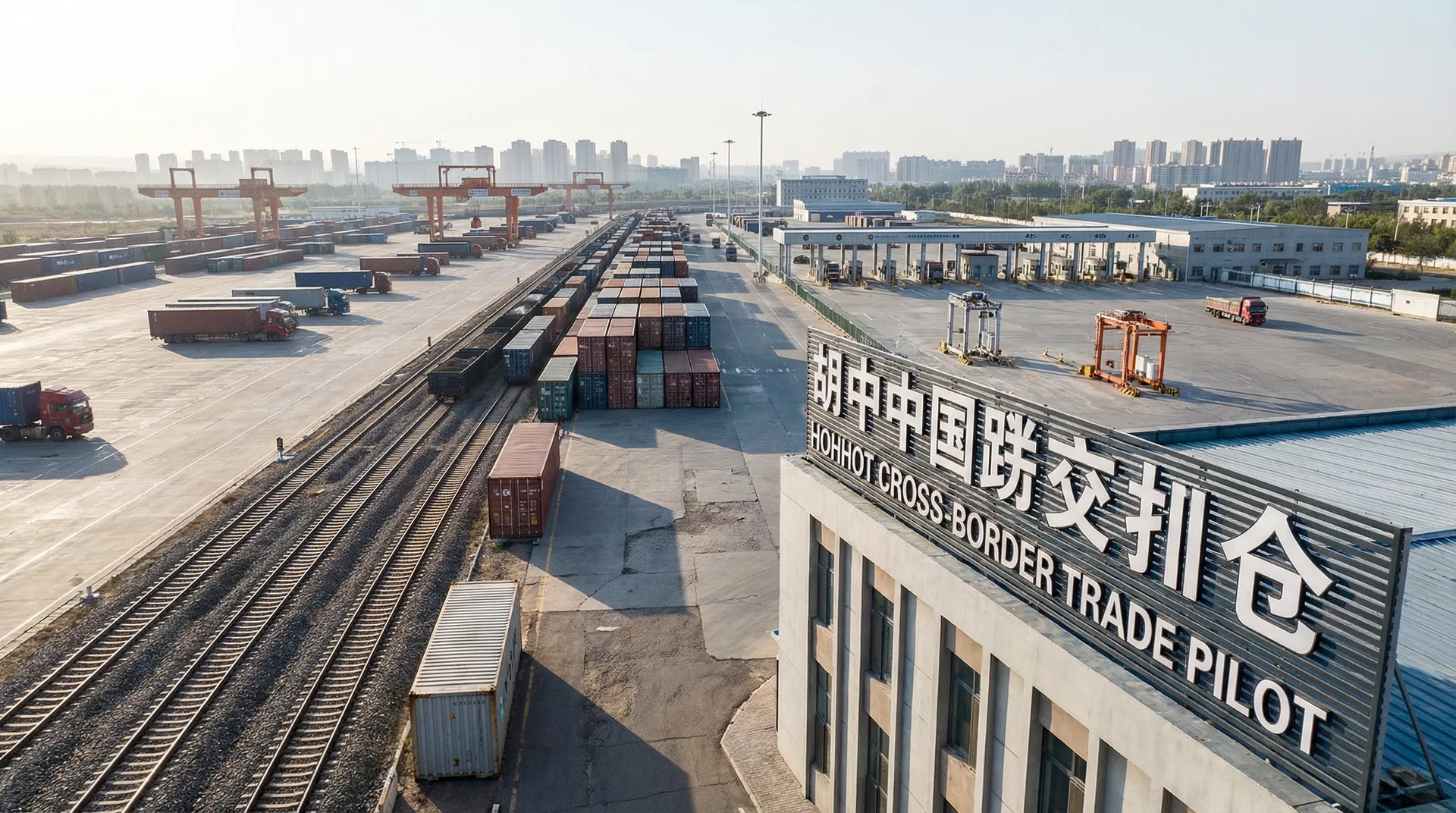
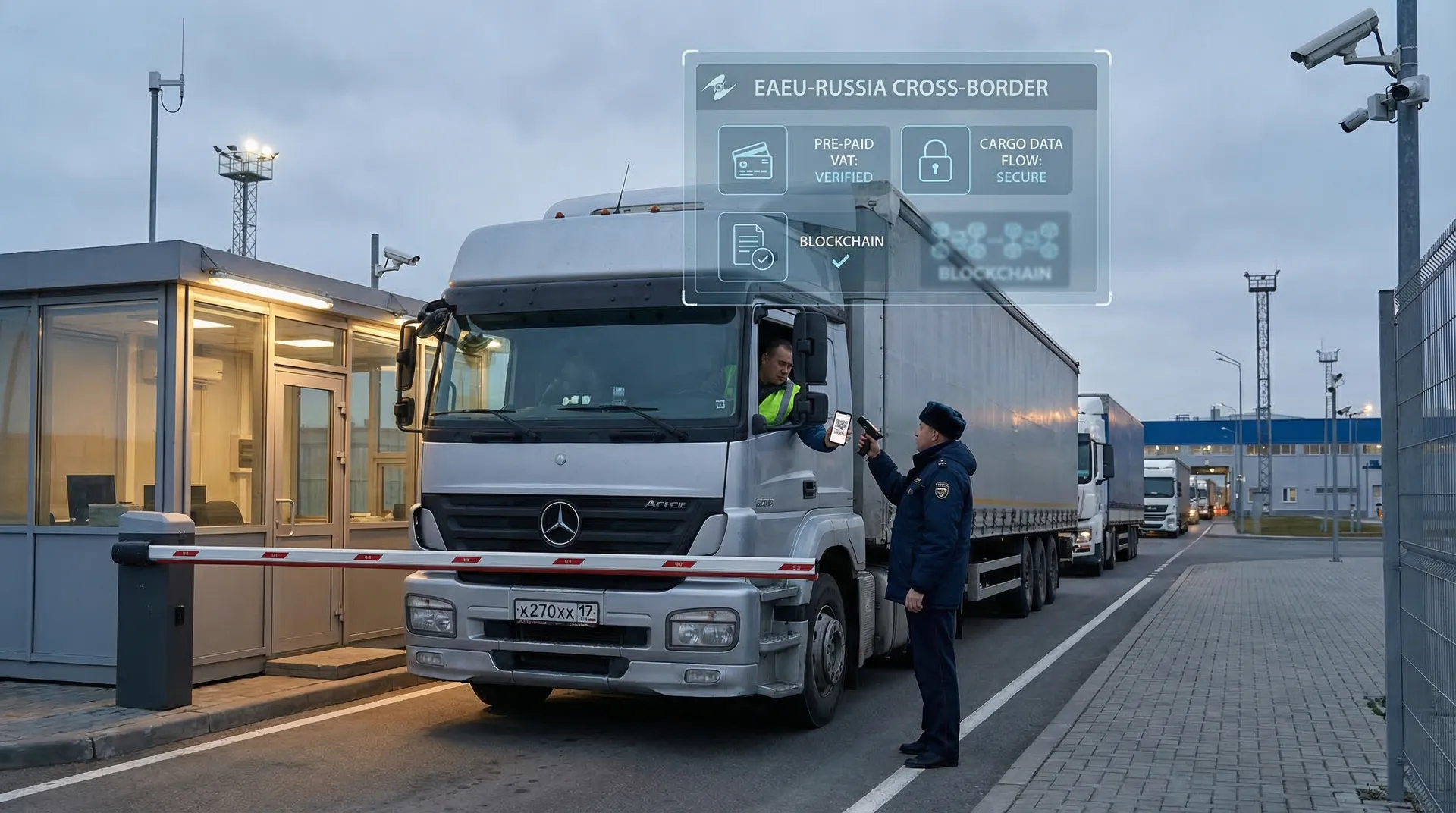
Since the beginning of autumn, the cost of shipping containers by rail from China to Russia has increased by 10%, reaching $4.5–5.1 thousand per 40-foot container. The main reason was the tightening of controls at the Kazakh border, where inspections of goods arriving via railway routes and road crossings have increased.
According to experts from the Price Index Center, transit trains are now being sent for lengthy inspections, which can take up to a month. This has led to a sharp reduction in the speed of delivery and an increase in the costs of logistics companies. Previously, such checks took only a few days. In response, market participants began to change routes, focusing on other crossings, in particular, Zabaikalsk and Naushki, as well as ports in the Far East.
An additional blow to logistics was the shortage of empty containers caused by the imbalance between exports and imports. The situation was also aggravated by the holiday week in China in early October, traditionally accompanied by a decline in container turnover.
According to transportation operators, the additional cost per inspection can reach $470, which forces companies to shift costs to customers. The cost of storage at terminals in Kazakhstan also increases the final price.
The demand for shipping from China, despite the general logistical difficulties, shows moderate growth compared to September. However, according to experts, it still remains below last year's figures, which is due to the high exchange rate and declining consumer demand.
According to market players, the situation with border control will continue to put pressure on rates at least until the celebration of the Chinese New Year in February. This means that participants in foreign economic activity should take into account possible delays and additional costs in advance when planning deliveries.