Despite the steady growth in demand for road freight transportation in Russia over the past six months, many logistics companies are still facing financial difficulties. According to ATI.SU, since the disastrous first quarter of 2025, the volume of applications has steadily increased: in the second quarter, demand jumped by 32% compared to last year, and in the third quarter by another 16% compared to the previous quarter. However, this growth did not bring the expected profits to many market participants.
The main increase in applications is provided by e-commerce, building materials and consumer goods. The Moscow region remains the most active: 18% more shipments were sent to the capital, and 60% more from the Moscow region. A strong increase in applications was also recorded in the directions from Mordovia, the Tambov region and towards Karelia.
However, as the volume of transportation increases, so do the costs. The average transportation rate in Russia increased by 16.4% in the third quarter to 75 rubles per kilometer. Routes from Moscow to Krasnodar and from Kazan to Nizhny Novgorod have become especially more expensive. But experts note that this growth is not due to an increase in margins, but to objective factors such as rising diesel fuel prices, a shortage of transport, and seasonal bursts of activity in construction and trade.
The market continues to lose players: small carriers are closing en masse due to expensive loans, non-payments and the upcoming patent cancellation. According to experts, up to 15% of small companies may disappear next year.
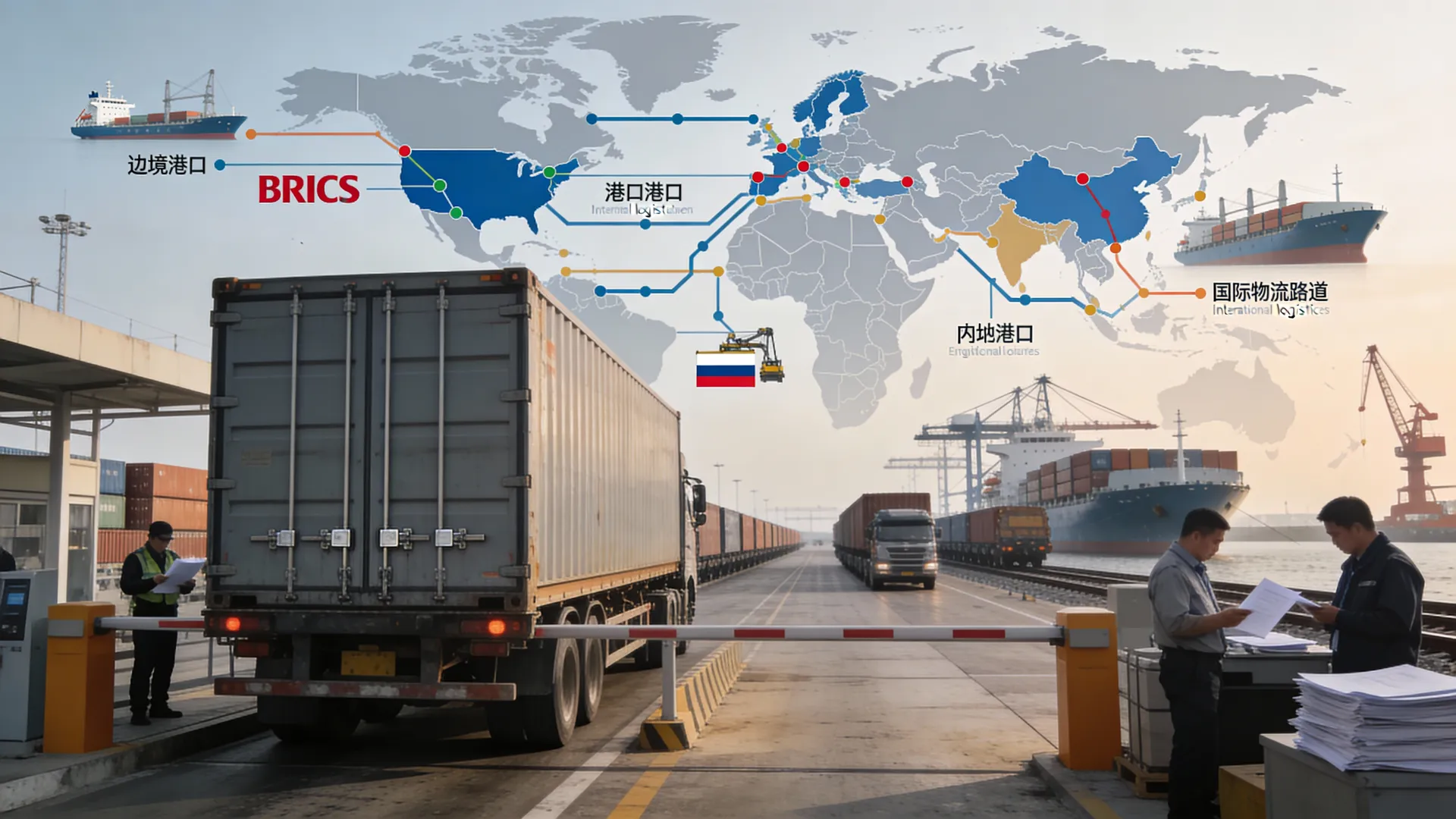
As for international destinations, there is an increase in tariffs of up to 25% against the background of increased costs and difficulties at the borders. Destinations to Kazakhstan, Kyrgyzstan and Turkey are particularly in demand. But even here, downtime, traffic jams and changes in logistics routes significantly complicate the work.
An increase in tariffs does not mean an increase in profits — companies are operating on the verge of profitability. The seasonal surge in activity caused by the preparations for the New Year only temporarily supports the market, but does not solve systemic problems: the high cost of logistics, lack of transport and unpredictable external conditions continue to put pressure on the industry.