Russia is building the transport of the future: The Transarctic Corridor will change logistics between Asia and Europe

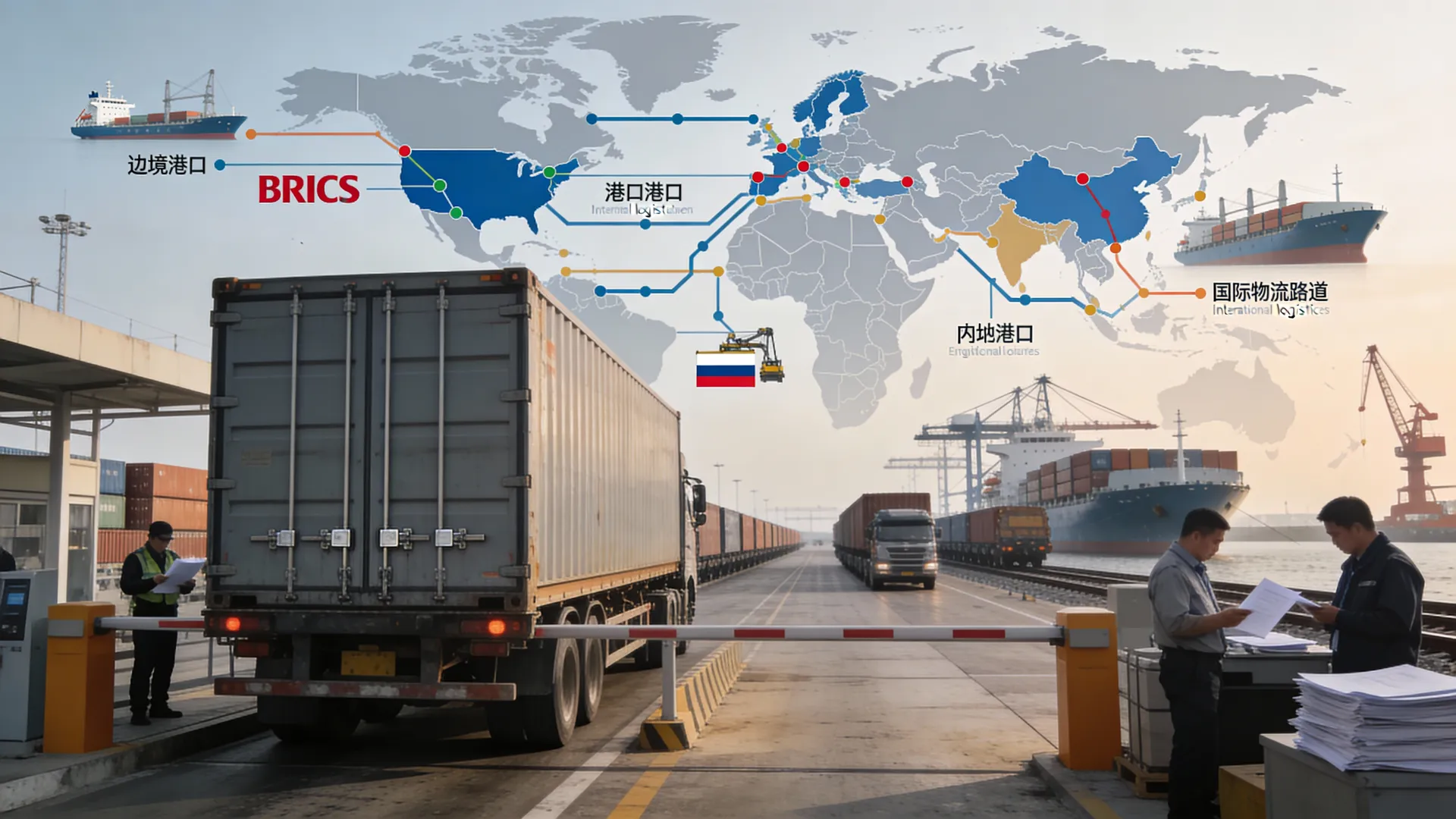
Russia is heading for a large—scale development of Arctic logistics - the Transarctic Transport Corridor project should become an alternative to the Suez Canal and combine sea, rail and automobile routes from St. Petersburg to Vladivostok. It is expected that it will be able to redirect up to 15% of the global cargo flow, saving weeks of shipping time between Asia and Europe.
According to Alexey Chekunkov, Minister for the Development of the Far East and the Arctic, the project will take at least 15 years to complete. At the Eastern Economic Forum, President Vladimir Putin emphasized the importance of a unified system that includes Russia's largest rivers, Arctic ports, and connecting infrastructure.
A key element will be the construction of the North Siberian Railway, which will open access to the Northern Sea Route not only for the Russian regions, but also for Mongolia and China. The planned cargo flow may reach 115 million tons per year. It is also possible to resume the Northern Latitudinal Passage project in the Yamalo-Nenets Autonomous District.
The emphasis is also on the port infrastructure. A deep-water port is planned in Arkhangelsk, capable of receiving ships all year round. Conducting and Pevek in Chukotka are being upgraded, increasing their capacity and navigation time. Yakutia plans to accelerate the construction of Tiksi port.
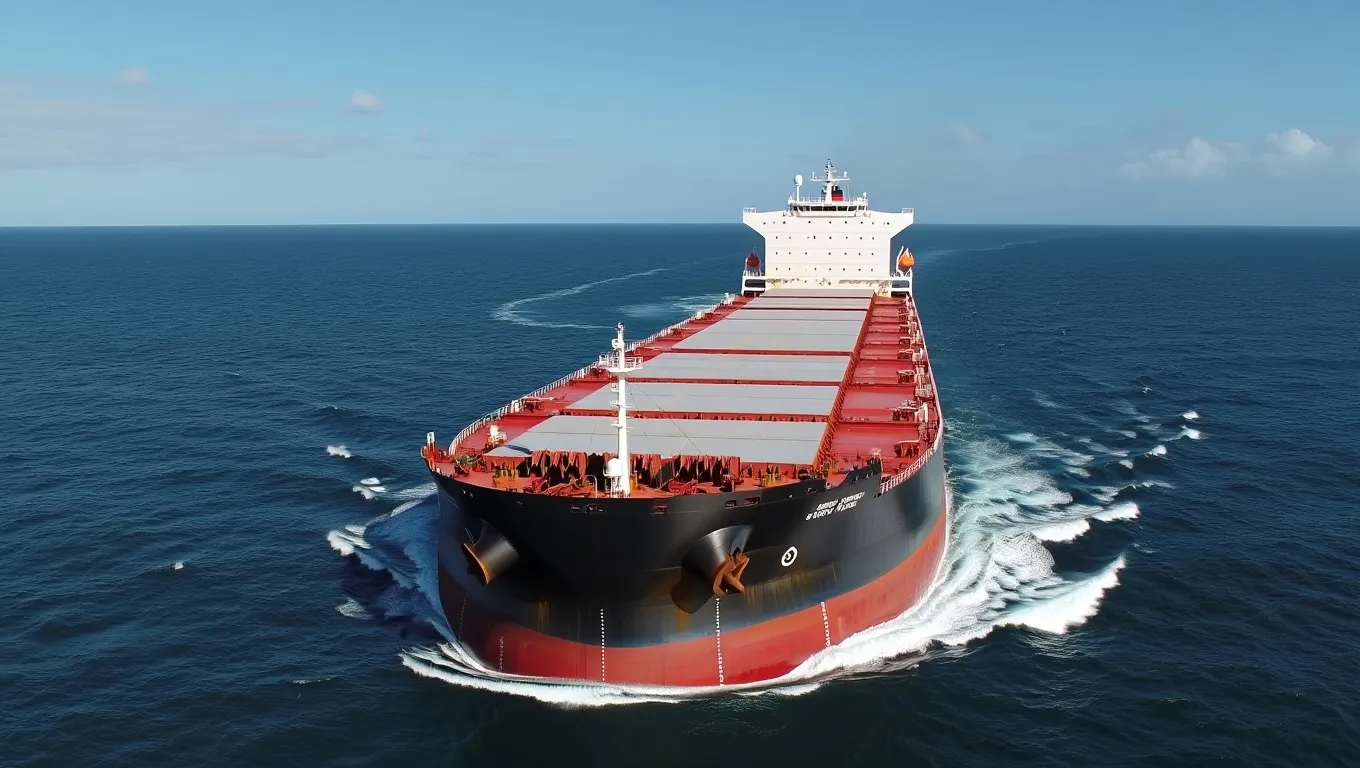
The expansion of the Arctic fleet is essential, from nuclear icebreakers to ice—class container ships. In particular, the joint project of Rosatom and China's New New Shipping already provides for the construction of ARC7 vessels.
The TTC will become not only a logistics route, but also a driver for the development of the Arctic economy. It will allow to transport raw materials, process them on site and increase the added value. The bulk of cargo is coal, oil, gas and Norilsk Nickel products.
The government is counting on the active participation of China, India and the UAE. China has already launched a route through the Northern Sea Route, and in the near future it will send a ship from the port of Ningbo to Europe. The Chinese authorities expressed their willingness to cooperate in the development of Arctic logistics.
Business benefits include reduced taxes, rapid infrastructure support, and assistance in financing. However, it is necessary to create comfortable conditions for specialists, including housing, affordable transport and airport modernization. 14 airfields will be renovated by 2030.
It is estimated that investments in the project will reach 20 trillion rubles by 2035. At the same time, the benefits of the TTC promise to be many times higher: Russia will receive a unique logistics route on a global scale and a lever of influence on global trade.