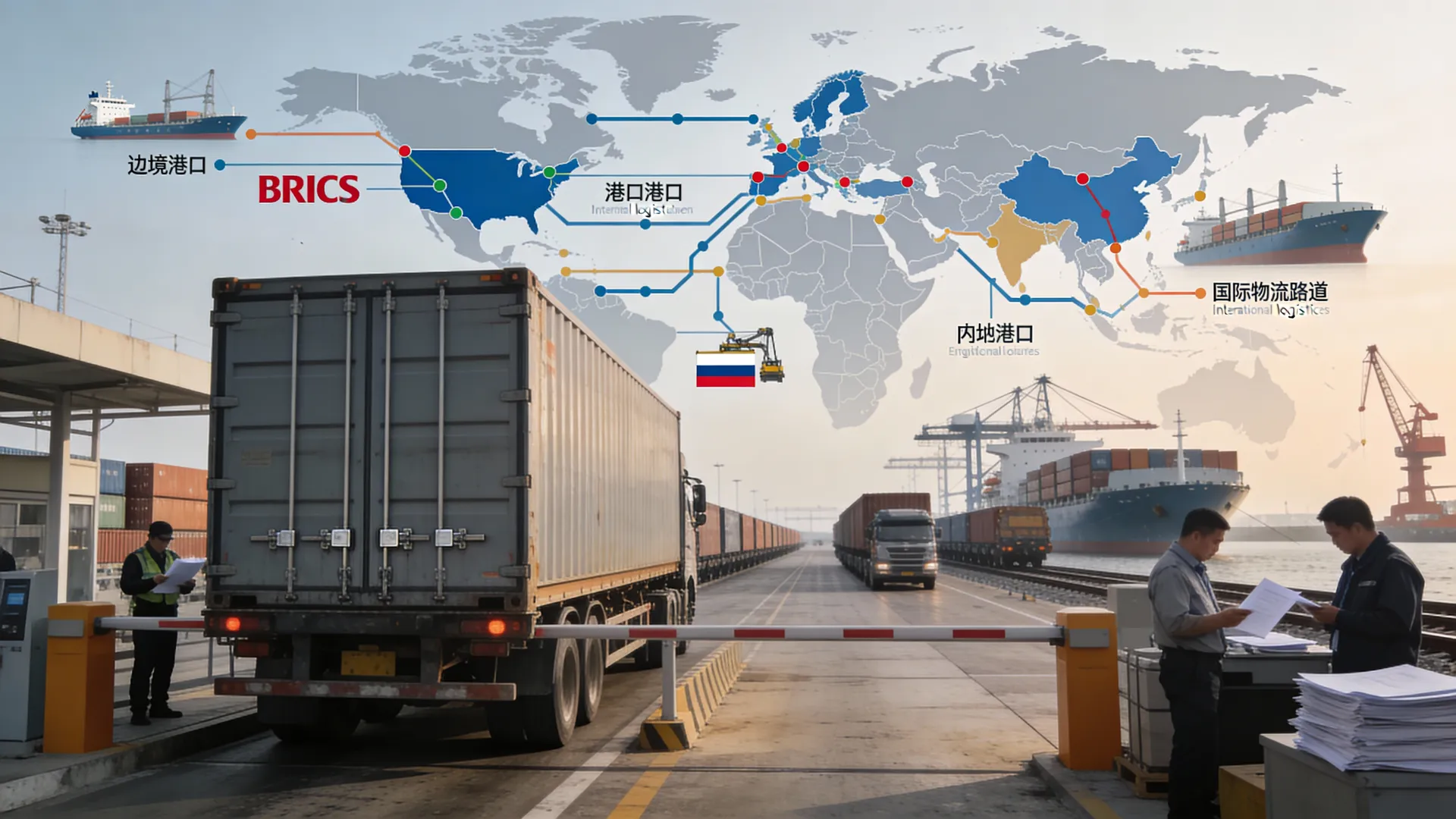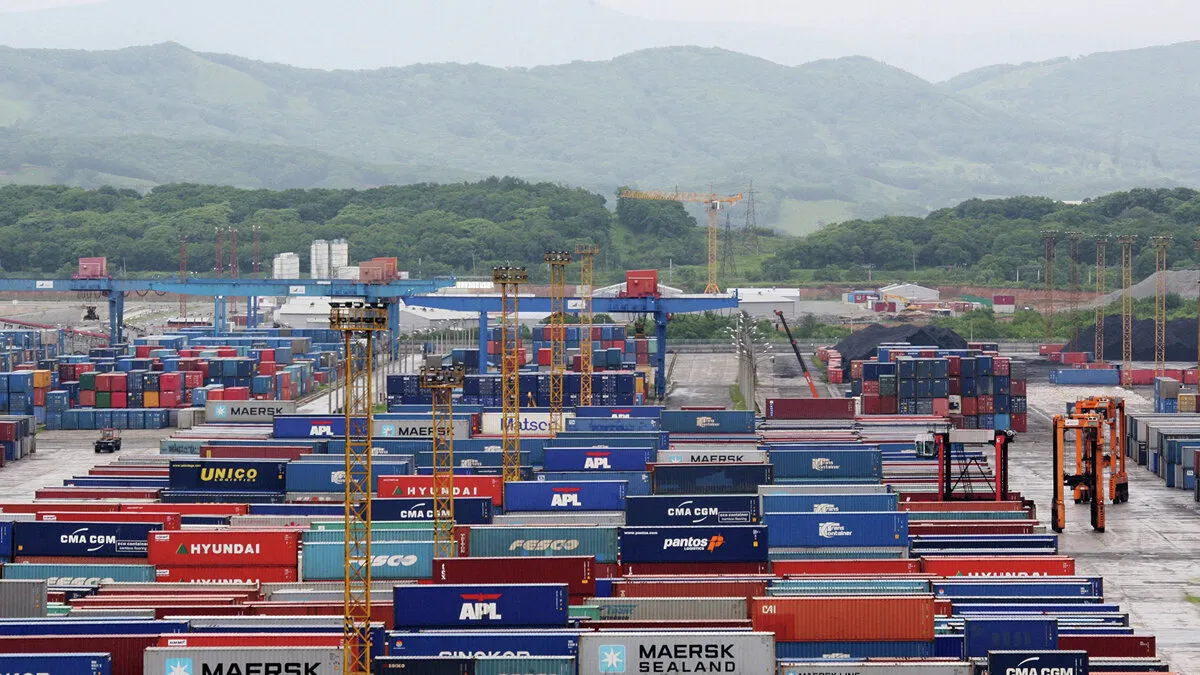
This rapid growth is a continuation of the steady positive trend observed over the past two years. Thus, in 2024, cargo turnover between the states showed unprecedented growth, increasing 2.3 times compared to 2023 and reaching 5.7 million tons. Such figures eloquently indicate that road transport has firmly secured the status of one of the most sought-after and flexible ways of delivering goods in the context of the active development of economic partnership.
To ensure the continued smooth functioning and expansion of logistics corridors, the parties held a working meeting, during which important agreements were reached. Russian and Chinese representatives have agreed to increase the annual number of permits for regular two-way transportation for Russian transport companies. This step is aimed at legalizing and streamlining the growing flow of commercial trucks. Moreover, a mechanism for rapid response to emerging challenges was provided: in the event of a shortage of issued quotas before the end of 2025, the parties agreed on the possibility of exchanging additional permits. This flexible system is designed to prevent any artificial restrictions and ensure smooth commodity exchange.
The active development of road transport is a natural response to the challenges of the time and the growing needs of the economies of the two countries. Compared to other modes of transport, trucking offers a unique combination of speed, maneuverability, and door-to-door delivery capabilities, which is especially critical for perishable goods, machine-building products, and other categories of cargo that require special conditions and strict deadlines.
Increasing the capacity of border checkpoints, upgrading highways leading to key logistics hubs, and synchronizing customs procedures — all these factors combine to create a favorable environment for further volume increases. The steady growth of cargo traffic not only strengthens trade and economic ties, but also makes a significant contribution to the development of border regions, creating new jobs and stimulating the development of related infrastructure.
Thus, current statistics and regulatory measures taken indicate that road transport between Russia and China will continue to play a pivotal role in strengthening the bilateral partnership, demonstrating high adaptability to market needs.