Tatiana Patuzhnaya, co-founder of SIGMA logistics company, notes: attractive tariffs on the market often turn out to be incomplete. Some young companies, fighting for market share, deliberately lower prices, not including in the calculation a lot of mandatory expenses — rental of transport, customs clearance, loading and escort. As a result, the client receives not the final cost, but the base rate, to which tens of percent of additional costs are then added.
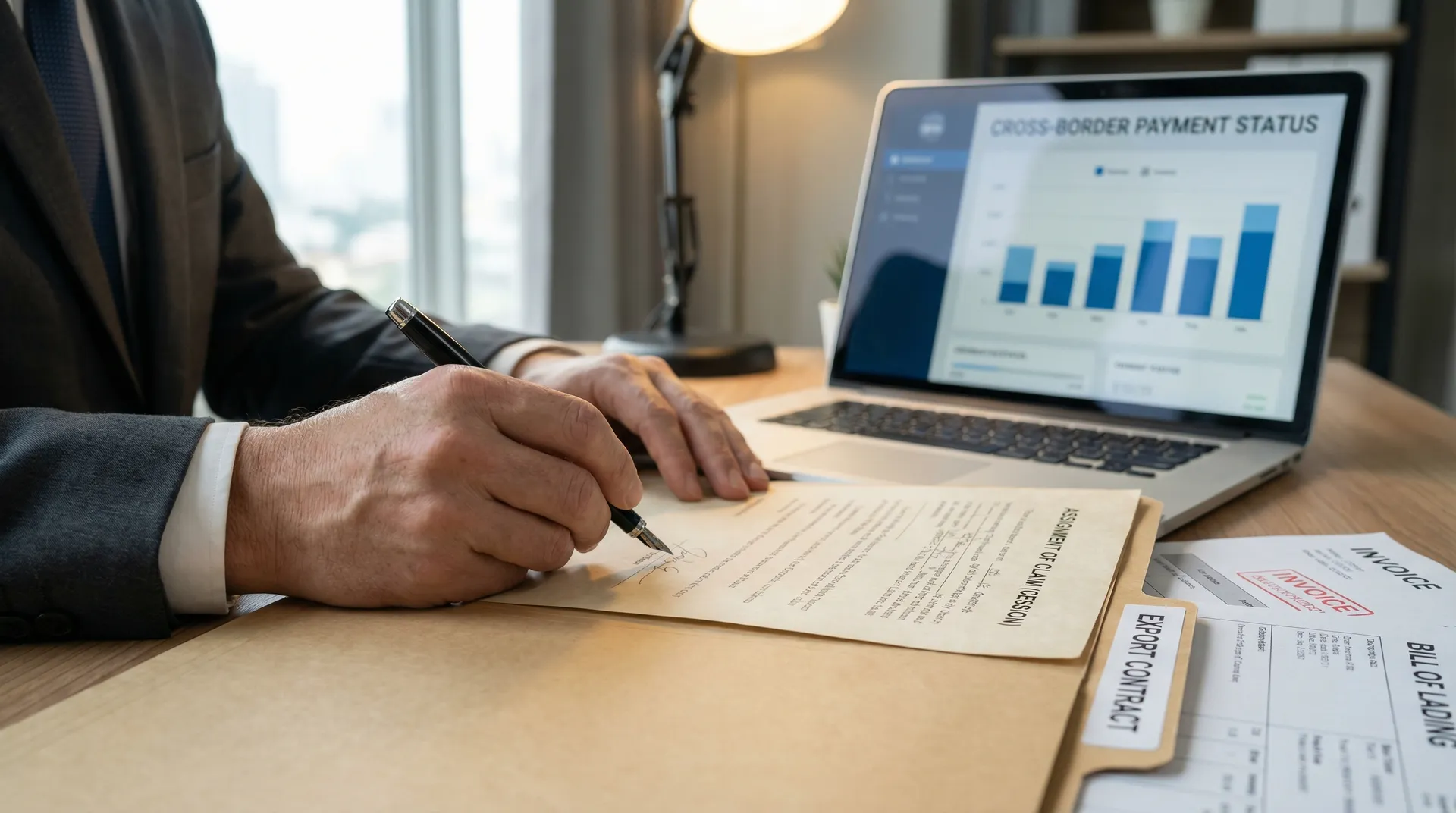
It is particularly worth paying attention to the practice of postponing payments. Many customers require payment with a delay of up to 90 days, not realizing that the cost of the service already includes additional interest for the "financial break." This can add up to 20% to the price of the logistics service.
But it's not even the money that matters. The low cost often hides a lack of experience or a weak partner network of the carrier. In case of failures, such companies are unable to respond quickly: delivery is delayed, production is idle, fines arise, and the business loses a customer or reputation. This turns the savings into a real threat to the stability of the company.
To objectively assess the risks, it is important to take into account not only the kilometers of the route, but also the possible cost of failure. This includes downtime, fines, unforeseen expenses, lost profits, reputational losses, and even the cost of logistics urgently looking for a way out of the situation. The total "cost of failure" can be many times higher than the difference between a cheap and expensive offer.
The solution is to choose not by price, but by reliability. Companies that value transparency describe the tariff structure in detail, warn about possible costs and are ready to guarantee the result. Such a partner takes risks into account in advance and sets routes in such a way as to minimize the likelihood of failures.
Thus, smart logistics is not a game of minimum stakes, but a strategic approach in which stability, safety and accuracy come first. Companies that choose routes, not just prices, end up with the main advantage of predictable supplies and confidence in the result.