The key signal is the horizon of 2026-2027: it is during this period that the regulator intends to advance the development and implementation of standards for institutional VASPs so that the system becomes mature and manageable by 2027. This logic is clear: infrastructure players create systemic risks — operational, technological, and compliance risks - that, in the event of a failure, are "transferred" to corporate settlements, export—import chains, and banking services.
An explanation of the reasons why the institutional VASP block was not placed in the first queue is indicative. The deputy head of the relevant department of the Central Bank of Brazil, Antonio Marcos Guimaraes, described the technological complexity of this segment in a public broadcast.:
"One of the reasons for the delay was that the activities of such companies are highly complex: there is no classic brokerage model between them, and settlements take place through decentralized private networks."
This quote is about the reality of the B2B market: many calculations do not take place through the usual stock exchange "glass" model, but through closed networks, multi—signature, limit policies, private liquidity channels and complex roles of participants. In such circuits, risk control is structured differently: it is not the "transaction price for the client" that is more important, but the stability of keys, asset segregation, continuity of operations, logging, monitoring and compliance with AML requirements.
A separate practical marker is 270 days for disclosure of information about activities after approval of the authorization criteria. In fact, this is a compliance window: companies will have to quickly "package" processes, ownership structure, risk management, audit, KYC/AML procedures and technical specifications in a format understandable to supervision.
Brazil is one of the growth centers of settlements in Latin America, and business interest in stablecoins and tokenized instruments is fueled by the challenges of cross—border payments, hedging currency volatility, and speeding up document flow in shipments. When the regulator reaches the infrastructure level, it actually creates a trusted layer for corporate payments and digital assets.: This increases predictability for importers/exporters, correspondent banks, and logistics operators who rely on stable payment windows.
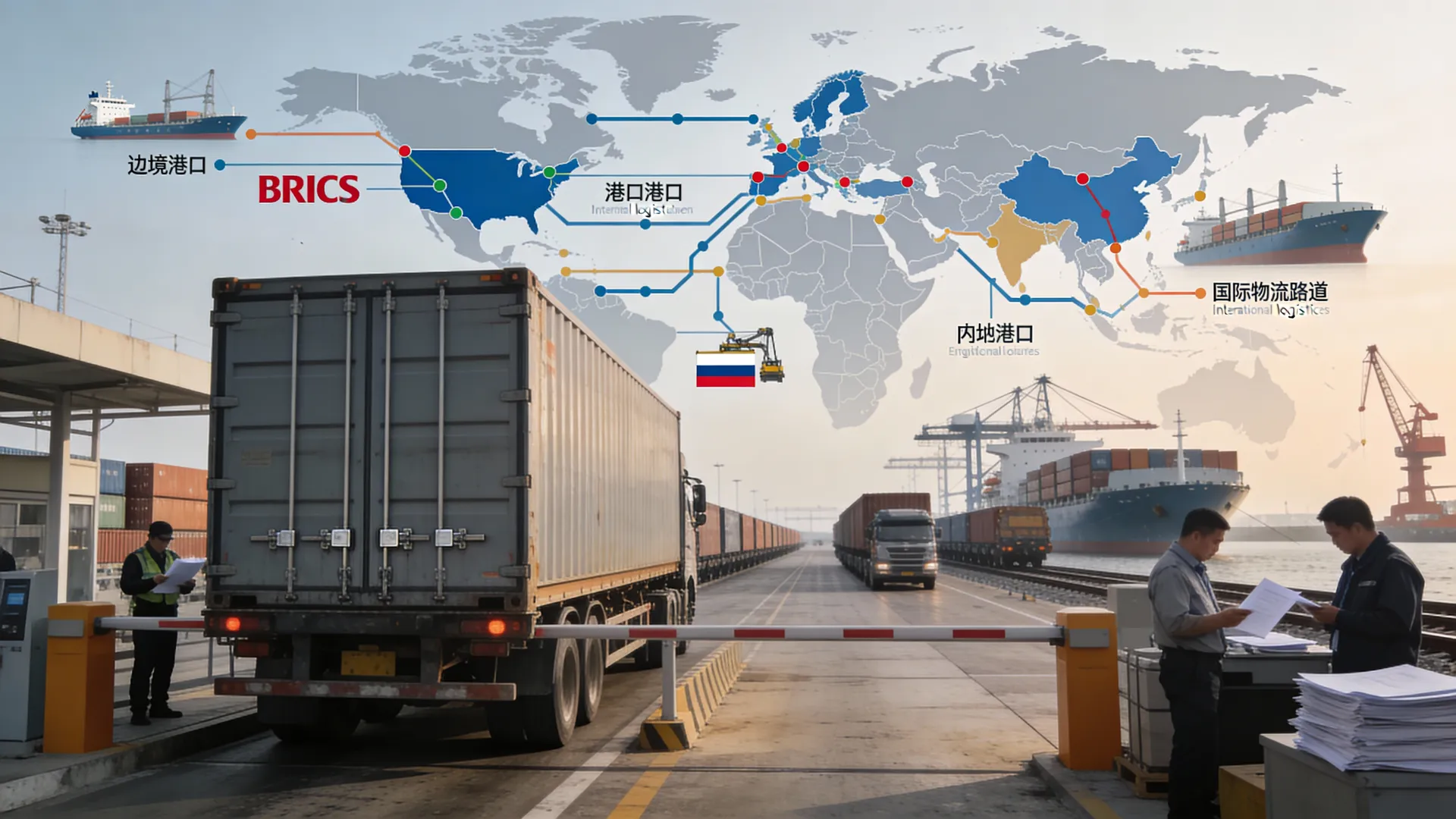
For the market, this means a fork in the road. Large providers with strong compliance and a transparent operating model will strengthen their positions, and players who have lived on flexibility and "gray" integrations will either have to legalize processes or move to less regulated jurisdictions. The result will be a more "banking" profile of the industry, with less tolerance for operational risks, but also with a greater chance of scaling in corporate settlements, including trading scenarios with BRICS partners.