The Central Bank is preparing rules for cryptocurrencies in foreign economic activity: legalization or control?

The Central Bank of Russia, together with the Ministry of Finance and Rosfinmonitoring, has begun developing mechanisms for regulating the use of cryptocurrencies in the field of foreign economic activity (FEA). According to Vladimir Chistyukhin, first deputy chairman of the Central Bank, an experimental legal regime is planned for the near future, which will allow legalizing settlements using digital assets between Russian companies and foreign partners.
To date, many enterprises have already used cryptocurrencies in parallel import transactions, bypassing sanctions and Western financial systems. However, according to analysts, the lack of a regulatory framework creates legal risks and limits the scope of application. The new approach will make these operations more legal, making them more transparent and manageable.
Regulators have proposed a three-tier control system, including licensing of operators, mandatory reporting on the nature and volume of operations, as well as mandatory identification of participants. Only accredited banks and financial organizations will be able to conduct transactions, and data on transactions will be available to Rosfinmonitoring.
The key goal is to reduce dependence on the dollar and Western payment systems, as well as strengthen the country's financial independence. Cryptocurrencies give companies the opportunity to conduct instant transactions with minimal costs, which is especially important for trading with friendly countries.
Experts emphasize that we are talking exclusively about foreign economic settlements between legal entities. Internal transactions between residents of the Russian Federation in cryptocurrencies will remain prohibited. In addition, the possibility of introducing taxation mechanisms, creating self-regulatory organizations and tightening control over customer information is being considered in the future.
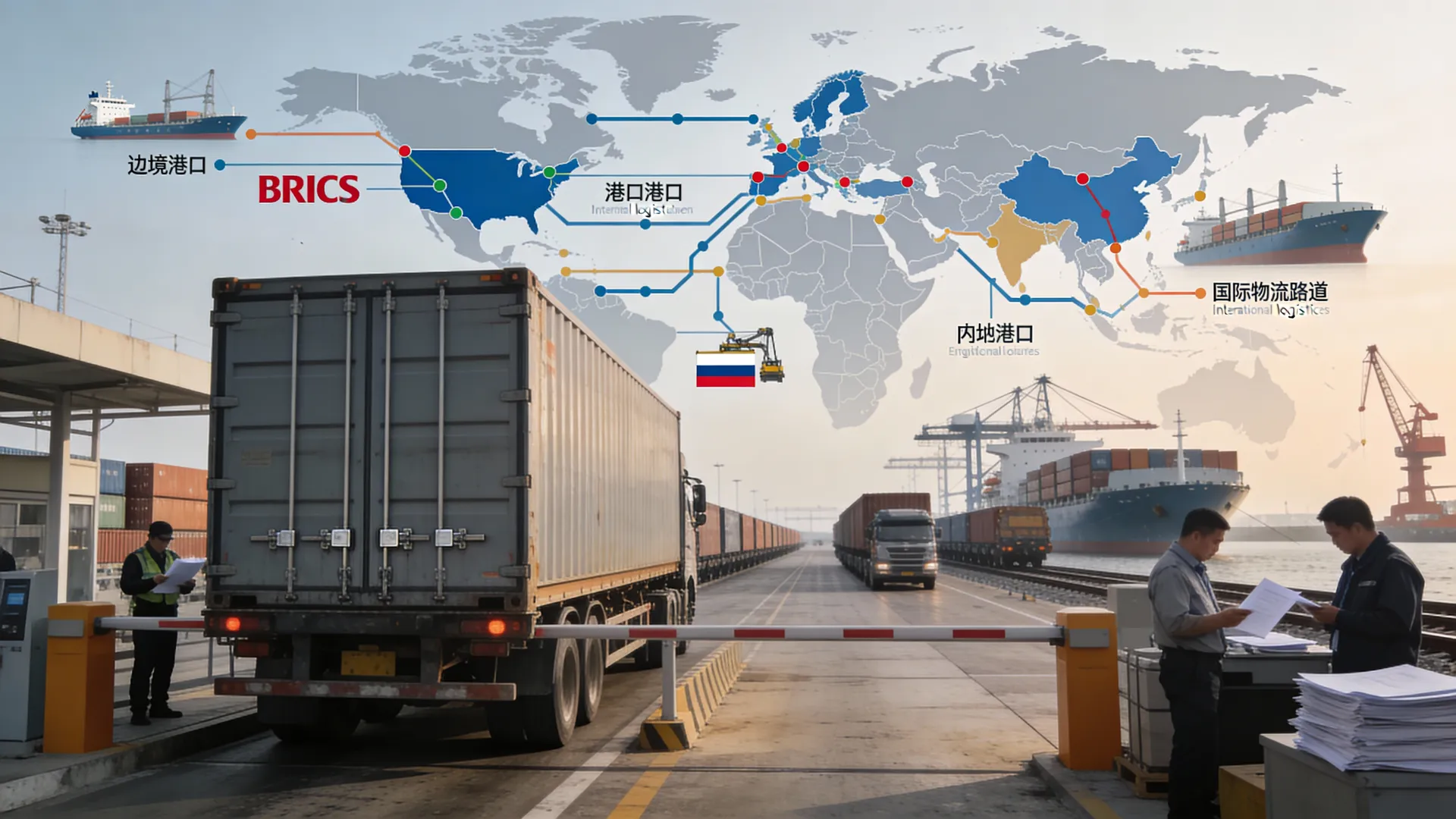
As infrastructure evolves — including the introduction of DeFi, stablecoins, and AI — digital assets can become a powerful tool in international trade. Russia intends to move in this direction by cooperating with the BRICS members and developing a digital alternative to traditional currencies.