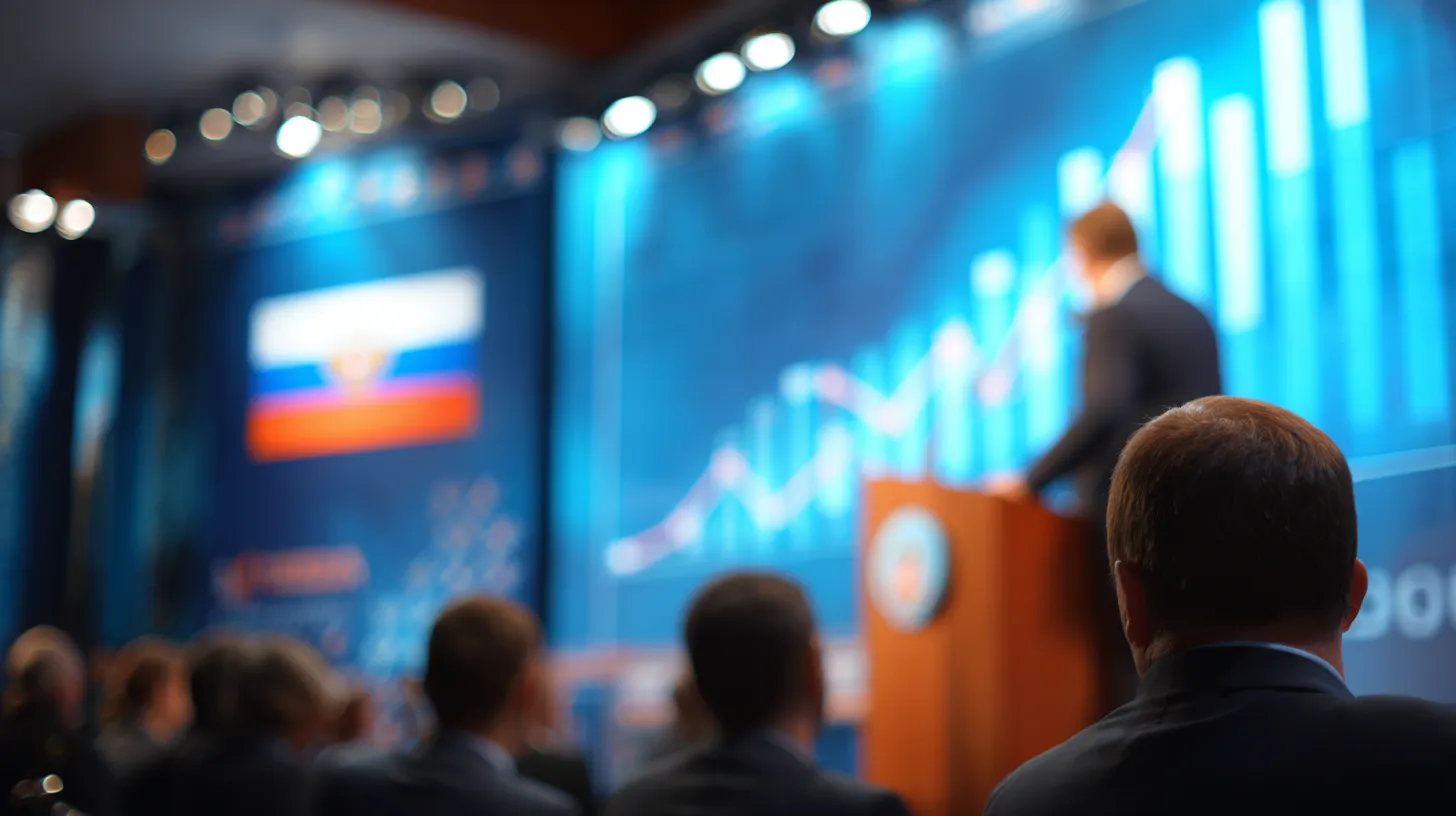
At the plenary session of the Made in Russia forum, Prime Minister Mikhail Mishustin said that the share of the ruble in payments for export goods and services exceeded 50 percent. According to him, such an achievement strengthens the Russian economy, stimulates the development of the investment environment and contributes to the growth of business activity in the country.
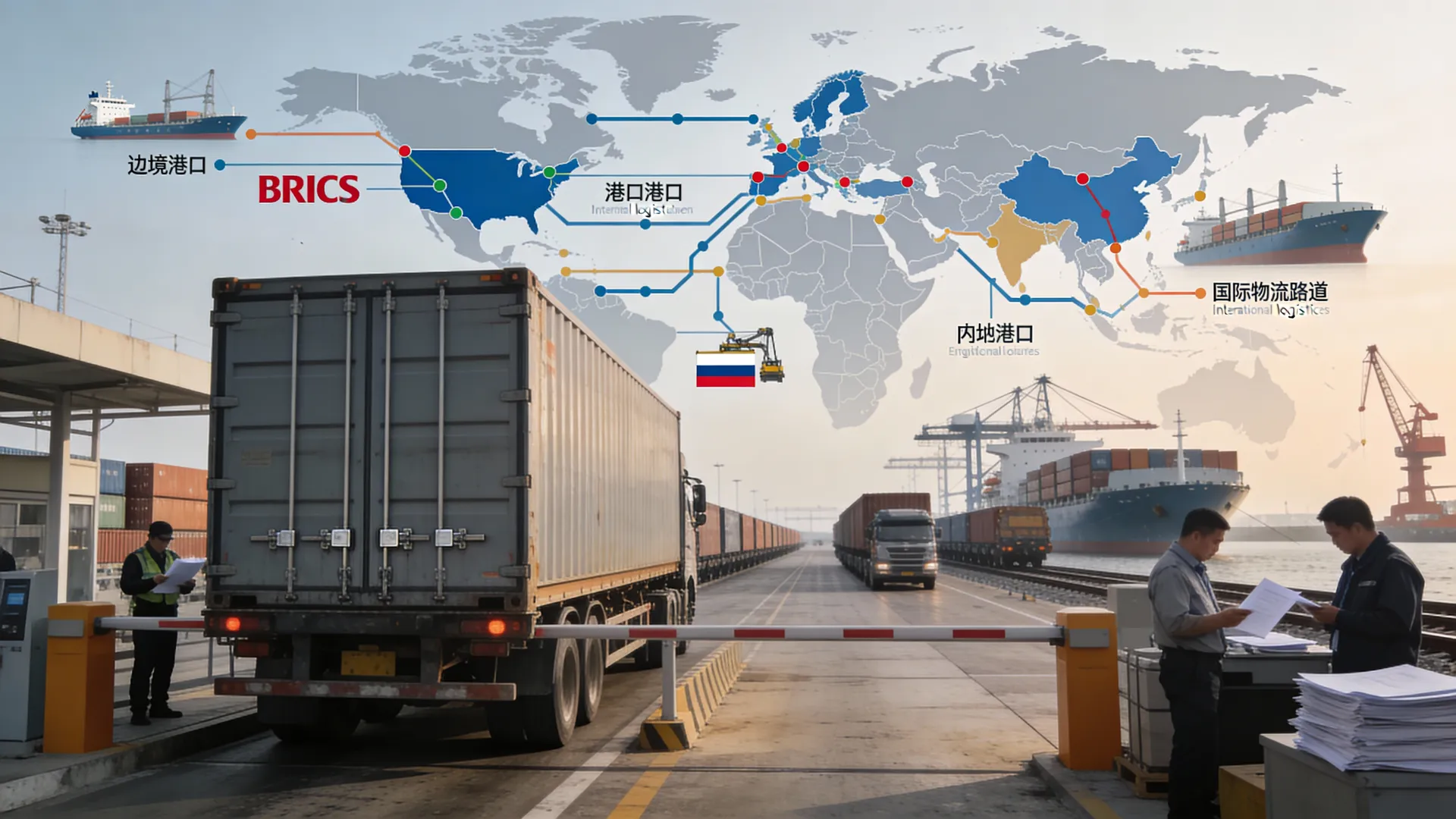
Addressing the forum participants, the head of government stressed that Russia remains open to constructive dialogue and is ready to cooperate with international partners on a mutually beneficial basis. In the context of global changes, Moscow continues its strategic reorientation towards the countries of the Eurasian Economic Union, the CIS, BRICS, the SCO, as well as the states of Asia, Latin America and Africa.
Mishustin noted that strengthening the role of the national currency in international trade reduces dependence on unfriendly financial systems, minimizes external risks and opens up opportunities for scaling up export operations. This is especially true against the background of the growth of industrial exports, which, according to official data, has increased by 20 percent in recent months.
The course towards de-dollarization is supported not only by government initiatives, but also by the demand from the business community, focused on stable and predictable conditions for foreign economic activity. The growing role of the ruble in settlements is one of the signs of the emerging multipolar financial architecture, in which Russia is playing an increasingly active role.
The results of the Made in Russia forum emphasize that the reliance on the national currency in export policy is becoming not just a necessary measure, but a strategic direction. In the new economic realities, the strengthening of the ruble on the global stage is an important step towards financial sovereignty.