PIX has overtaken cards in Brazil — the SBP analogue has become the main payment method in e-commerce

Brazil has done what many thought was impossible in a large Latin American economy: it has created a state-owned payment system that has replaced cards as the main online payment tool in three years.
PIX was launched in November 2020. By 2026, the system has become the dominant payment method in e-commerce, overtaking bank cards, which remain available from 98.3% of online retailers, and traditional boletos — paper payment receipts. The reason is straightforward: PIX works instantly 24/7, with no fees for the end user and no delay on the seller's side.
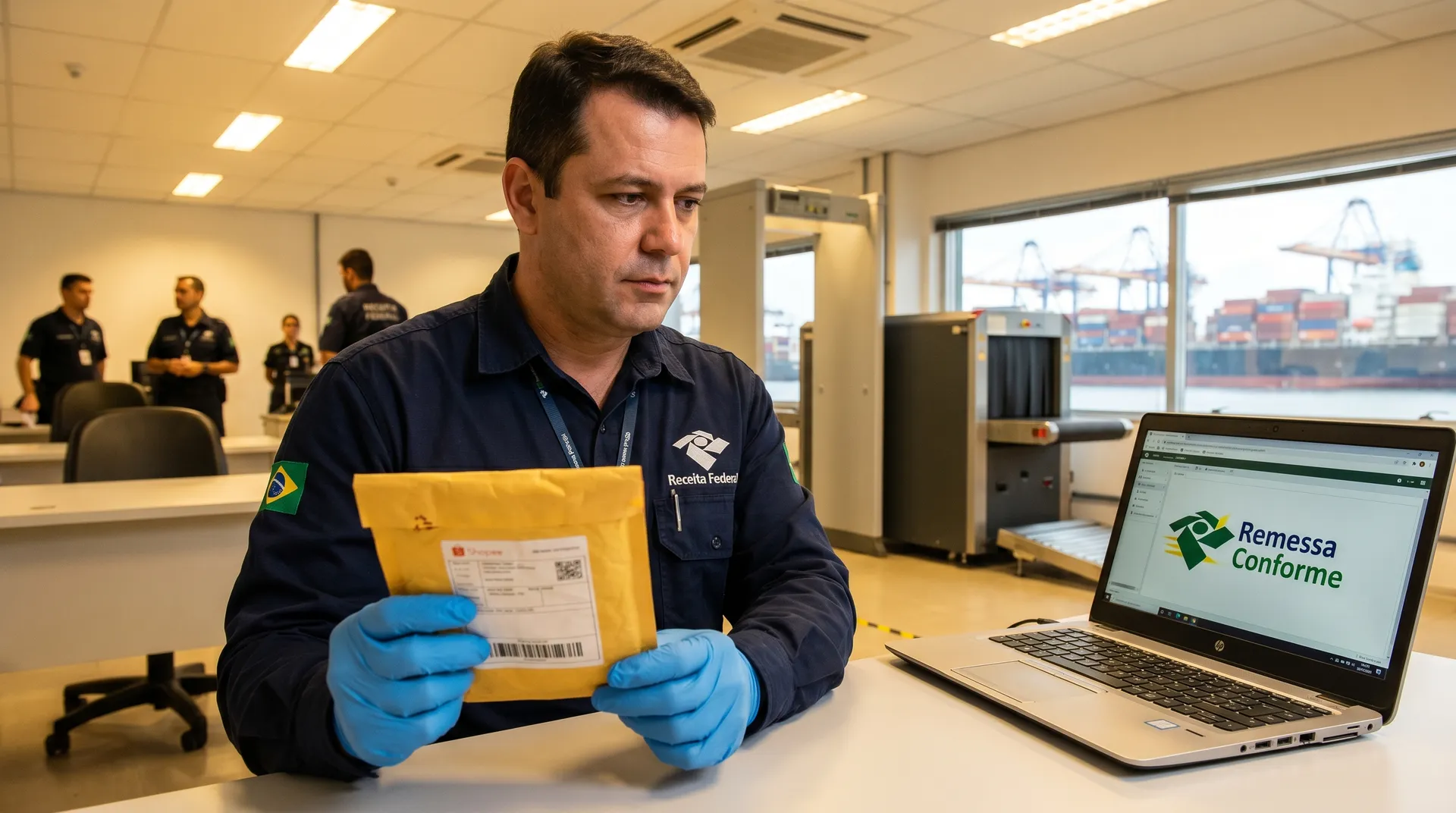
Mercado Livre, Brazil's largest marketplace, has integrated PIX as the primary payment method through its Mercado Pago financial platform. Luiza Magazine and Lojas Renner did the same. For the buyer, payment via PIX is a QR code scan and an instant debit from the account. No card data, no delays.
In parallel, the Central Bank of Brazil is working on the next step: the DREX digital currency. At the September BRICS summit, it is planned to discuss the technical integration of DREX with the digital yuan of China and the e-Rupee of India — that is, to actually create a payment bridge within the block, bypassing SWIFT and the dollar system.
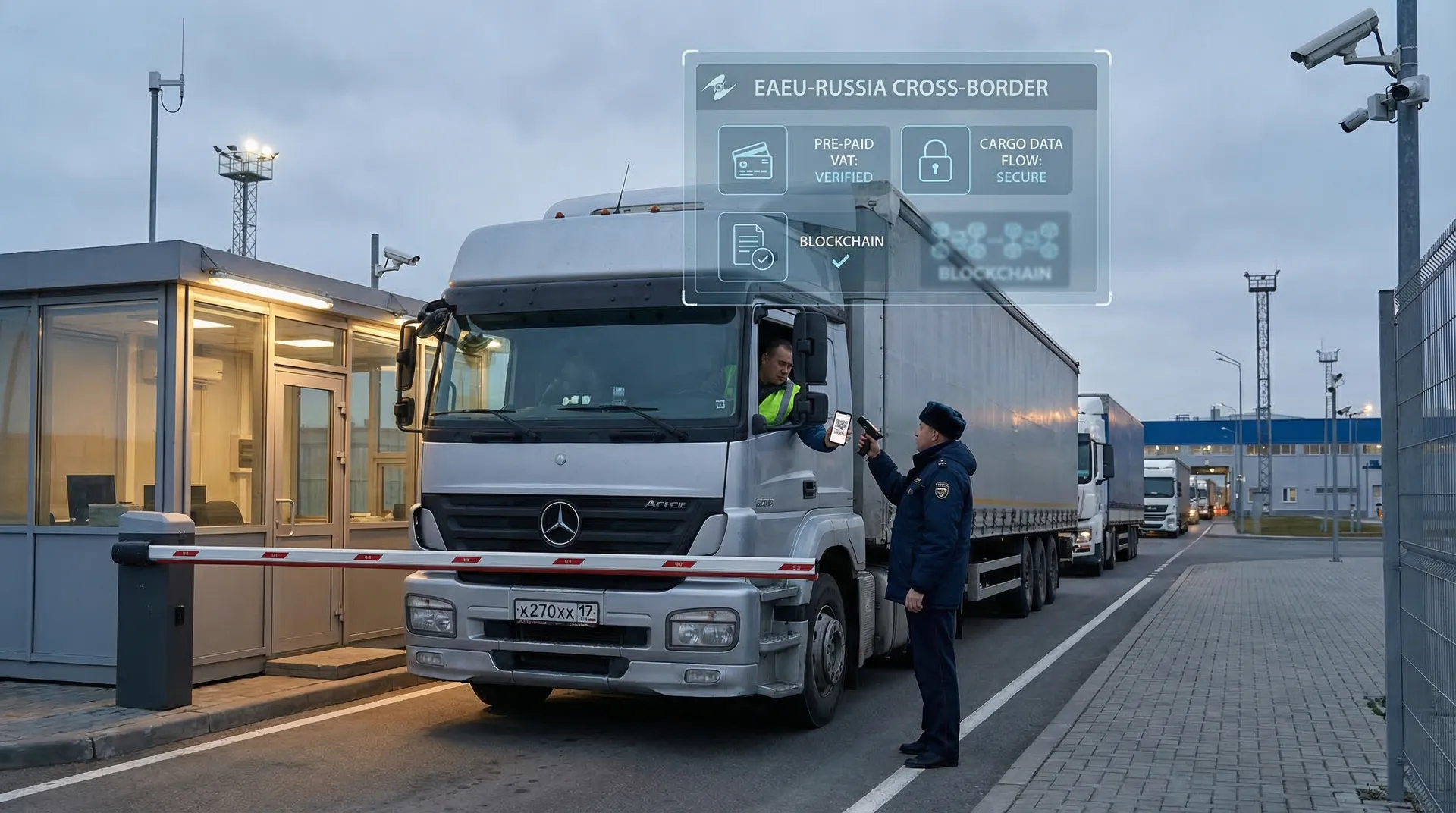
For Russian businesses working with Brazil, PIX is a benchmark. SBP in Russia operates according to the same logic and covers comparable functionality. The transition of both countries to state-owned instant payment systems creates a technical basis for direct settlements between Russian and Brazilian partners in national currencies, bypassing correspondent banks.