The strengthening of the Chinese yuan creates additional advantages for the Russian economy, primarily for exporters and the state budget. The growth of the yuan exchange rate directly affects the volume of export revenue that Russian companies receive in ruble terms when settling accounts with Chinese counterparties.
As Kirill Lysenko, an analyst on sovereign and regional ratings, explains, the key effect is the exchange rate revaluation of export earnings.
"The stronger the yuan, the greater the export revenue of the Russian Federation in ruble terms. Accordingly, exporting companies and the budget feel more comfortable," he said, commenting on the impact of the currency factor on trade between the two countries.
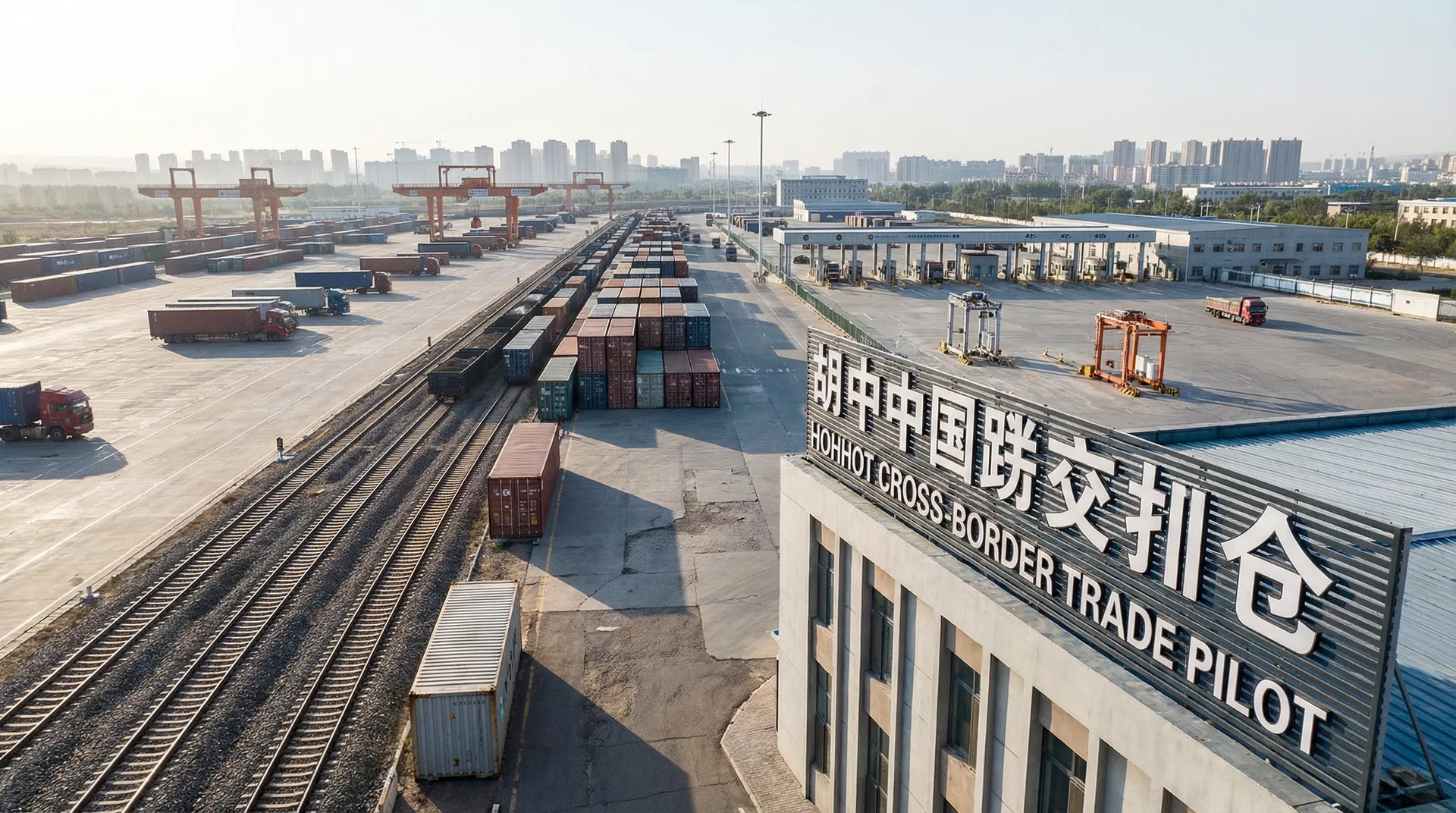
China remains one of Russia's largest trading partners. According to customs statistics, in November, the trade turnover between the two countries amounted to $ 20.381 billion. At the same time, Russia supplied $10.835 billion worth of products to China, and imports from China to Russia reached $9.546 billion. In the first 11 months of this year, the total volume of trade exceeded $203.6 billion, which confirms the stability of bilateral economic ties.
Last year, the trade turnover between the two countries reached a record $ 244.8 billion, showing an increase compared to the previous period. A significant role in this is played by the almost complete transition to settlements in national currencies. As previously noted at the level of financial departments, about 99.1% of mutual settlements between Russia and China are carried out in yuan and rubles.
In these circumstances, the strengthening of the Chinese currency becomes strategically important. Today, the yuan is one of the key foreign currencies for Russian foreign economic transactions, along with the dollar and the euro. However, unlike Western currencies, settlements in yuan are less susceptible to sanctions risks and restrictions on cross-border payments.
For Russian exporters supplying energy, metals, agricultural products, and chemical products, a stronger yuan means an increase in ruble revenue without a change in physical supply volumes. This reduces the pressure on business margins and partially compensates for fluctuations in global prices.
An additional effect is also evident for the budget: an increase in ruble revenues from export operations improves fiscal performance and reduces dependence on domestic borrowing. In the context of the active development of trade with China, the exchange rate of the yuan is becoming an important macroeconomic factor for Russia.
Thus, the strengthening of the Chinese currency strengthens the financial stability of export-oriented industries and confirms the importance of the yuan as a key settlement instrument in the framework of Russian-Chinese trade.