China continues to demonstrate the stability of its foreign trade activities, despite the volatility of the global economy. According to the General Administration of Customs, in January–November 2025, the total volume of imports and exports amounted to 41.21 trillion yuan, an increase of 3.6 percent compared to the same period last year. The growth in November reached 4.1 percent year-on-year, which confirms the stable development of trade and the expansion of China's position in global markets.
Exports maintained dynamic growth, increasing by 6.2 percent to 24.46 trillion yuan. Imports, in turn, showed a moderate increase of 0.2 percent, reaching 16.75 trillion yuan. The current structure of foreign trade confirms the strategic shift of the Chinese economy towards the production of high-tech products. The key driver of exports was the mechanical engineering and electrical engineering sector. In 11 months, the volume of shipments in this category reached 14.89 trillion yuan, accounting for 60.9 percent of total exports.
At the same time, the share of labor-intensive products is decreasing: their exports decreased by 3.5 percent and amounted to 3.7 trillion yuan, or 15.1 percent of the total volume. Experts attribute this to China's ongoing transition to a more high-tech production model, where the added value is significantly higher.
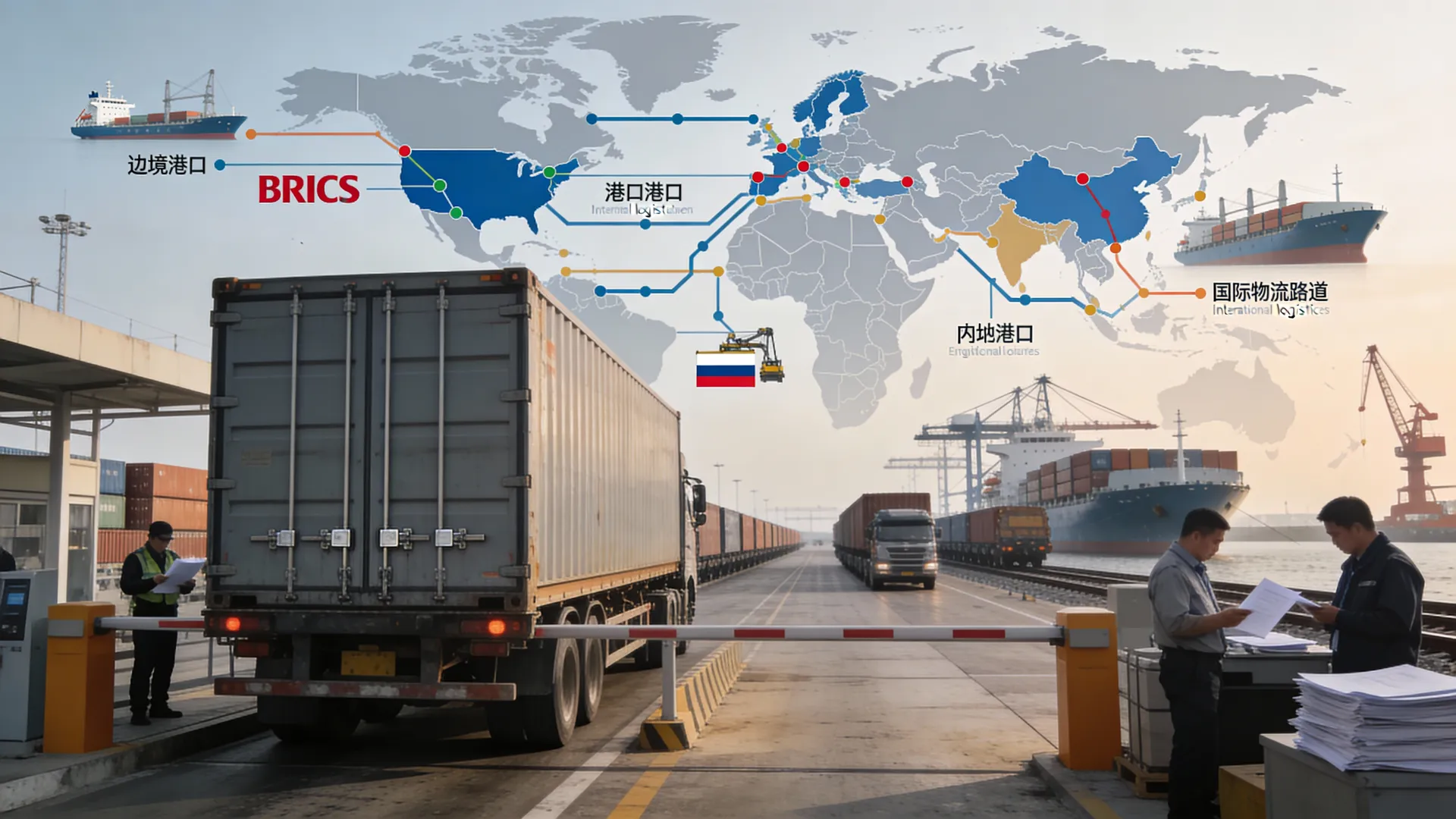
Particular attention is being paid to the growth of trade operations with the countries of the "One Belt, One Road" initiative. The mutual trade turnover reached 21.33 trillion yuan, or 51.8 percent of China's total foreign trade, which is 6.2 percent higher than last year. This indicates the strengthening of regional economic ties and the expansion of logistics routes, which ensure a more stable demand for Chinese goods.
By the end of 2025, China is demonstrating its ability to flexibly adapt to changes in the global environment. The growth in exports of electrical equipment, high-tech products and active trade with the countries of the Eurasian space confirm the strategic reorientation of the economy towards innovation and infrastructural development. At the same time, a moderate increase in imports indicates the preservation of domestic demand and the stable operation of the manufacturing sector.
China is consolidating its status as a key player in global trade, and its trade remains an important indicator of the state of global logistics chains and demand for industrial products.