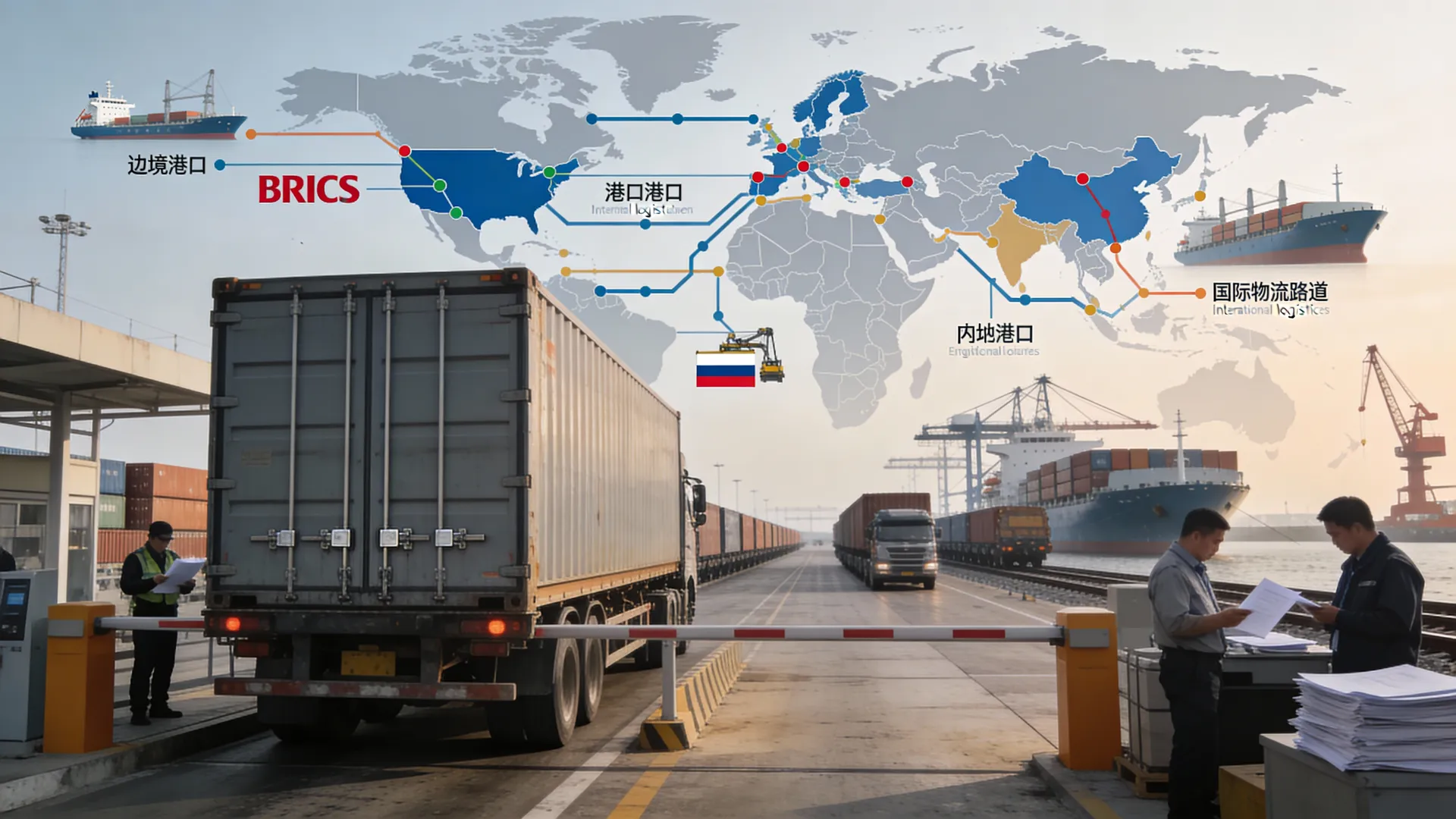
Since the beginning of October 2025, carriers delivering goods from China to Russia via Kazakhstan have faced unprecedented delays. Thousands of trucks are waiting to cross the border. The main hub where the traffic jam is concentrated is the Dostyk border crossing./Alashankou". According to drivers and logisticians, downtime can reach two weeks, and the inspection procedure itself is delayed for 7 days or more.
The reason for the crisis, according to market participants, was the intensified fight against gray imports. The area of special attention includes combined cargoes, which combine goods from different suppliers, issued according to one declaration. Such schemes are increasingly becoming the object of close attention of the customs services, which causes mass inspections.
In addition, the situation was aggravated by the celebration of the national holiday in China in early October, when the Alashankou checkpoint was not functioning at all. As a result, the congestion of freight transport has become critical.
According to official information from the Federal Customs Service of Russia, the checkpoints are operating normally, and the checks themselves are carried out by mobile groups outside the border. Nevertheless, businesses are recording massive delays and noting rising prices for rail transportation. According to some reports, the cost of delivery has increased by at least $ 300, and the travel time has reached 30 days.
Experts believe that the tightening of controls is related both to Russia's domestic policy to combat shadow shipments and to the digitalization of logistics — since the end of June, registration on the Gosuslugi portal has become mandatory for foreign carriers.
Apart from the customs aspects, there are clearly geopolitical risks in the story. Kazakhstan, fearing secondary sanctions from the West, may unofficially tighten transit controls. Despite the assurances of the authorities about their commitment to neutrality, business is feeling real pressure.
In addition to sanctioned goods, shipments with electronics, machinery and dual-use products are subject to inspection. This directly affects the cost of logistics, delivery time, and predictability of business processes for Russian importers.