Russia and India are rapidly expanding economic cooperation, and experts believe that the goal of bringing mutual trade to the level of $100 billion by 2030 is achievable. Today, this figure exceeds $60 billion and, according to the Russian leadership, is steadily moving towards $70 billion. However, achieving this ambitious goal will require structural changes in trade flows, expansion of the range of supplies and growth of Indian exports in high-tech segments.
Alexey Kupriyanov, head of South Asia and the Indian Ocean at IMEMO RAS, notes: "The prospects of reaching a trade volume of $ 100 billion are real, but much will depend on the sanctions context and the ability to diversify trade, especially by increasing exports of heavy industry and high-tech products from India." According to him, today the structure of bilateral trade is unbalanced — Russia has significantly increased energy supplies, while Indian exports are still growing moderately.
The growth of consumer demand for Indian goods is clearly visible in online retail. Groceries, tea, spices, snacks, as well as goods for school, home, and household chemicals became the most in demand. At the same time, the company emphasizes that cross-border trade remains an additional area, and Russian sellers form the key sales volume.
Kristina Topalova, a representative of Ozon, said: "In the first nine months of 2025, the number of Indian-made goods on the site increased by 47% and exceeded one million items."
Other marketplaces record similar dynamics. Robert Mirzoyan, head of the combined Wildberries & Russ company, said at a business forum in New Delhi: "We expect sales of Indian goods to exceed $136 million by the end of 2025." This reflects the growing needs of the Russian market and the strengthening of logistics ties.
The increase in imports of Indian textiles is particularly noticeable. Soyuzlegprom President Andrey Razbrodin explained that India's share in Russian textile imports has reached 12-14%, making it the second most important supplier after China. According to him, the demand for premium cotton and blended fabrics has grown by 30-35% over the past two years, and interest in home textiles is increasing by 15-20% annually.
The Russian government is actively inviting Indian businesses to expand their presence. At the forum in New Delhi, Maxim Reshetnikov, Head of the Ministry of Economic Development, stressed: "The entry of Indian manufacturers into marketplaces will open direct access to millions of buyers in Russia and neighboring countries." He noted that Russian sites are actively expanding the geography of their work, which creates additional export opportunities.
Maxim Oreshkin, Deputy Head of the presidential Administration, said it was necessary to increase the volume of supplies from India: "India's export opportunities to Russia are not being used enough." He stressed that the goal of reaching a trade turnover of $ 100 billion requires a change in the structure of flows, greater Indian participation in the supply of industrial products, IT solutions, pharmaceuticals and equipment.
Experts note that the key growth factors will be:
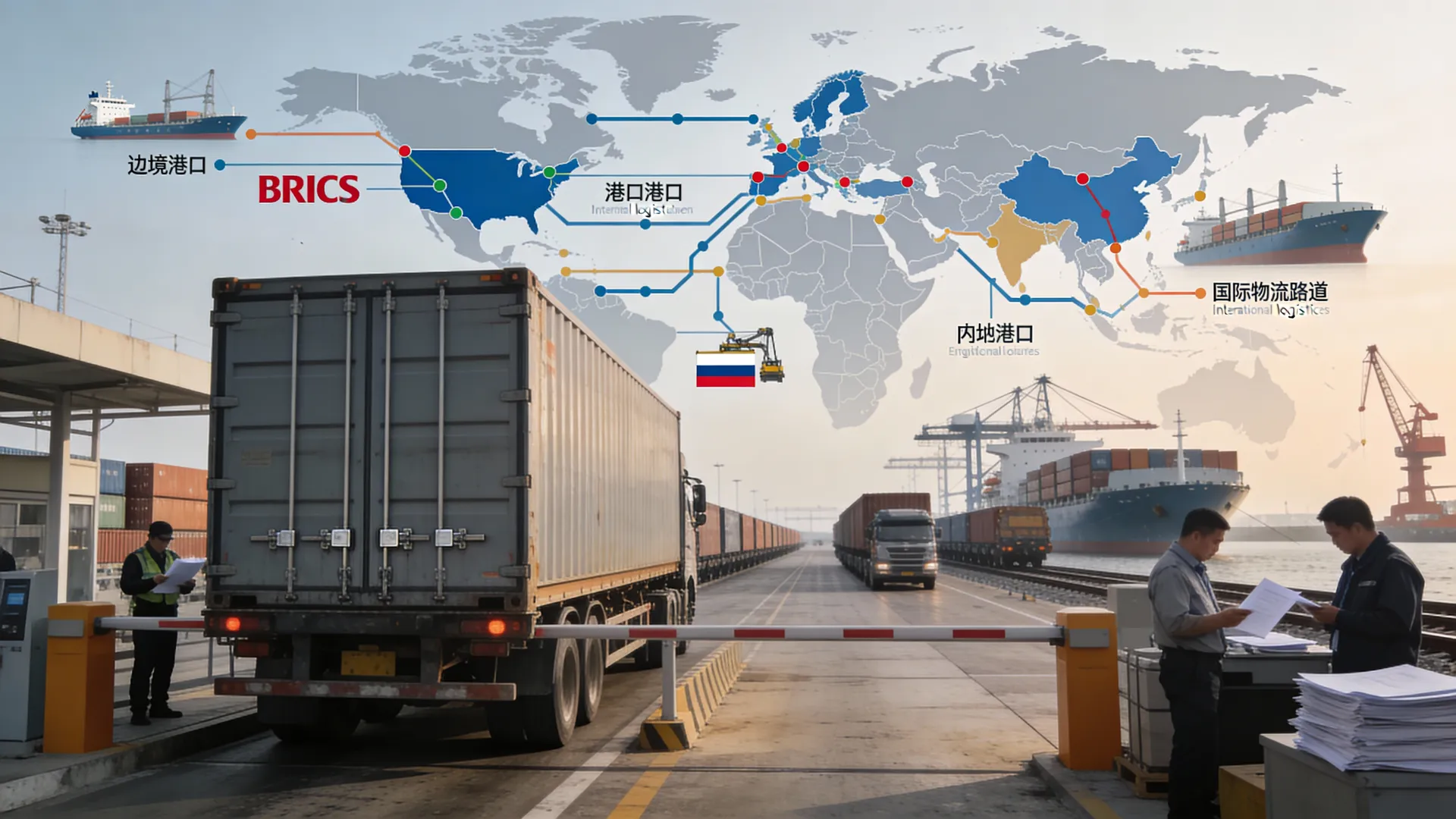
- expansion of logistics routes, including direct flights and shipping services;
- development of trade in national currencies;
- stimulating Indian exports of high-tech products;
- digitalization of sales channels through marketplaces;
- reducing barriers to business in both markets.
The combination of these factors makes achieving the goal of $100 billion a realistic goal. Russia and India are already showing a steady growth trend, and the diversification of goods and increased mutual investments can give bilateral trade a new boost.