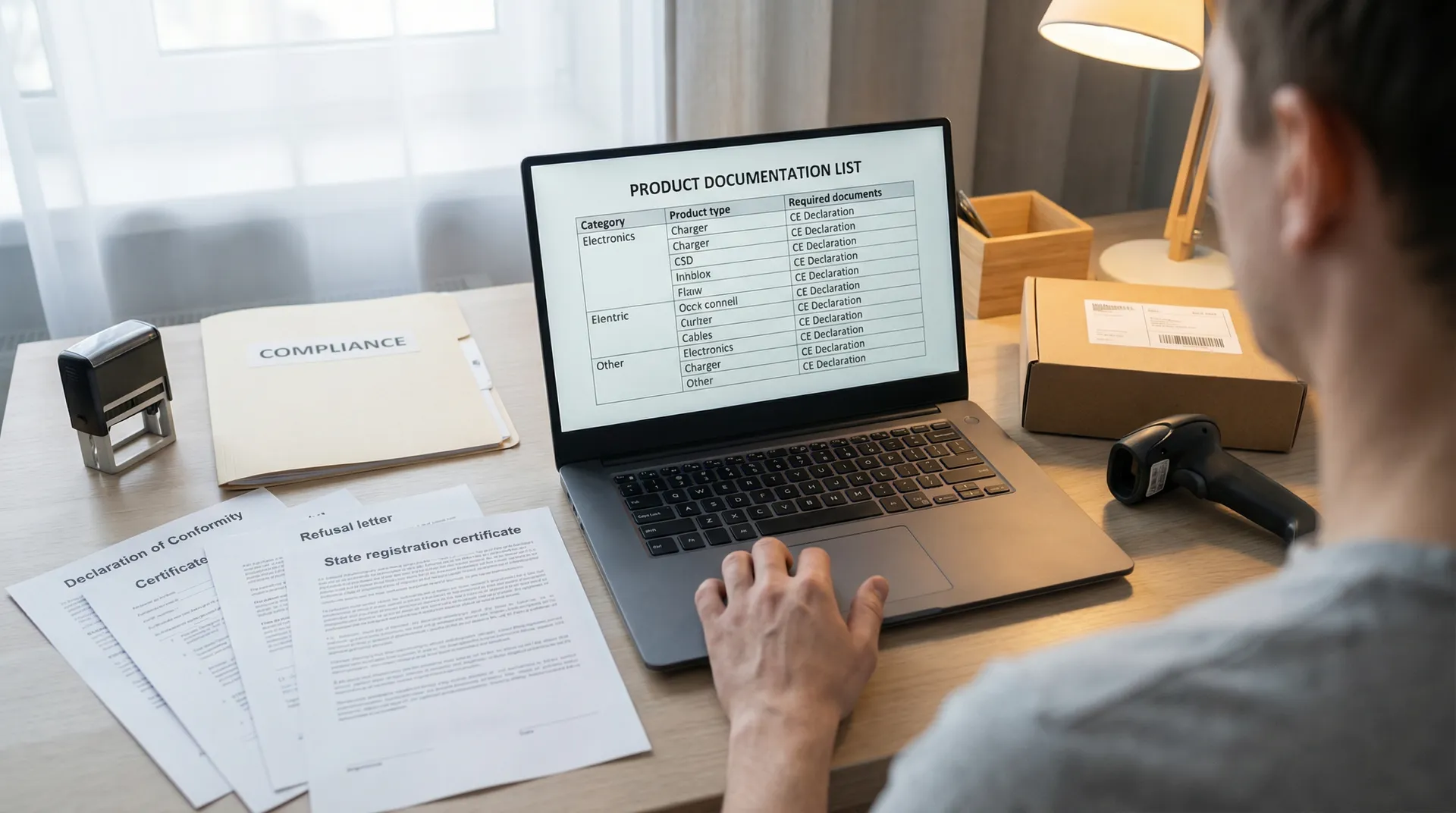
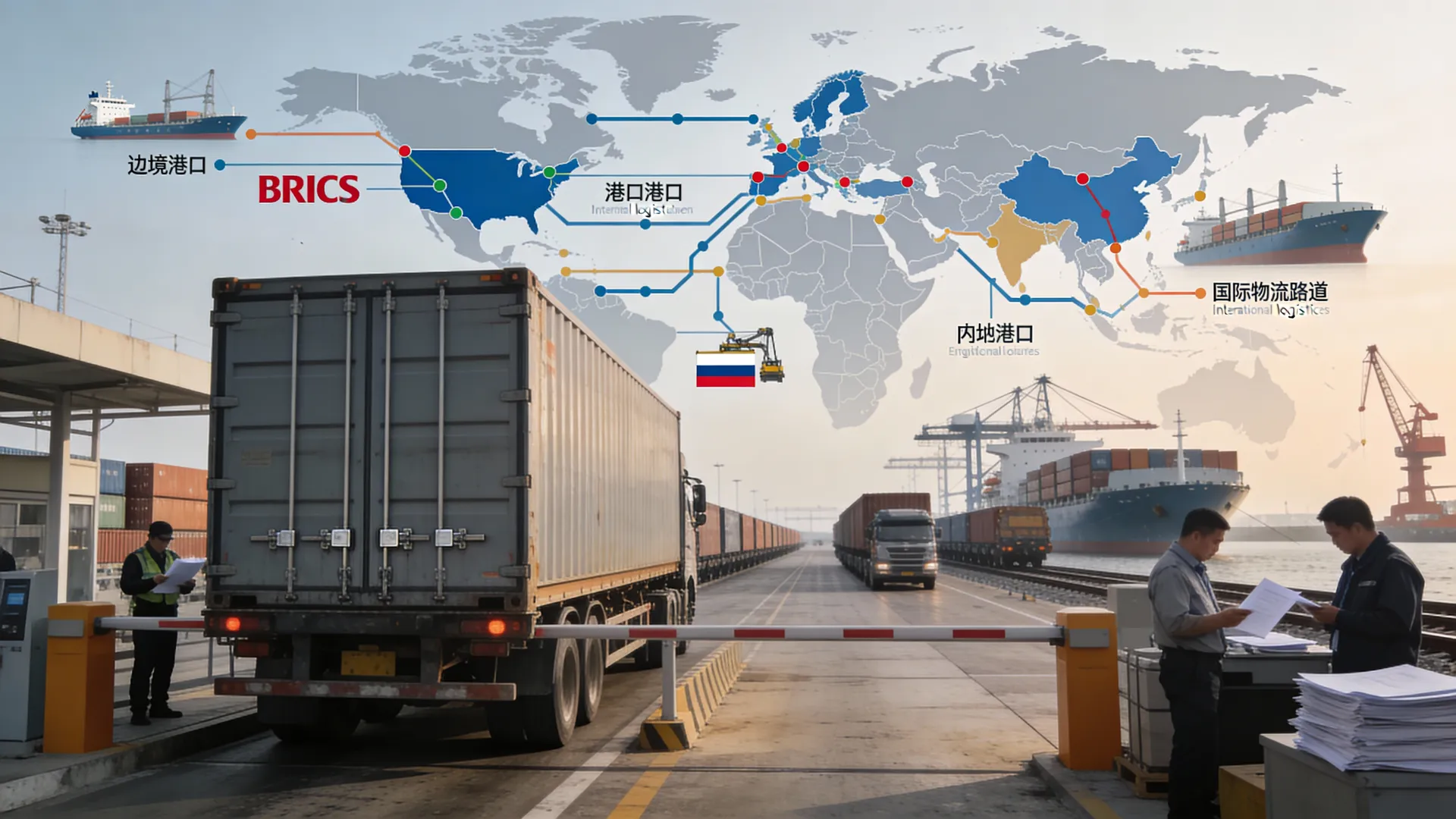
Import controls are being tightened in Russia: the new system will change the rules for importing goods
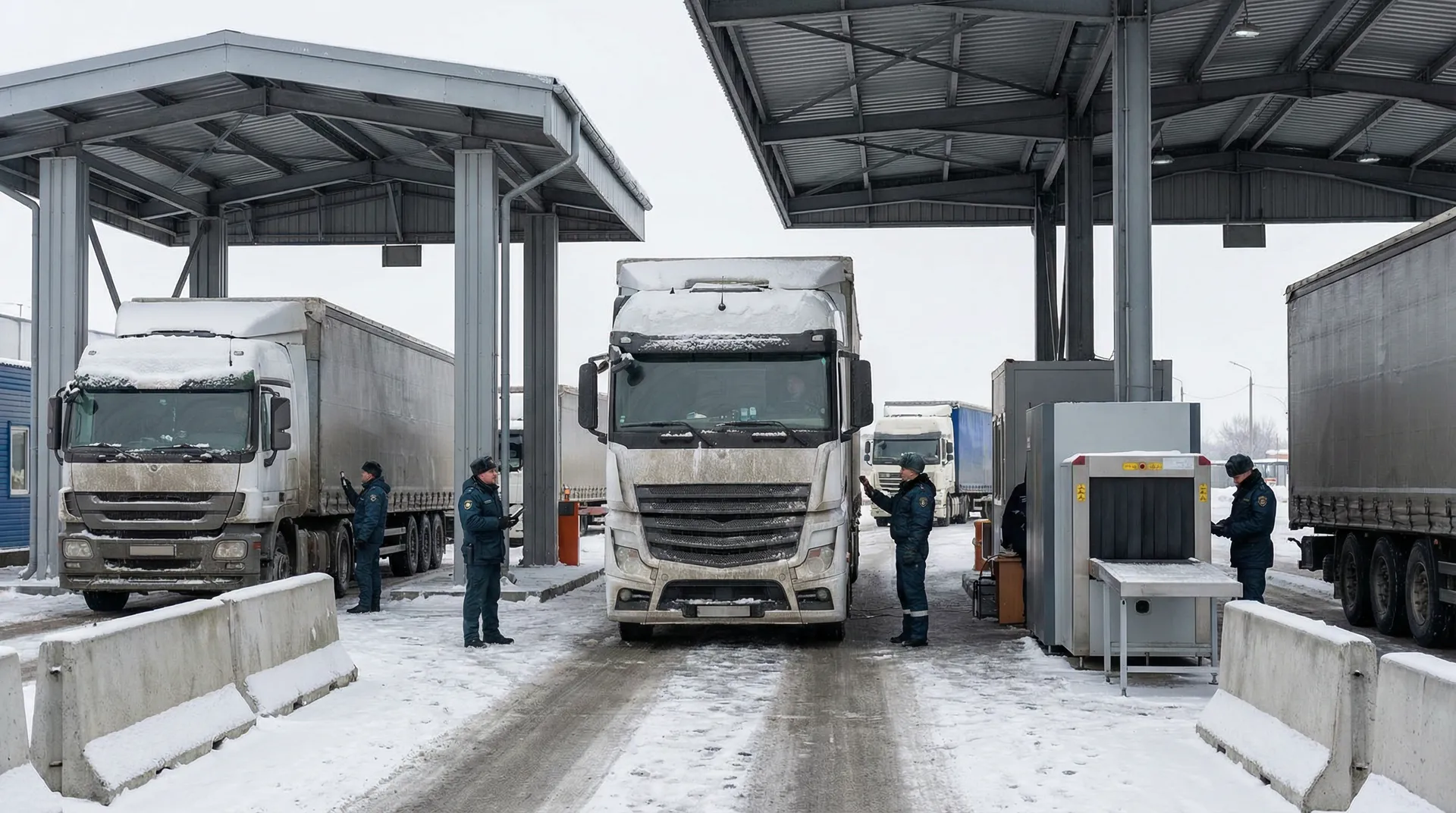
Russia has approved the concept of a national system for confirming the expectation of delivery of goods, which is scheduled to begin operation on July 1, 2026. The new mechanism is aimed at strengthening control over import operations and reducing the volume of illegal trade, primarily when products are transported from the countries of the Eurasian Economic Union.
The key task of the system is to provide preliminary confirmation of the fact of the expected delivery of goods even before their actual importation into the country. This will allow government agencies to analyze risks in advance, compare supply data, and monitor the payment of taxes and fees.
Experts note that today a significant part of movements within the EAEU are carried out with minimal control at the internal borders. In many cases, reporting is formed after the fact, which creates conditions for false declarations and tax evasion.
According to experts in the field of foreign economic activity, the new system will combine several government digital circuits at once, including tax and customs databases, product traceability systems, transport monitoring and risk management. This approach will allow us to form a unified picture of the movement of imported goods.
Special attention is paid to the financial side of the mechanism. Importers will be required to make a security payment in advance in the amount of their estimated tax obligations, such as VAT. If the delivery does not take place, the funds will be refunded. Thus, the state receives a financial guarantee instrument, and the business receives an additional stage of administration.
"Today, goods can move without sufficient preliminary analysis. Customs authorities are often forced to check transport selectively, without having complete information about the cargo in advance," experts say, commenting on the need to introduce a new system.
Testing of the system is expected to take place between April and June 2026. The operator will be the tax service, and the data will be automatically transferred between departments without business involvement at each stage.
At the same time, representatives of the logistics and import community point out possible difficulties. Additional digital workload, tax prepayments, and the need to integrate new services into companies' accounting systems can increase costs and delivery preparation times.
"Businesses will have to rebuild processes, train staff, and invest additional resources in administration," market participants warn.
Despite this, most experts agree that the confirmation system for waiting for delivery will be an important step towards gradually replacing gray import patterns and creating a more transparent architecture for foreign economic activity in Russia.