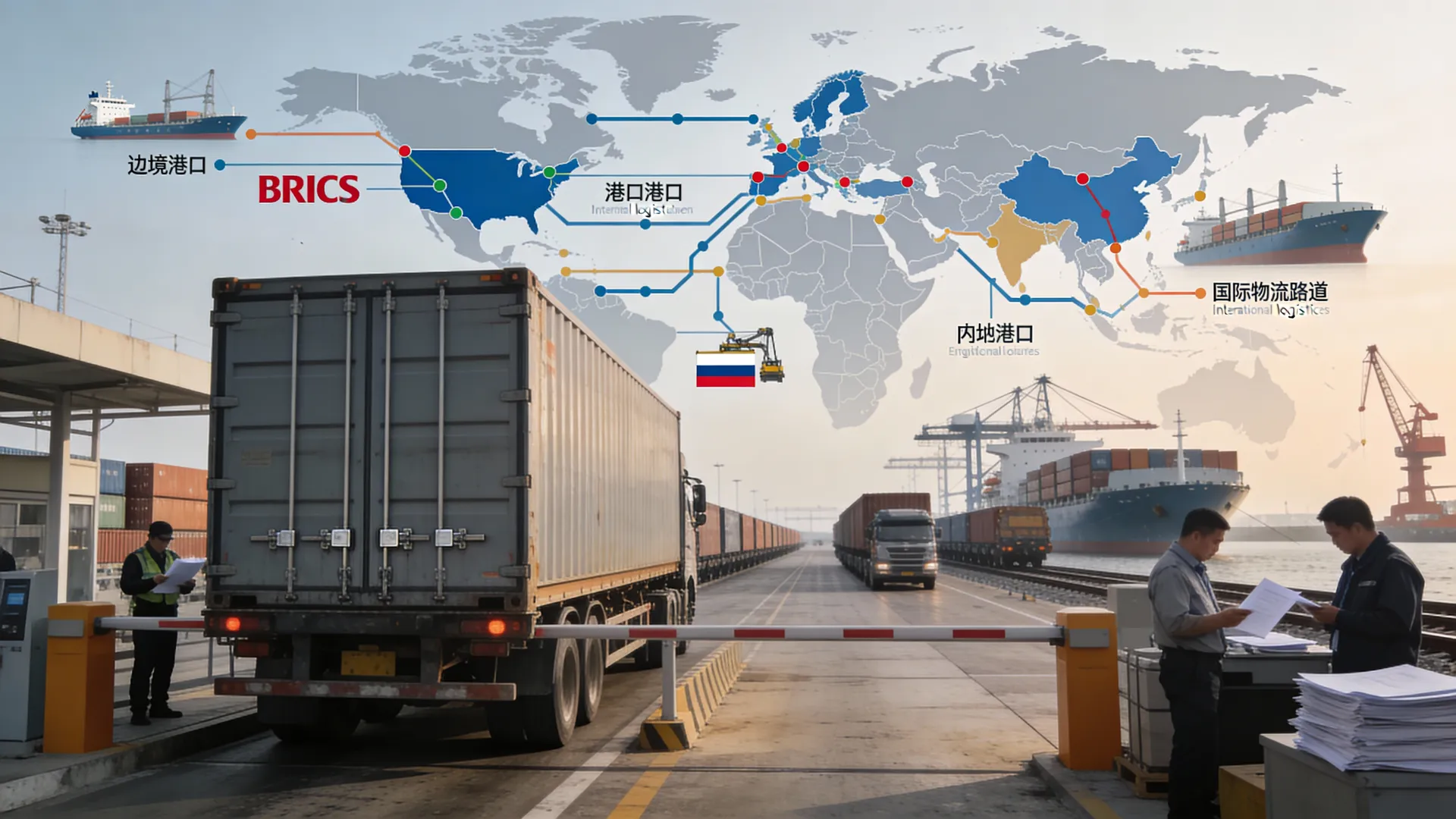
A scheme called "indirect re-export" is actively used in international trade. It is used when several parties from different countries are involved in the transaction process — the seller, the buyer and the recipient located in different jurisdictions. Despite the absence of the very term "indirect re-export" in Russian legislation, the practice of such shipments is widespread and regulated by the norms of foreign economic and currency legislation.
The classic scheme is as follows: a Russian company sells a product to a Kazakhstani partner, who, in turn, sells it to an Estonian buyer. At the same time, the shipment is carried out directly from Russia to Estonia. Thus, the actual exporter is a Russian company, and the recipient is a third party acting on behalf of the buyer.
Such operations are possible provided that the export of goods to the country of final destination is not limited by Russian legislation. In this case, the scheme does not violate the norms of the EAEU Customs Code and is fully legitimate. The main documents regulating the procedure for concluding and executing such transactions are the Treaty on the Eurasian Economic Union, the EAEU Customs Code, federal laws on currency regulation and foreign trade, as well as the provisions of the Tax and Civil Codes of the Russian Federation.
When arranging the delivery, two contracts are required — between the Russian exporter and its foreign buyer (for example, a Kazakh company), as well as between the buyer and the final recipient (for example, an Estonian company). It is important that both contracts are agreed on terms, terms, prices and responsibilities of the parties. Inconsistencies in contracts may lead to claims from customs or currency authorities.
In addition, in case of indirect re-export, it is necessary to take into account the specifics of currency control, as well as the procedure for submitting supporting documents to an authorized bank. Violation of reporting deadlines or non-compliance with contract requirements may result in administrative liability.
Lawyers point out that indirect re-export allows companies to optimize international shipments, reduce logistical costs, and speed up the movement of goods. However, such schemes require careful legal preparation and analysis of possible risks, both tax and currency. Experts recommend that such transactions be handled jointly with customs and foreign economic consultants in order to avoid violations in the preparation of export declarations and settlements with foreign counterparties.