Logistical disruptions on key sea routes have ceased to be an exclusively transport problem and have directly affected the financial stability of foreign trade operations. The situation in the Red Sea and the Strait of Hormuz is transforming not only delivery schemes, but also the entire architecture of international payments, forcing businesses to rethink their usual payment models.
Experts note that since the beginning of 2024, sea transportation through the Red Sea has become less predictable, more expensive and subject to external risks. Armed incidents, increased military activity, and sanctions restrictions have increased pressure on shipping companies, insurers, and cargo owners. This has led to a lengthening of routes, an increase in freight and an increase in insurance premiums, which directly affects the cost of supplies.
Alexander Maksimkin, Managing Partner of CCM Consulting, emphasizes that the ongoing changes are systemic in nature.:
"The logistical crisis in the Red Sea and around the Strait of Hormuz has ceased to be an operational transportation problem. In 2026, the success of imports or exports will be determined not by the speed of the vessel, but by the flexibility of the financial scheme."
According to him, payment chains are becoming a key vulnerability. When the delivery route changes during transportation, classic delivery terms such as CIF or FOB begin to work against the parties to the transaction. The period during which the goods are in transit increases and does not legally belong to either party, which creates risks of payment delays, cash gaps and conflicts between counterparties.
An additional pressure factor is the strengthening of bank compliance. Forced route changes often lead to the emergence of new intermediaries, shipping companies, and transit jurisdictions. This automatically increases the level of checks by banks, increases payment processing time, and increases the likelihood of blockages.
Alexander Maksimkin notes that in these conditions, banks and payment partners actually become the guarantor of the operational reliability of the transaction.:
"In the current environment, a reliable payment partner serves not just as an executor, but as an operational center, becoming a strategic buffer against crises."
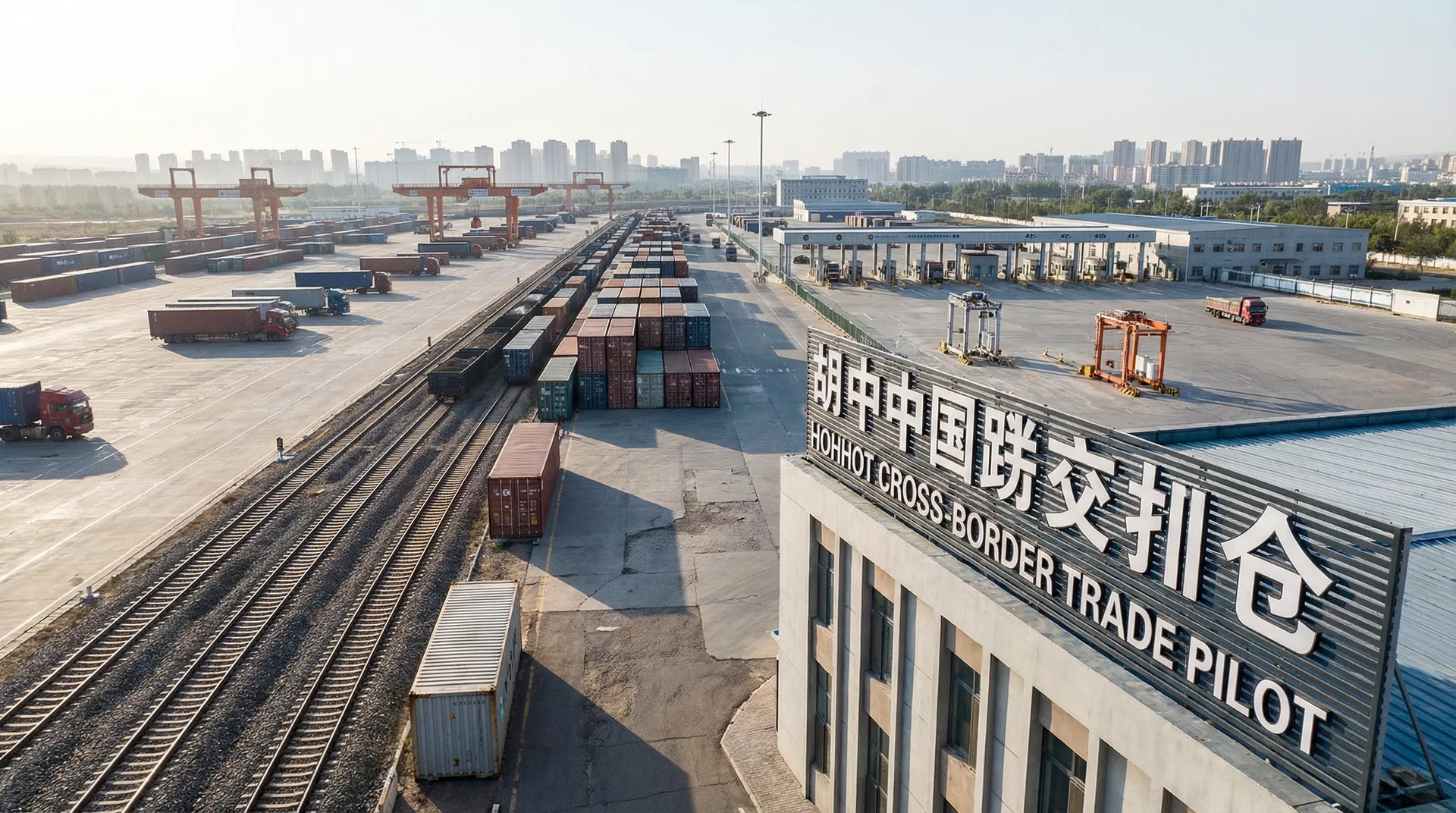
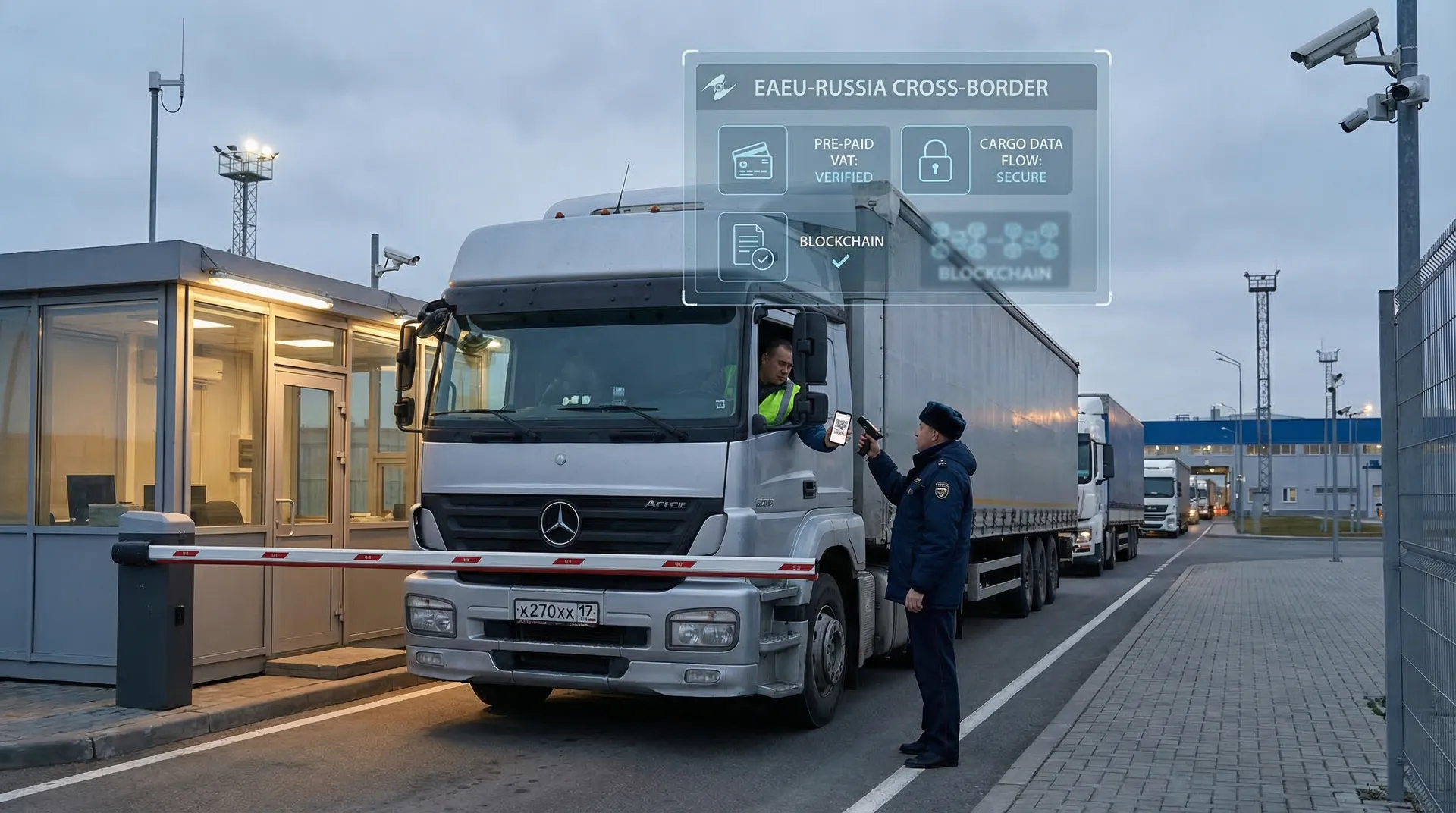
Against the background of maritime instability, the role of alternative routes is increasing. Significant growth is demonstrated by land corridors through the EAEU countries and China, as well as the international North—South transport corridor. These areas benefit from greater predictability of timing and less dependence on geopolitical incidents in the straits.
Experts agree that global trade is entering a deep restructuring phase. Companies are forced to switch to more flexible financial models, implement digital cargo traceability, and work out scenarios for changing routes and payment conditions in advance. Otherwise, logistical disruptions will continue to transform into payment crises that threaten the sustainability of foreign economic activity.