A retail store under the brand "Made in Russia" has opened in Harbin, China, with the support of the Russian Export Center. The project became the next step in the development of the direct presence of Russian goods in the Chinese consumer market and is focused on the promotion of products with high added value.
The new outlet is located in one of the key shopping districts of the city and is aimed at retail customers. The range includes food, consumer goods and branded products from Russian manufacturers that have passed selection and export expertise. The store's format allows you to test demand, receive direct feedback from Chinese consumers, and adapt packaging and product lines to local preferences.
The Russian Export Center emphasizes that the project is of a strategic nature. It complements existing online sales channels and reduces entry barriers for Russian companies that are not yet ready to independently invest in their own retail in China.
The official commentary notes:
"The opening of the Made in Russia store in Harbin is a tool for promoting Russian brands and increasing the recognition of domestic products in one of the most competitive markets in the world."
China remains one of Russia's key non-resource export destinations. At the same time, offline retail allows you to build trust in brands, especially in the food and household goods segments, where visual perception, origin and reputation of the manufacturing country are important for customers.
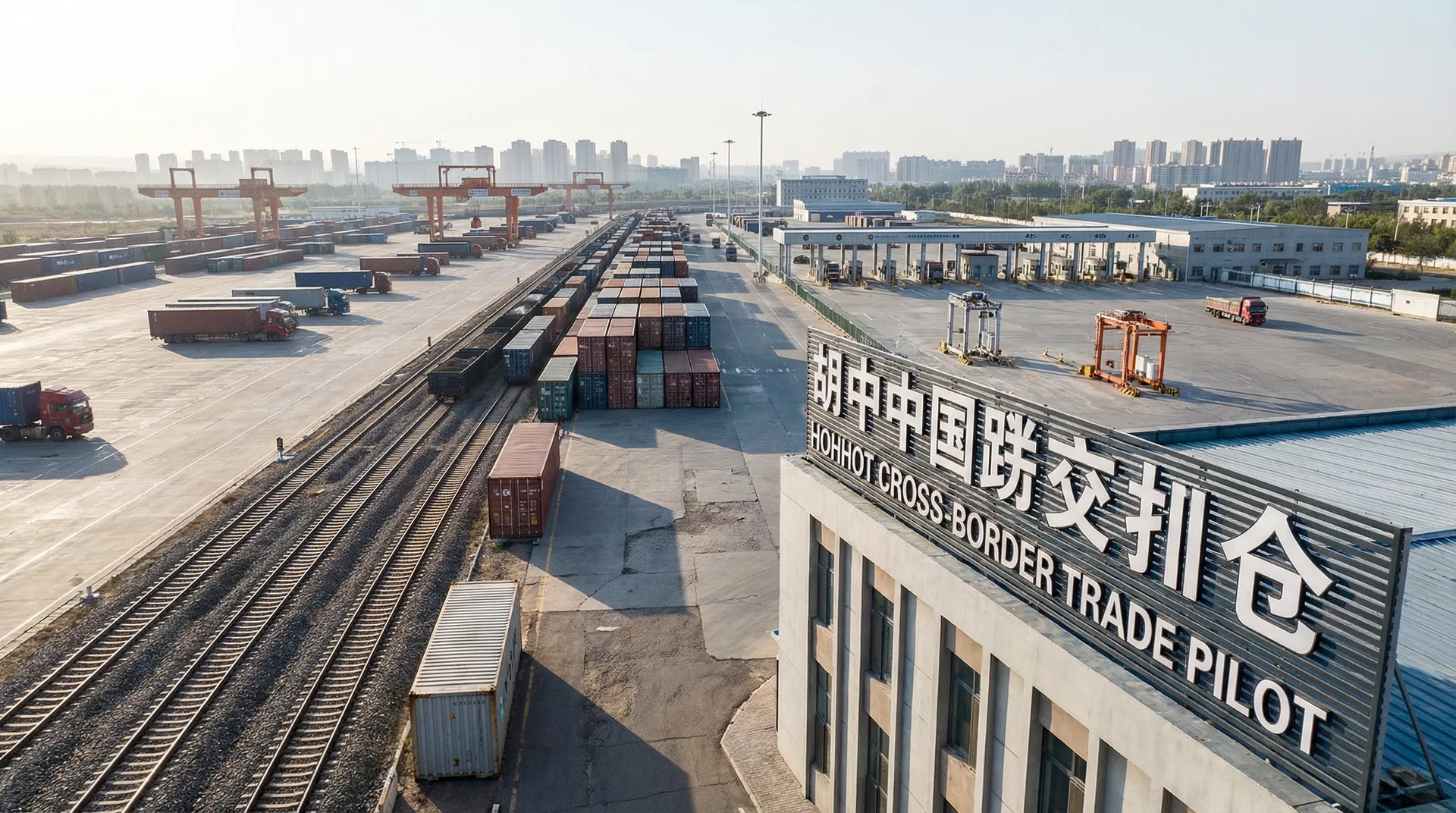
Harbin was not chosen by chance. The city is traditionally considered a "gateway" for Russian-Chinese trade, as well as a logistics and tourist center of northeast China. Proximity to the Russian border simplifies logistics, and the sustained interest of local consumers in Russian goods creates a favorable environment for scaling the project.
Foreign economic activity experts note that such stores perform several functions at once: they serve as a showcase for national exports, a marketing research channel, and a platform for companies to prepare for entry into large retail chains and marketplaces in China. In the future, such formats can be replicated in other cities of China, as well as integrated with electronic sales channels.
The opening of the store in Harbin fits into the overall strategy of diversifying Russian exports, shifting the focus from raw materials to finished products, and strengthening economic ties with Asian countries.