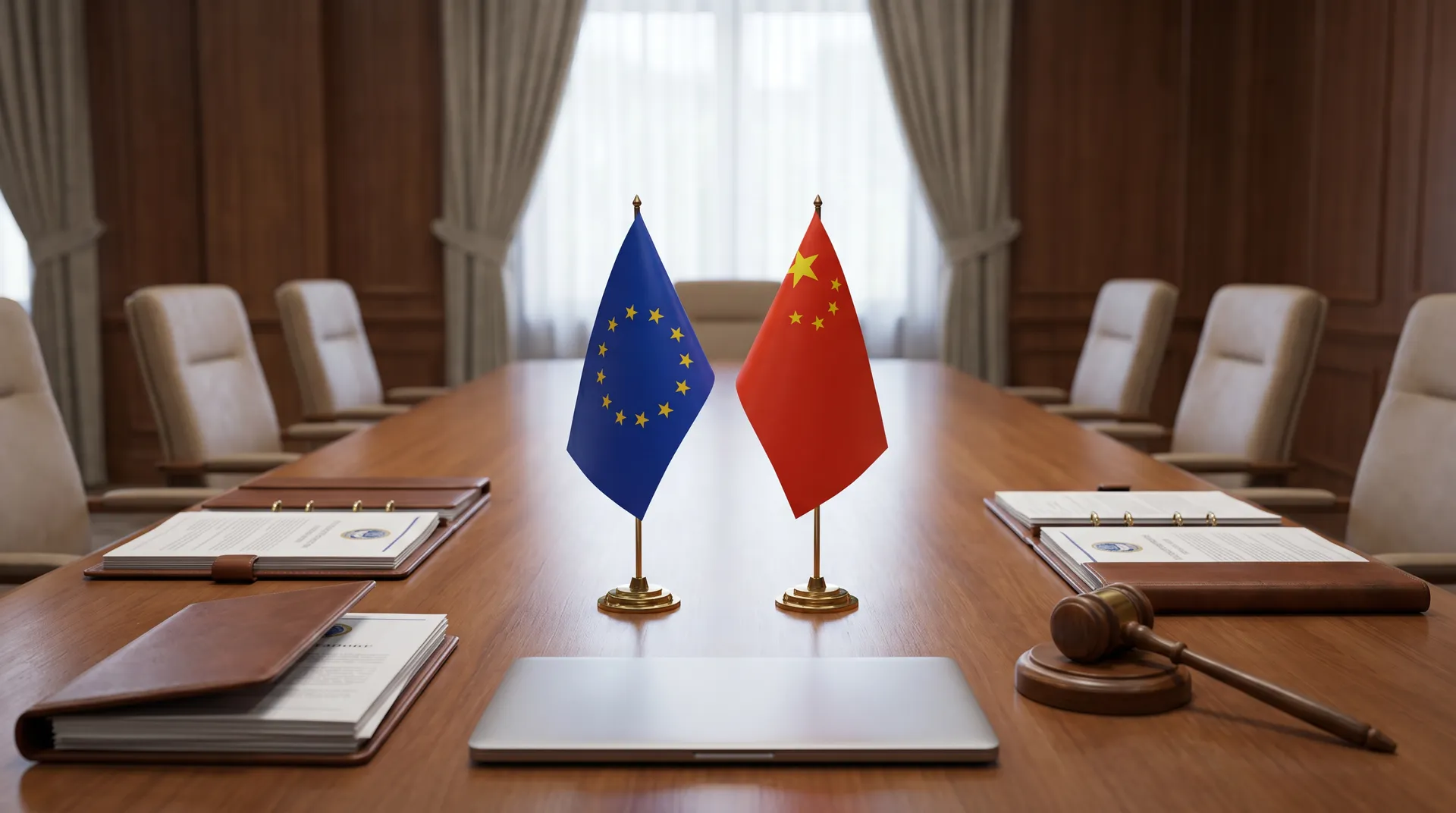
The 20th package of EU anti-Russian sanctions turned out to be one of the broadest in scope. In addition to banks, ports, and oil companies, 60 foreign companies from third countries — China, Turkey, and the UAE - were subject to restrictions for the first time.
The mechanism works through export controls: European suppliers are now required to conduct extended checks before any deal with these companies. In fact, this means that part of the goods flows that went through these structures to Russia will be blocked or significantly complicated.
The EU's logic is transparent: if direct supplies to Russia are closed, sanctioned goods go through intermediaries in China, Turkey and the UAE. The 20th package begins to close these routes.
The practical significance for Russian business is twofold. On the one hand, if your suppliers or agents in these countries are on the sanctions list, the chain may end without warning. On the other hand, most companies from China, Turkey and the UAE are not included in the list, and work with them continues as usual.
The necessary actions right now are to request confirmation from their partners in China, Turkey and the UAE that they do not appear on the sanctions lists of the EU, the United States and the United Kingdom. This is a standard compliance procedure, which is now becoming a mandatory part of any foreign trade transaction.
At the same time, the EU has begun work on the 21st package of sanctions, as the Estonian Foreign Ministry has already announced. The pressure on third intermediary countries will increase.