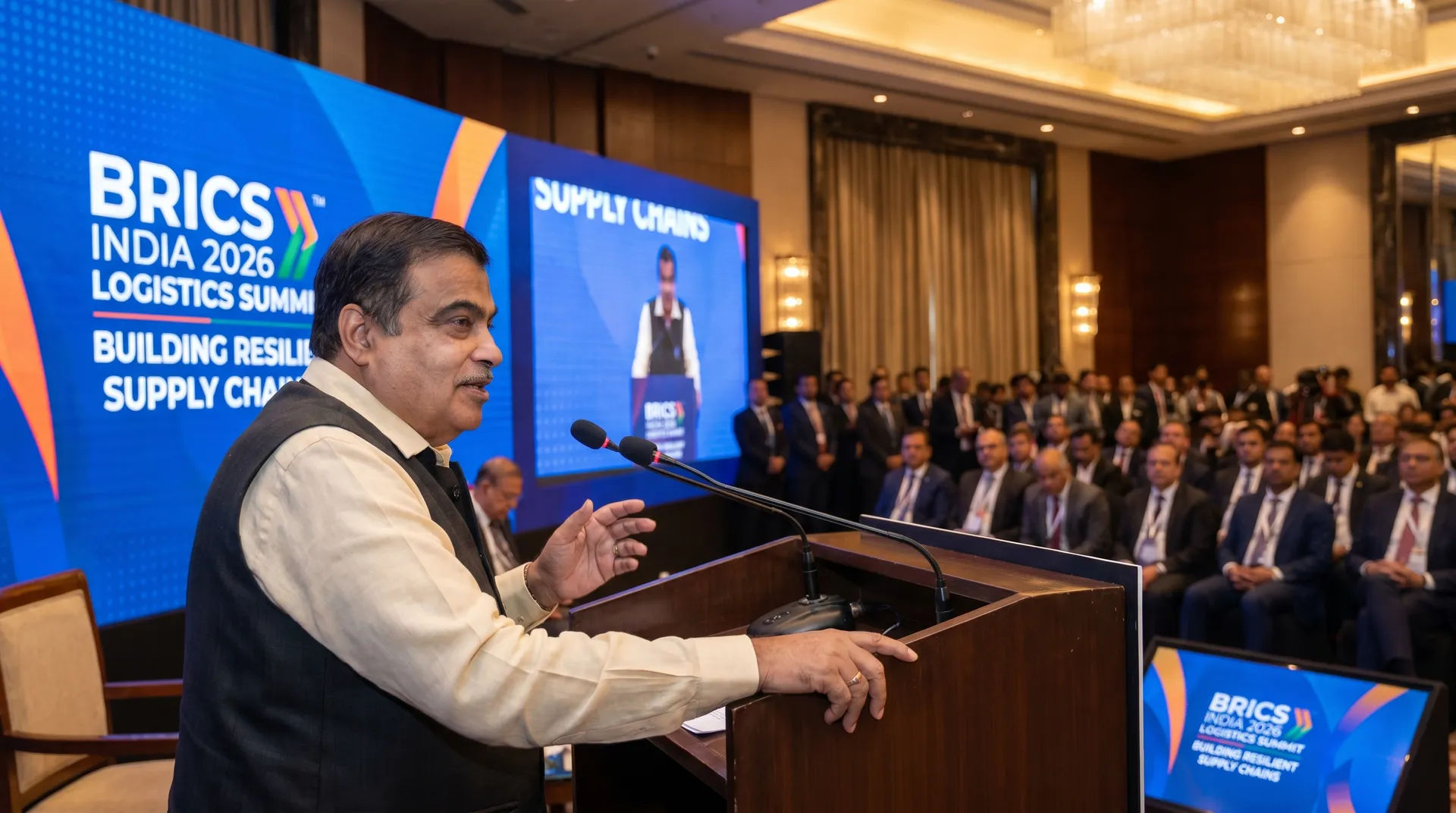
The conversation about replacing the dollar in the calculations within the BRICS has been going on for several years. But now, for the first time, it is backed by a specific infrastructure: Brazil has the digital currency DREX, China has the digital yuan, and India has the digital rupee e-Rupee. The key issue at the BRICS summit in New Delhi in September 2026 is how to link these systems directly, bypassing SWIFT.
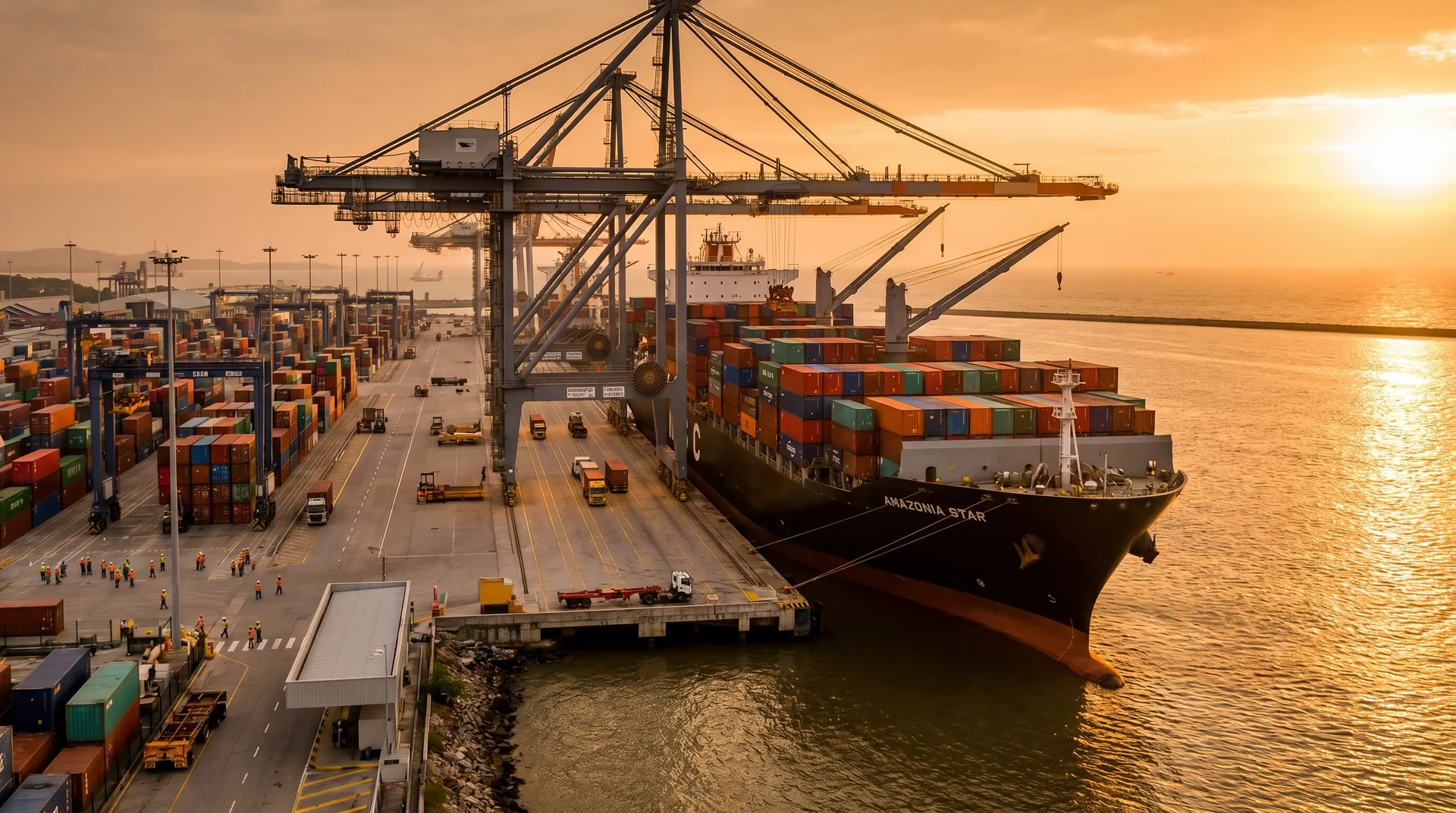
Brazil occupies a special place in this discussion. The country is the largest agro—exporter of coffee, meat, soybeans, and cane sugar. Agricultural exports exceed $165 billion per year. It is the agricultural sector that benefits first from the transition to settlements in national currencies: dollar fluctuations directly affect pricing for long-term contracts.
According to analysts, the volume of trade within the BRICS in national currencies has already exceeded 67%. The yuan accounts for about 47% of the calculations in the block. Russia and China have converted about 90% of their mutual trade into yuan and rubles. Brazil is still lagging behind — most of its export contracts are still denominated in dollars. But the direction of movement is set.
For Russian business: settlements with Brazilian suppliers through the BRICS mechanisms are becoming a real alternative to dollar transactions. Moreover, the United States has already imposed 40% duties on Brazilian exports - Brazil is looking for partners outside the American market more actively than ever.
The transition to BRICS digital currencies will not happen immediately. But the infrastructure is already under construction. Companies that will start building payment schemes through Brazil within the block today will be ready by the time the system is fully operational.