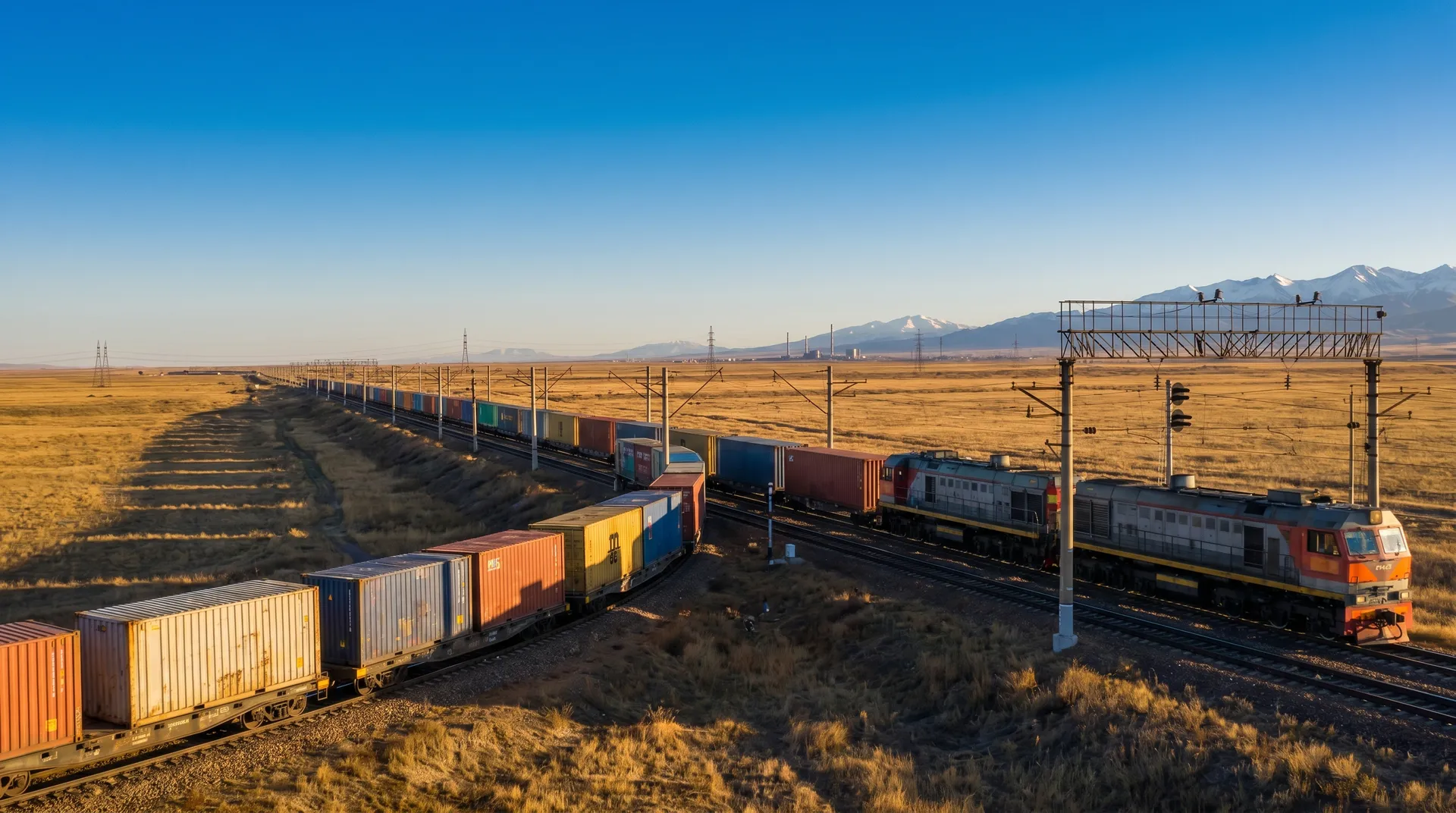
The transit corridor through Kazakhstan is the main artery between Russia and China by rail. A significant part of imported goods passes through it: electronics, equipment, consumer goods, auto parts. At the same time, the capacity in some sections is already operating in a mode close to the limit, especially during peak shipments.
On April 22, it became known that Kazakhstan and Russia are negotiating concrete measures to strengthen railway communication in the direction of China. Capacity expansion at key border crossings and synchronization of schedules are being discussed in order to reduce downtime at hub stations.
The context is important: against the background of a 1.9-fold increase in Chinese car exports to Russia in the first quarter of 2026 alone and an overall increase in trade between the two countries, the existing infrastructure is under real strain. The agreement between Russia and Kazakhstan is to work on the very "bottleneck" that slows down the entire flow.
In parallel, this corridor is gaining strategic importance against the background of the closure of the Strait of Hormuz. Some of the cargo that used to go by sea through the Persian Gulf is now looking for land alternatives. The Eurasian railway route through Kazakhstan is one of the main candidates for the redistribution of these flows.
For importers from China, the expansion of the corridor's capacity means more predictable delivery times and a potential reduction in freight rates. Those who build long-term supply chains through this route should monitor the development of negotiations.