Egypt accelerates the growth of non-primary exports: in 10 months, the country increased supplies by 19%

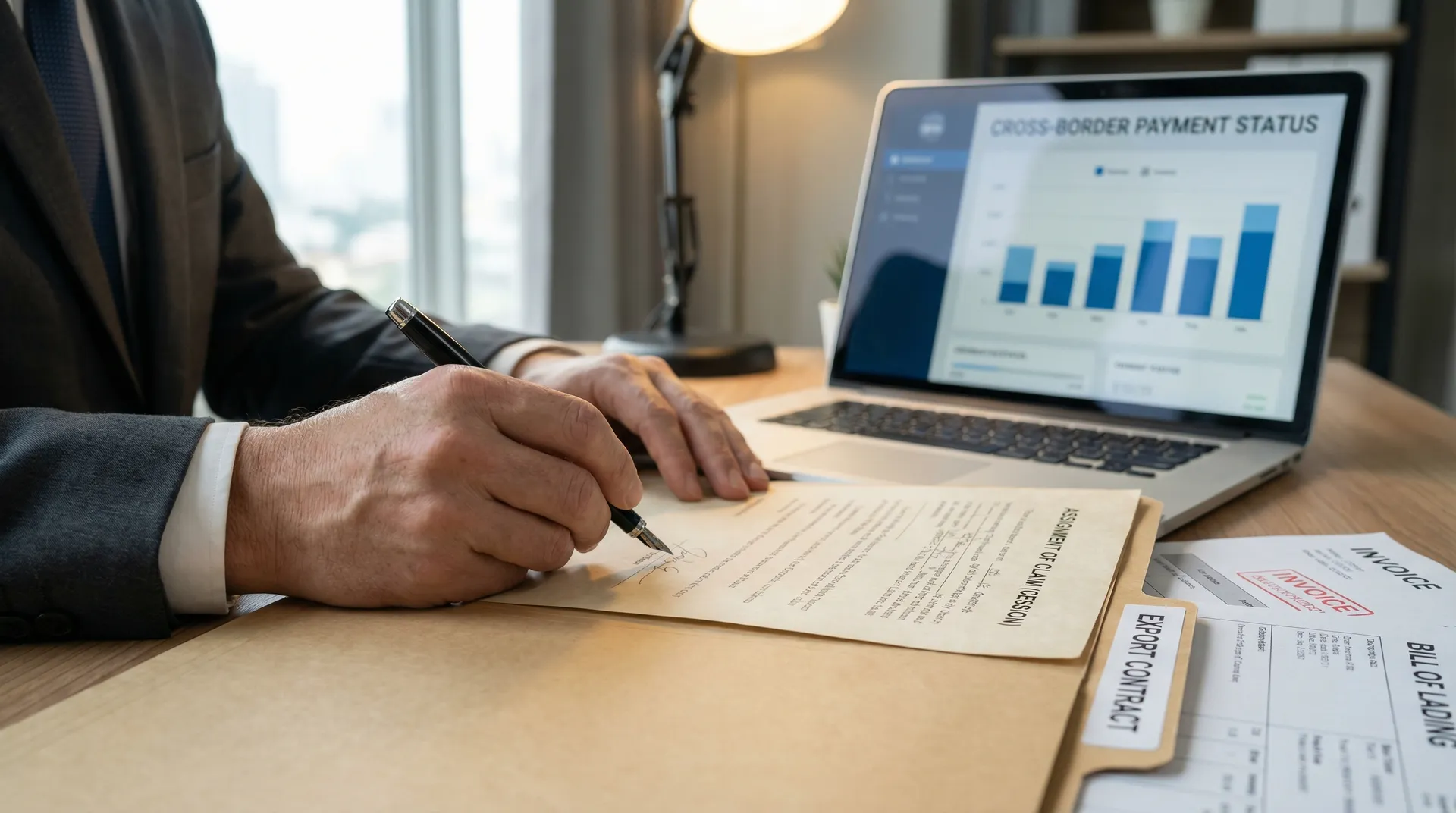
Egypt's non-primary exports are showing steady growth and forming new benchmarks for the country's foreign trade. According to Sada El-Balad, from January to October 2025, the volume of supplies of non-primary products increased by 19 percent and reached 40.6 billion US dollars, which corresponds to about 3.2 trillion rubles. These rates are significantly higher than in the previous year: exports increased by $6.47 billion, and the trade deficit decreased by 16 percent to $26.32 billion.
Several key industries contributed to the growth. Construction materials, fertilizers, electronics, textiles, food products, and mechanical engineering have become the driving forces of export dynamics. At the same time, Egypt is actively diversifying the range of exported goods, seeking to reduce dependence on commodity categories and strengthen its position in the markets of partner countries.
The rapid growth of exports to the United Arab Emirates attracts particular attention. Shipments to the UAE increased by 142 percent, reaching $6.33 billion. This jump is explained both by the expansion of trade and economic cooperation between the two countries and the growing demand for non-primary Egyptian-made products in the Middle Eastern markets.
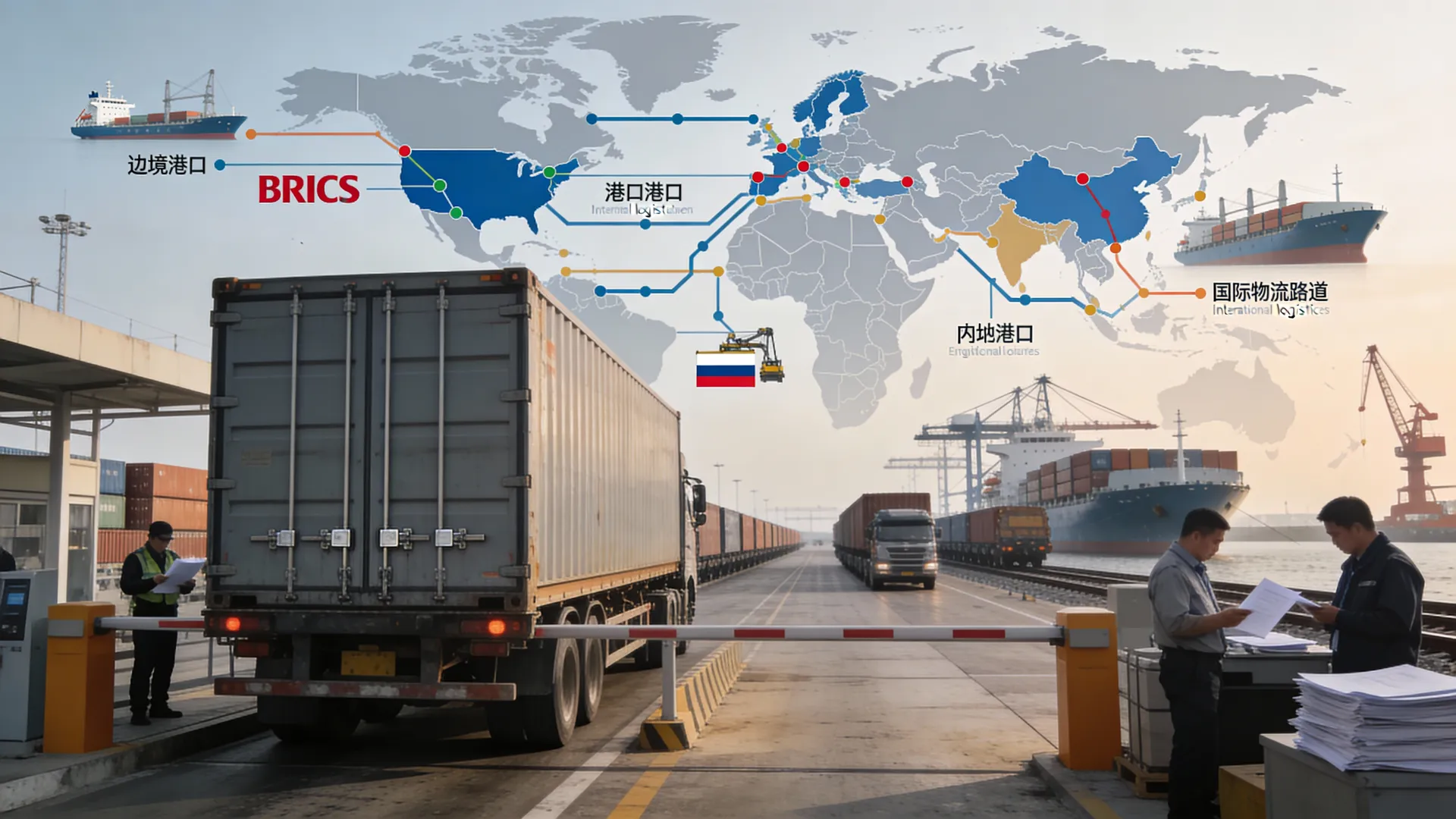
Government officials emphasize that export successes have become possible thanks to the reform of trade policy. Egypt is actively using mechanisms to support domestic production, introducing tools to protect national companies, developing investment programs and strengthening the logistics infrastructure. All these measures have made it possible to expand the geography of exports and increase the competitiveness of goods abroad.
Economists note that strengthening the non—resource sector is a strategic priority. Further growth can be based on the development of the manufacturing industry, increasing the technological level of production and strengthening cooperation with key partners. In the future, this will allow Egypt to reduce its external vulnerability and strengthen its position in global markets.