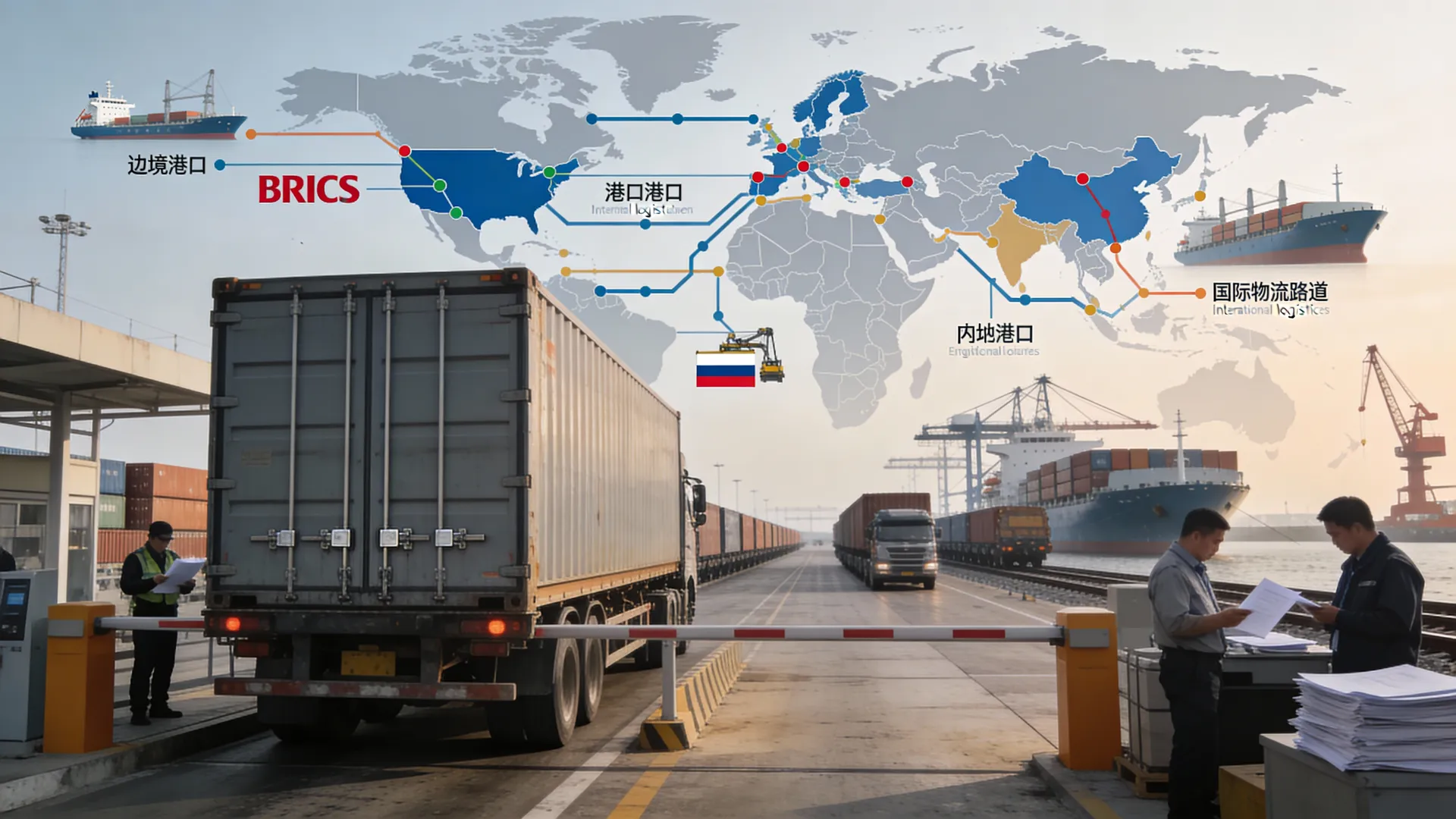
Almost a quarter of a century after the term BRICS appeared, one of its authors, economist Jim O'Neill, once again found himself at the center of a discussion about the future of the association and its role in the transformation of the global financial system. Against the background of active talks about de-dollarization, the expert made a critical assessment of the current state of the BRICS, noting the gap between political rhetoric and real economic mechanisms.
According to O'Neill, China has become the key driver of the BRICS over the past 25 years. The economist stressed that it was China that determined the trajectory of the association's development, radically changing global trade and production chains. "Without a doubt, China ... despite the problems, it has simply "blocked" the rest of the countries," O'Neill said, pointing out that China's economy today is many times higher than that of other members of the bloc.
The economist paid special attention to the idea of de-dollarization and the discussion of a possible common BRICS currency. He called such initiatives symbolic rather than practical. According to him, "the idea of a single BRICS currency is nonsense that is being uttered because it sounds beautiful," stressing the lack of an institutional framework for such projects.
Skepticism about de-dollarization is also shared by individual countries of the association. India, which has significant economic potential, has consistently distanced itself from initiatives that could strengthen China's monetary and financial influence. The head of Indian diplomacy, Subrahmanyam Jaishankar, had previously stated bluntly: "India has never been in favor of de-dollarization... the dollar as a reserve currency remains a source of global economic stability." According to him, there is no common position within the BRICS on the issue of abandoning the dollar.
At the same time, Russia's position on the topic has also evolved. President Vladimir Putin has repeatedly stressed that Moscow did not seek to abandon the dollar voluntarily. "We didn't abandon the dollar — we were cut off from it," he noted, pointing to the use of the American currency as an instrument of political pressure. At the same time, Putin emphasizes that talks about a single BRICS currency are premature and are not on the practical agenda of the association.
Experts agree that de—dollarization within the framework of the BRICS is developing not as a sharp rejection of the existing system, but as a search for alternative settlement mechanisms - expanding the use of national currencies, creating payment platforms and clearing tools. These processes are important primarily for foreign trade, logistics and settlements between the countries of the Global South.
Thus, after 25 years, BRICS remains an important geo-economic phenomenon, but its monetary future, according to the author of the concept, is still more shaped by cautious steps than radical financial revolutions.