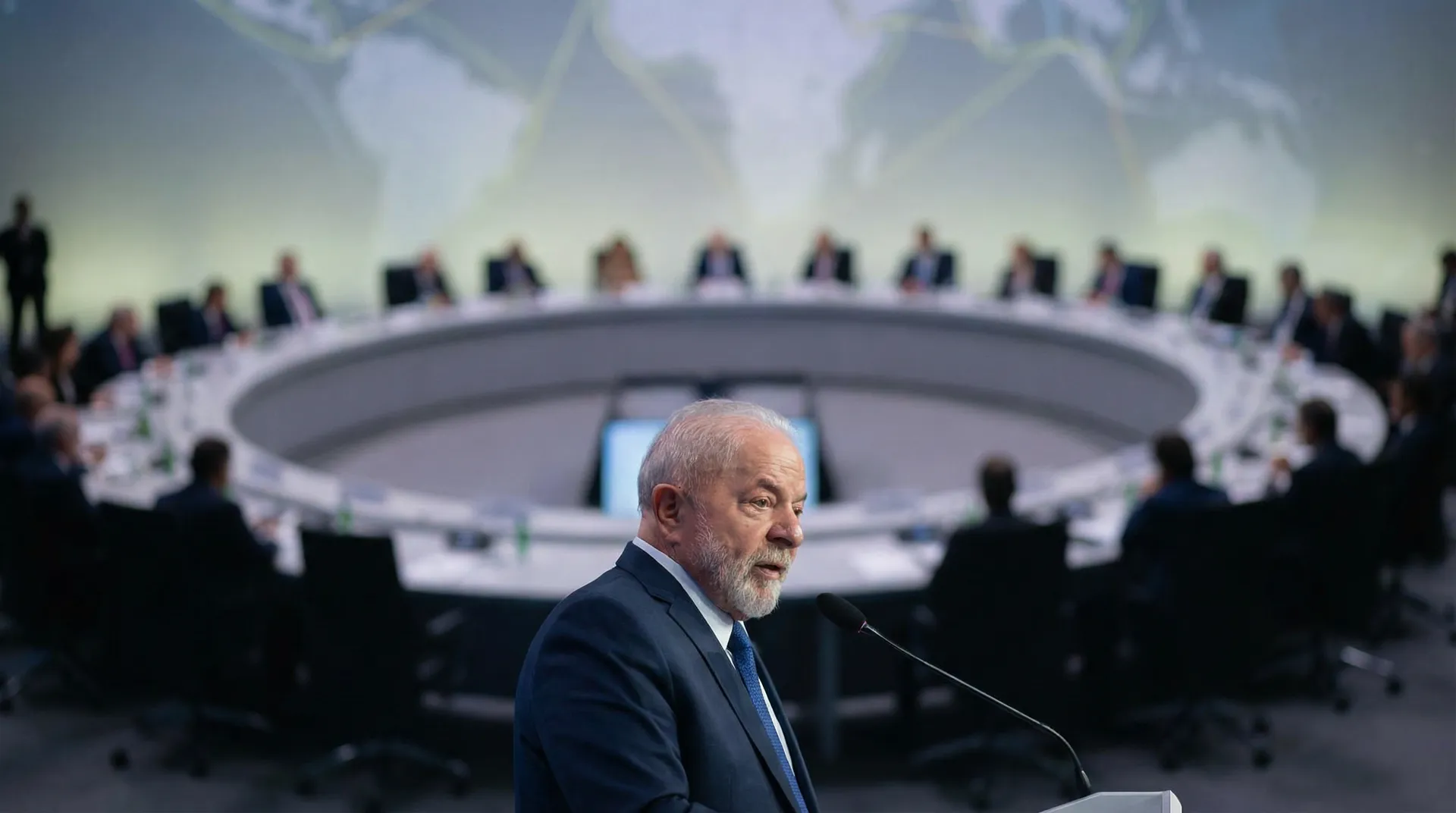
Brazilian President Luiz Inacio Lula da Silva said during his visit to India that the strengthening and expansion of BRICS could significantly reshape global trade. The meaning of the message is not in the slogan "against someone", but in an attempt to consolidate a multipolar model where rules and trade routes cease to be derived from a single center of power.
Lula's key argument is the scale of the merger after expansion and the involvement of new participants. This is where he connects demography and economics to the bloc's future negotiating position.:
"Half of humanity will participate in BRICS activities, and a significant part of global GDP will be in BRICS. Then it will be possible to establish a new dynamic in trade policy, as well as in cultural policy and relations between states."
It is also important how Lula insures his position against accusations of an "economic split in the world." He says bluntly that Brazil does not want a new confrontational logic and intends to trade with all key economies.:
"Brazil does not want a second Cold War. Brazil wants to trade with the United States, with China, with India, with Russia. I am a defender of free trade, multilateralism and harmony between nations," he said. "That is why I am a staunch supporter of BRICS."
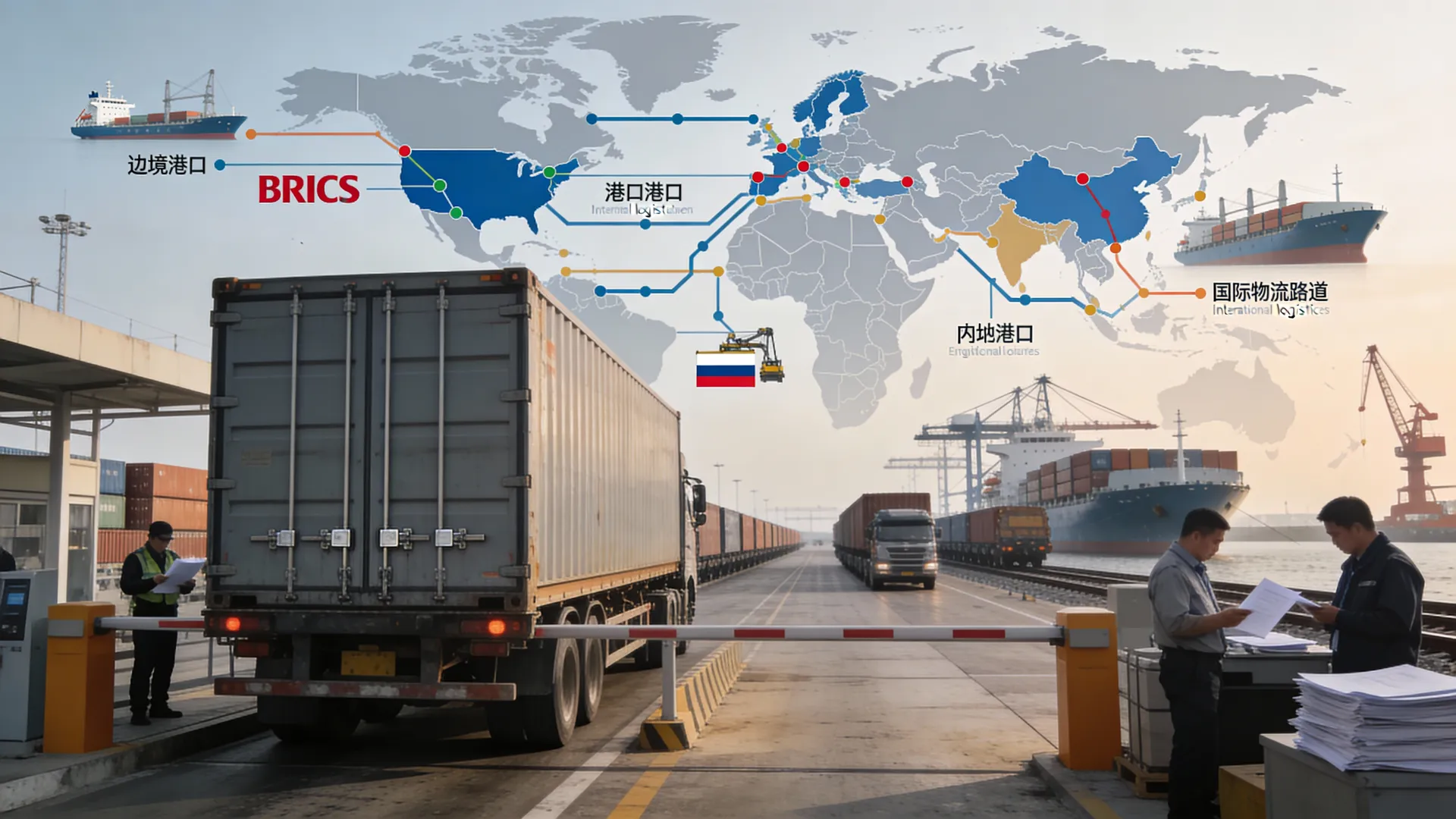
For foreign economic activity and cargo transportation, the practical part of this discussion is how the "trade mechanics" are changing: which currencies and payment rails are used, where supply chains are concentrated, who sets standards for compliance and origin of goods, and how countries negotiate access to raw materials and technologies. It is symptomatic that in parallel, the Indian-Brazilian agenda discusses resources and the growth of mutual trade — this is not about declarations, but about ensuring future production chains.
If the BRICS really increase consistency in trade rules and settlement infrastructure, the effect on businesses will be measured not by statements, but by metrics: shorter payment periods for external contracts, lower FX costs, greater predictability of sanctions/regulatory risks, and the growth of direct South-South logistics routes. This is exactly the "trade transformation" that Lula talks about: when the weight of a block is converted into more favorable conditions for access to markets, resources and financing — without severing ties with traditional partners.