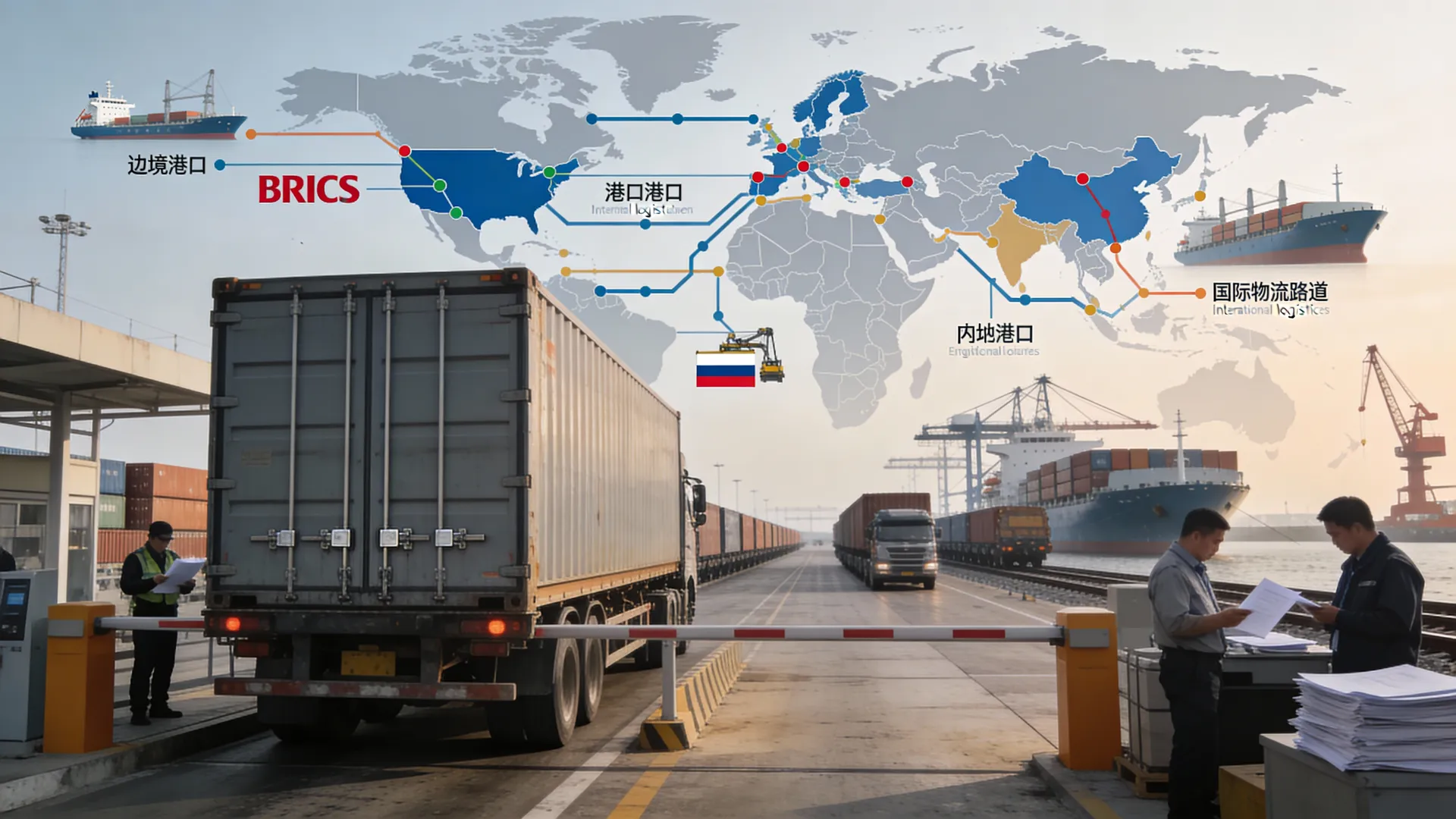
In Russia and the countries of the Eurasian Economic Union, a single standard for digital labeling of products may appear in the coming years. Rosstandart is engaged in the preparation of the new GOST, and the standard rules are planned to be developed by the end of 2026. If approved, the document can be applied as early as 2027 and become the basic standard for all existing and future product labeling systems.
The new standard has received the working title "Digital labeling and product traceability system: Key requirements. Terms and definitions". Its key task is to unify the conceptual framework and basic labeling requirements, which today vary depending on the product group. Currently, each product category actually lives by its own rules, which complicates the integration of accounting systems, work with cash registers and government control.
Experts note that a single GOST will create a universal technological basis for all areas of labeling. This will open up the possibility to use common software and standard digital solutions, reducing business costs for the implementation and maintenance of labeling. In addition, the unification of requirements should reduce the risk of technical failures, which today often lead to blocked shipments, halted sales and conflicts with regulatory authorities.
The future standard is of particular importance for participants in foreign economic activity. When importing goods, inconsistencies between labeling systems, accounting programs, and cash register equipment often cause delays and additional costs. The application of uniform standards will make the labeling process more transparent for importers and at the same time simplify control for regulators.
After discussion at the level of Russian technical committees, GOST is planned to be proposed for use in the EAEU countries, and in the future in other states friendly to Russia. This practice already has precedents. Russian state standards have been applied in the implementation of major international projects, including the construction of the Akkuyu nuclear power plant in Turkey. According to Rosstandart, the use of unified standards significantly simplifies cross-border interaction and reduces regulatory barriers.
Integration with government digital platforms gives an additional impetus to the development of the labeling system. The operator of the Honest Sign system, the Center for the Development of Advanced Technologies— previously announced plans to integrate with the Unified Information System in the field of procurement. This will allow you to automatically check for labeling when participating in public procurement, identify counterfeit goods and track expired products.
For the foreign economic activity community, a single GOST on labeling can be an important step towards reducing the administrative burden and creating a single digital space for product traceability, both domestically and on foreign markets.