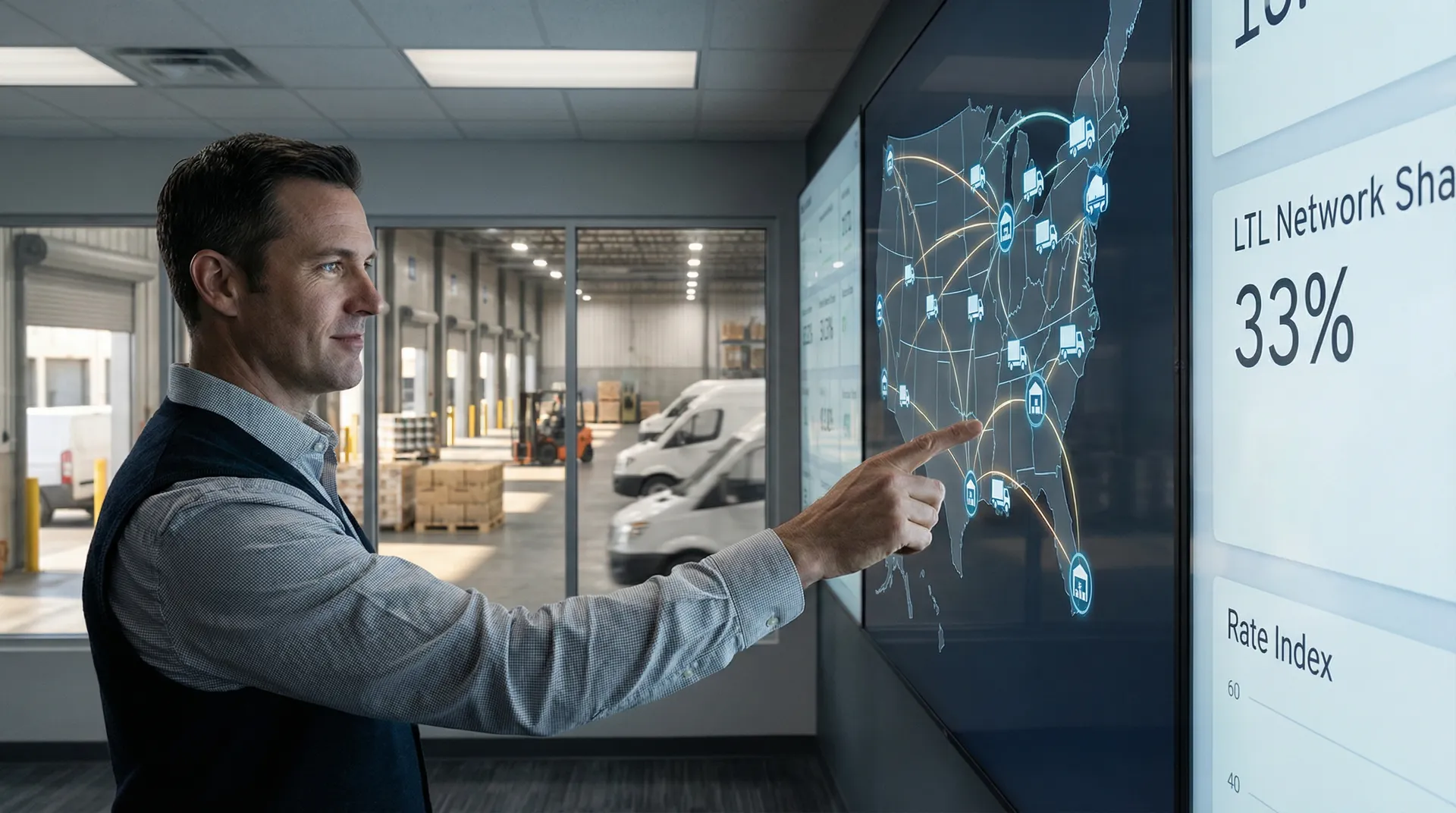
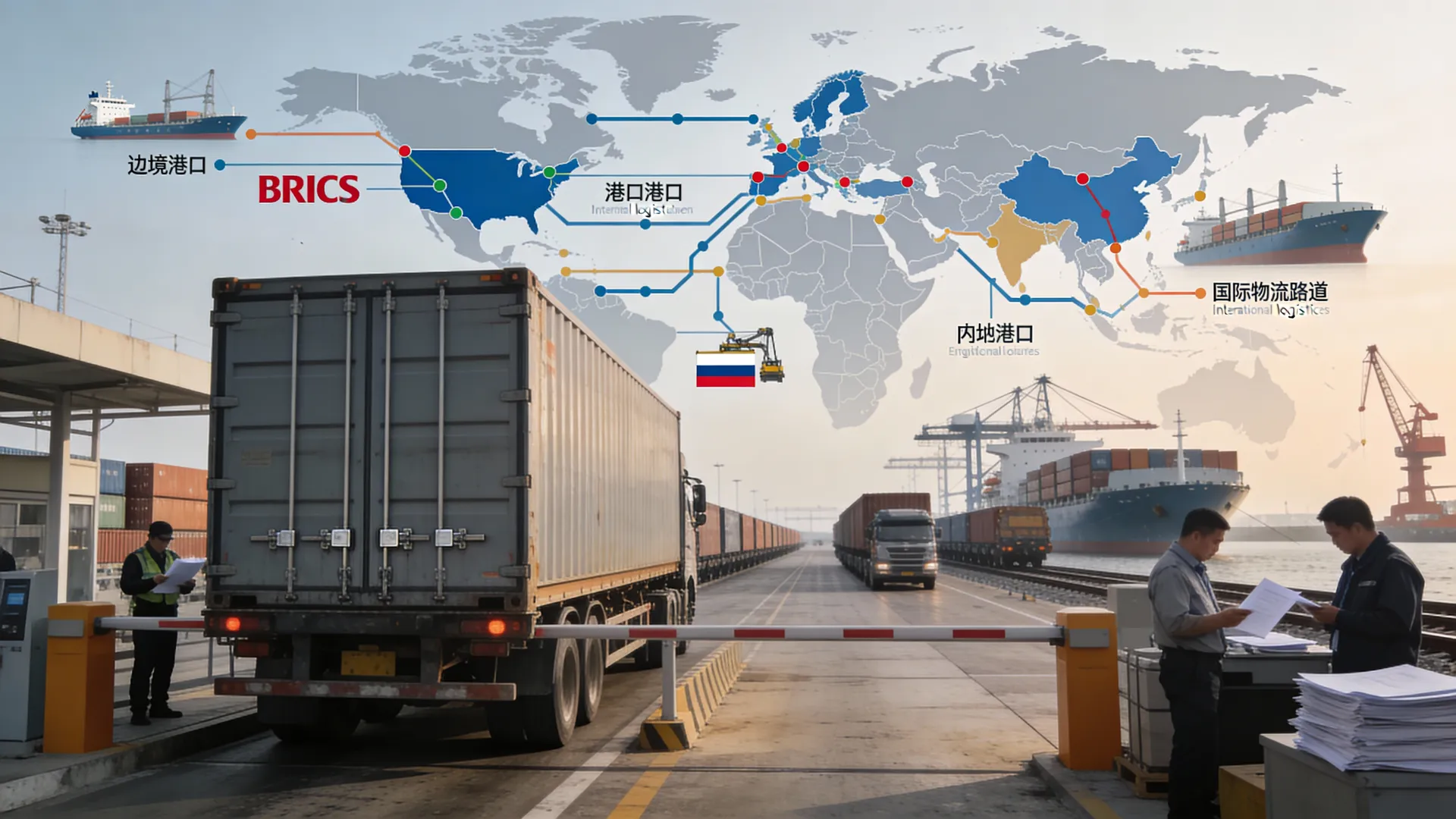
The global logistics industry is rapidly changing due to the introduction of artificial intelligence technologies. According to a report by Global Market Insights, the AI market in logistics and supply chain management exceeded $20 billion in 2024. Analysts predict that by 2034, this figure could reach almost 200 billion.
This growth is due to the increasing need for accurate analytics, supply chain transparency, and process automation. Businesses around the world are actively using AI to manage routes, automate warehouse operations, and predict demand. Special attention is paid to machine learning, which has become a leader among AI technologies, occupying 47% of the market. These algorithms not only analyze huge amounts of data, but also self-learn, offering more and more accurate forecasts and scenarios of development.
The United States makes the greatest contribution to the development of this industry. In 2024, the American market accounted for more than $6 billion in revenue. This result is due to the high level of digitalization, early adoption of AI, and support from government and private investors. Companies like Amazon Web Services, Oracle, Google, and IBM are actively developing AI areas by entering into strategic alliances and investing in logistics software.
AI technologies enable companies to quickly adapt to market changes, avoid disruptions, and increase customer satisfaction. Predictive analytics and software that provides end-to-end monitoring of supply chains in real time have become particularly in demand.
The growth of e-commerce and the development of omnichannel strategies require increased speed and accuracy from logistics. AI is becoming an indispensable tool in order processing, scheduling delivery, and predicting consumer behavior.
Machine learning algorithms allow not only to optimize stocks, but also to identify hidden patterns of demand, which significantly increases business profitability. In the face of increasing competition, companies are striving to strengthen their positions through AI and enter the market with cutting-edge developments, forming a new standard for the logistics of the future.