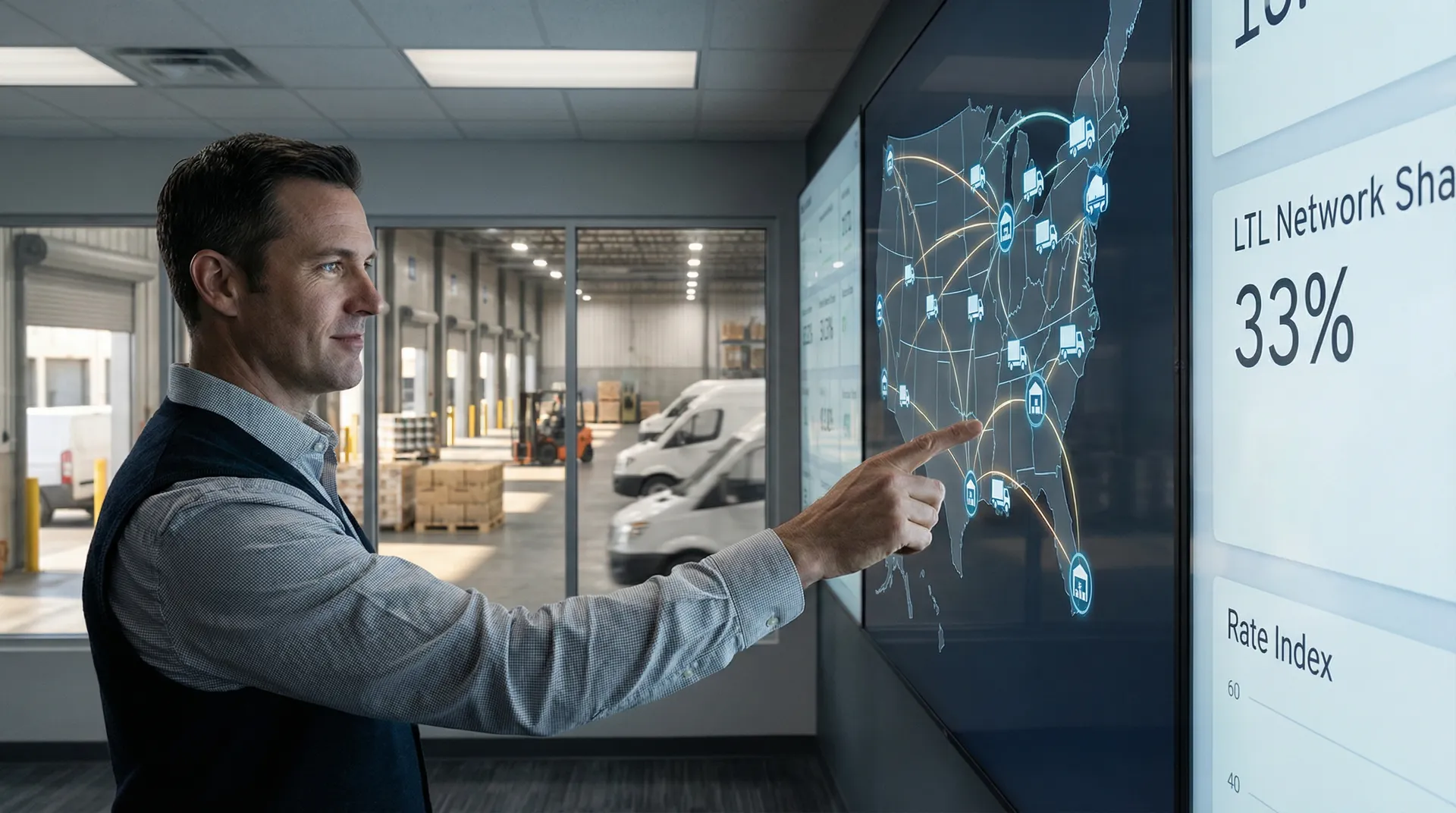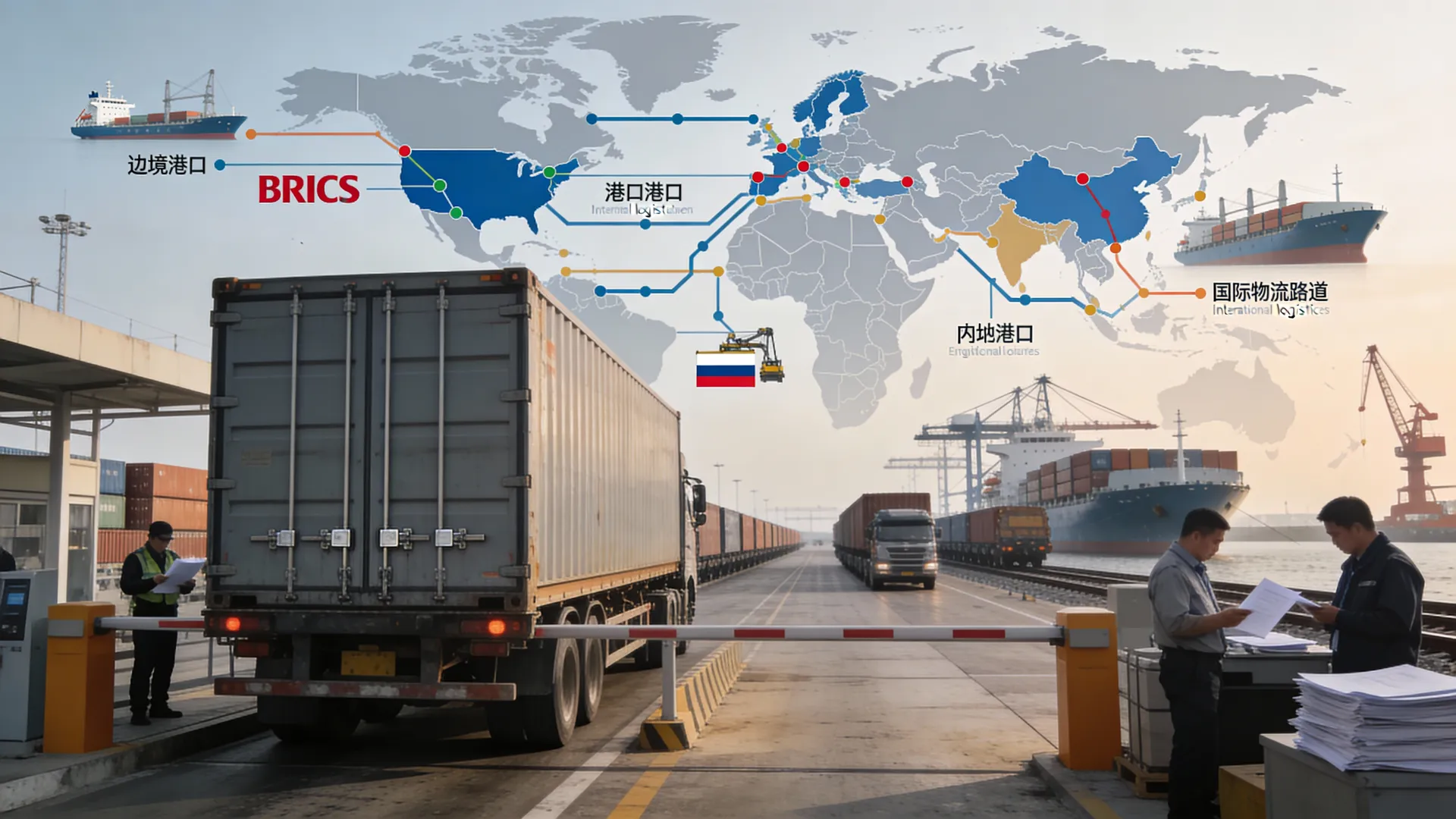
Logistics is currently at a turning point — technological innovations are rapidly rewriting the rules of the game. To maintain their position in the competitive race, companies need to invest in digital solutions that are already determining the effectiveness of delivery and supply chain management.
One of the key trends is the introduction of artificial intelligence. Modern algorithms not only predict demand, but also build optimal routes taking into account a variety of variables: from weather conditions to customs delays. This helps logistics operators to reduce costs and improve the accuracy of delivery.
Another technological achievement has been the development of the Internet of Things. Special sensors allow you to track the cargo in real time, monitoring its location, temperature and vibration level. This is especially important when transporting medicines, equipment, or food.
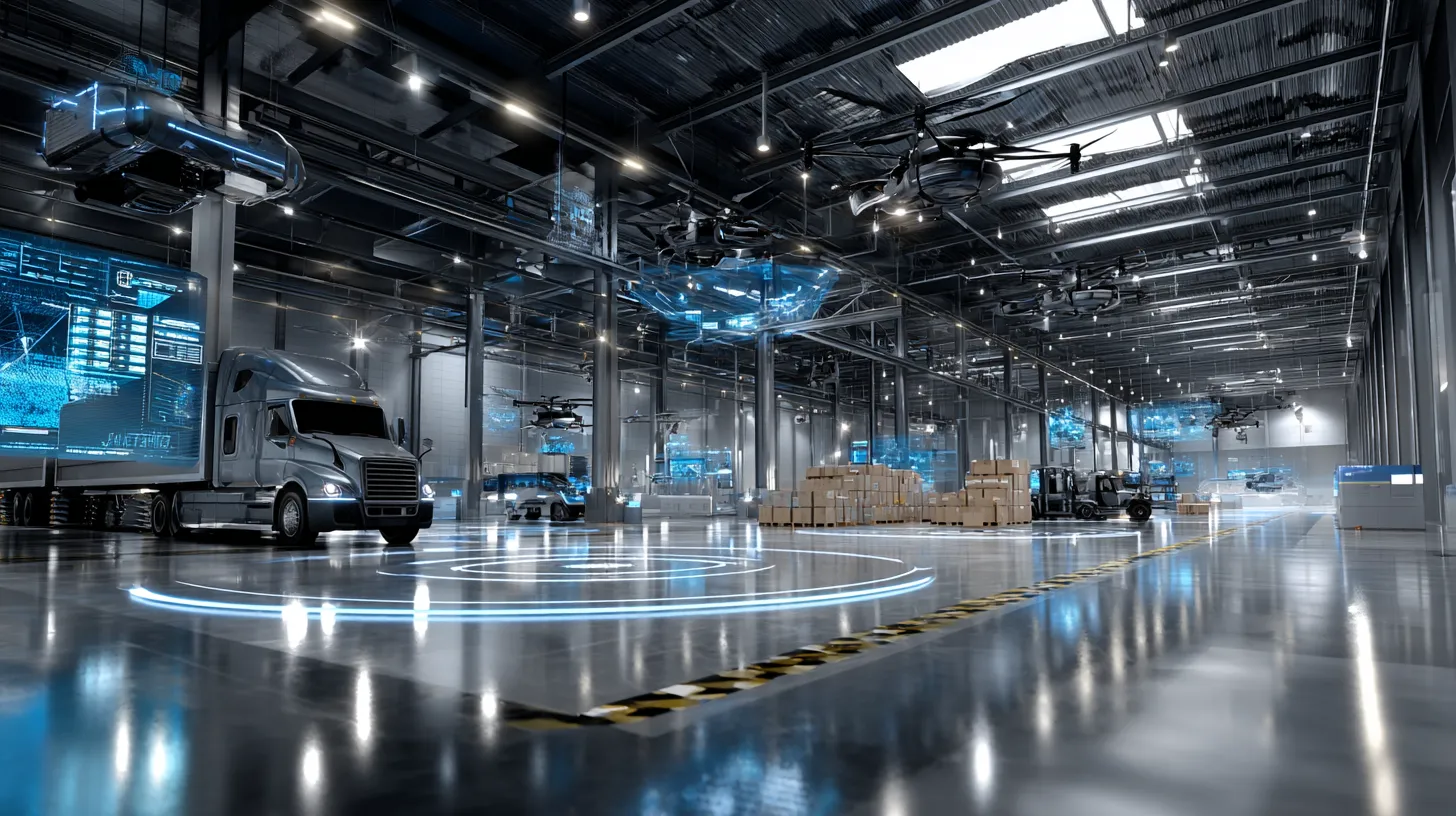
Robotization is also gaining momentum: autonomous trucks, drones, and warehouse robots are not just concepts, but real solutions already being implemented by major players. They allow you to speed up processes, minimize the human factor and increase the reliability of delivery.
Blockchain is equally important — it ensures maximum transparency at every stage of the logistics chain. Thanks to decentralization technology, information about cargo and documentation becomes unchangeable and accessible to all participants, reducing the risks of fraud and errors.
Environmental friendliness is also coming to the fore. Electric and hybrid vehicles, packaging recycling, and the choice of shorter routes all form responsible and sustainable logistics. Companies investing in such solutions not only reduce harm to the environment, but also enhance their reputation in the eyes of customers.
Market leaders such as Telega are already adapting these technologies in their daily work, paving the way for the future. They rely on smart solutions that allow them to be faster, more accurate and more environmentally friendly.
The bottom line is obvious: the logistics of the future is a synergy of high technology, transparency and responsibility. Those who master innovation today will set the pace for the entire industry tomorrow.