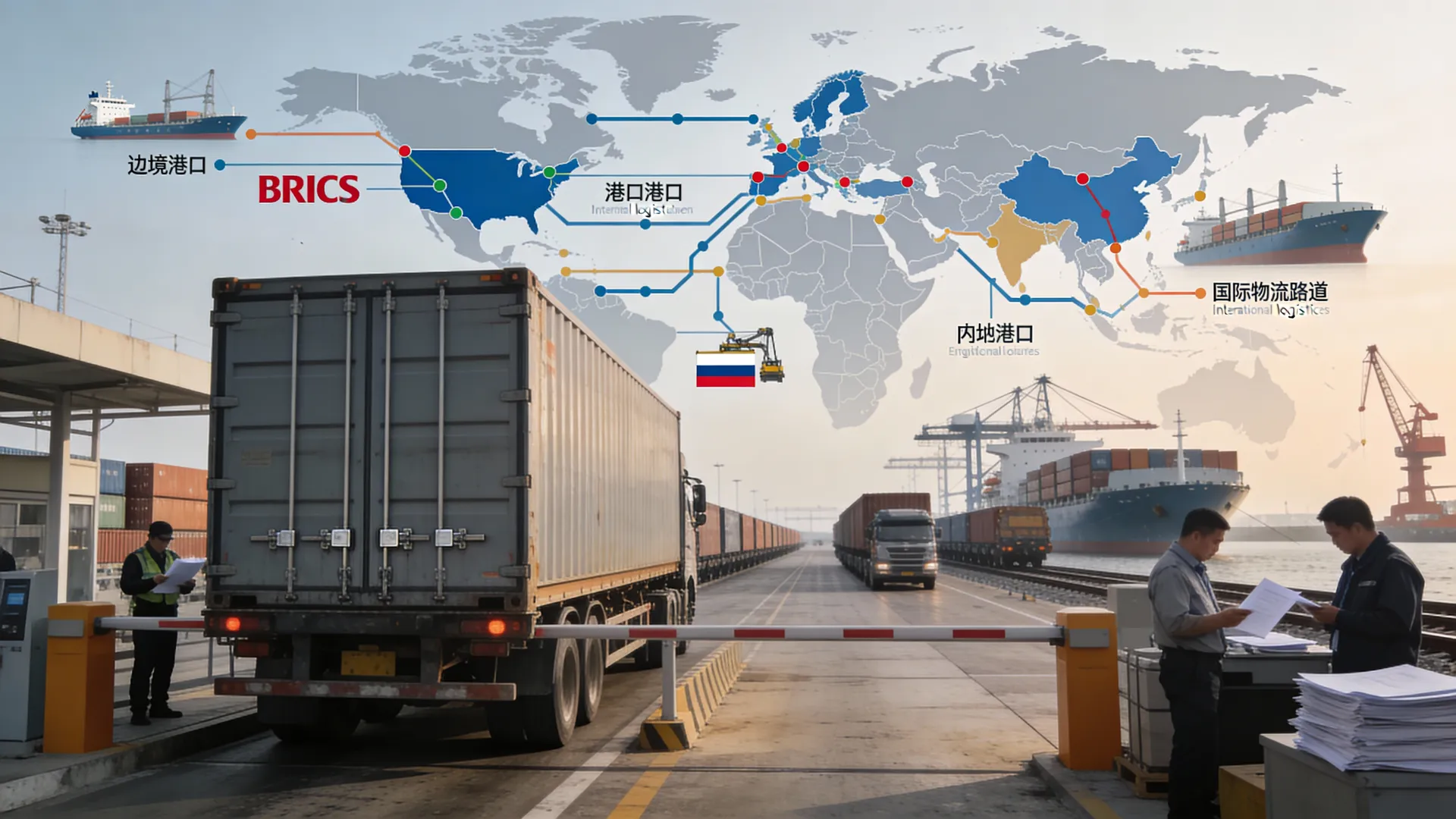
The Russian government has commissioned the development of a system that will allow verifying the authenticity and legality of the origin of goods sold on marketplaces. We are talking about the formation of a verified supply chain, covering the path of goods from customs clearance to the card on the online platform. The relevant roadmap should be prepared by the relevant departments by the end of March.
The Ministry of Industry and Trade, the Ministry of Economic Development, the Federal Customs Service, as well as other government agencies involved in the control of foreign trade and product turnover are involved in the work. The key idea of the initiative is to link marketplace data with government information systems so that the buyer, copyright holder and regulatory authorities can verify the legality of the product.
Sergey Shklyaev, Deputy head of the Federal Customs Service, explained the proposed mechanism of the system in an exclusive interview.
"The seller will be obliged to indicate in the product card the number of the customs declaration according to which the products were imported. Using this number, through a special service, it will be possible to verify the legality of the origin of the goods," he said.
In fact, we are talking about transferring the elements of customs control to the digital environment of e-commerce. This should significantly complicate the sale of counterfeit goods and products imported in violation of customs and tax requirements.
The relevance of the initiative is due to the growth of online commerce and an increase in the share of violations in this segment. According to market participants, up to 40% of counterfeit products in Russia today are sold through marketplaces. Copyright holders are increasingly turning to the courts, and lawsuits are being filed not only against sellers, but also against the platforms themselves. The recent dispute between Wildberries and Makita, which resulted in a settlement agreement in the amount of 7.7 million rubles, was significant.
A separate problem remains the "gray" import. A significant part of the goods, especially from China, enter the country through orders from individuals under simplified schemes. Such shipments make it possible to bypass full-fledged customs declaration, payment of taxes and mandatory labeling requirements. Experts note that the volume of such operations continues to grow, creating unequal conditions for legal business.
The new system should become a tool for leveling the rules of the game, but its effectiveness will depend on the depth of integration with customs databases, as well as on whether it will be possible to block the schemes of fragmentation of supplies and the use of fake individuals. For participants in foreign economic activity and marketplaces, this means a transition to a more transparent trading model, but also an increase in responsibility for the accuracy of the information posted.