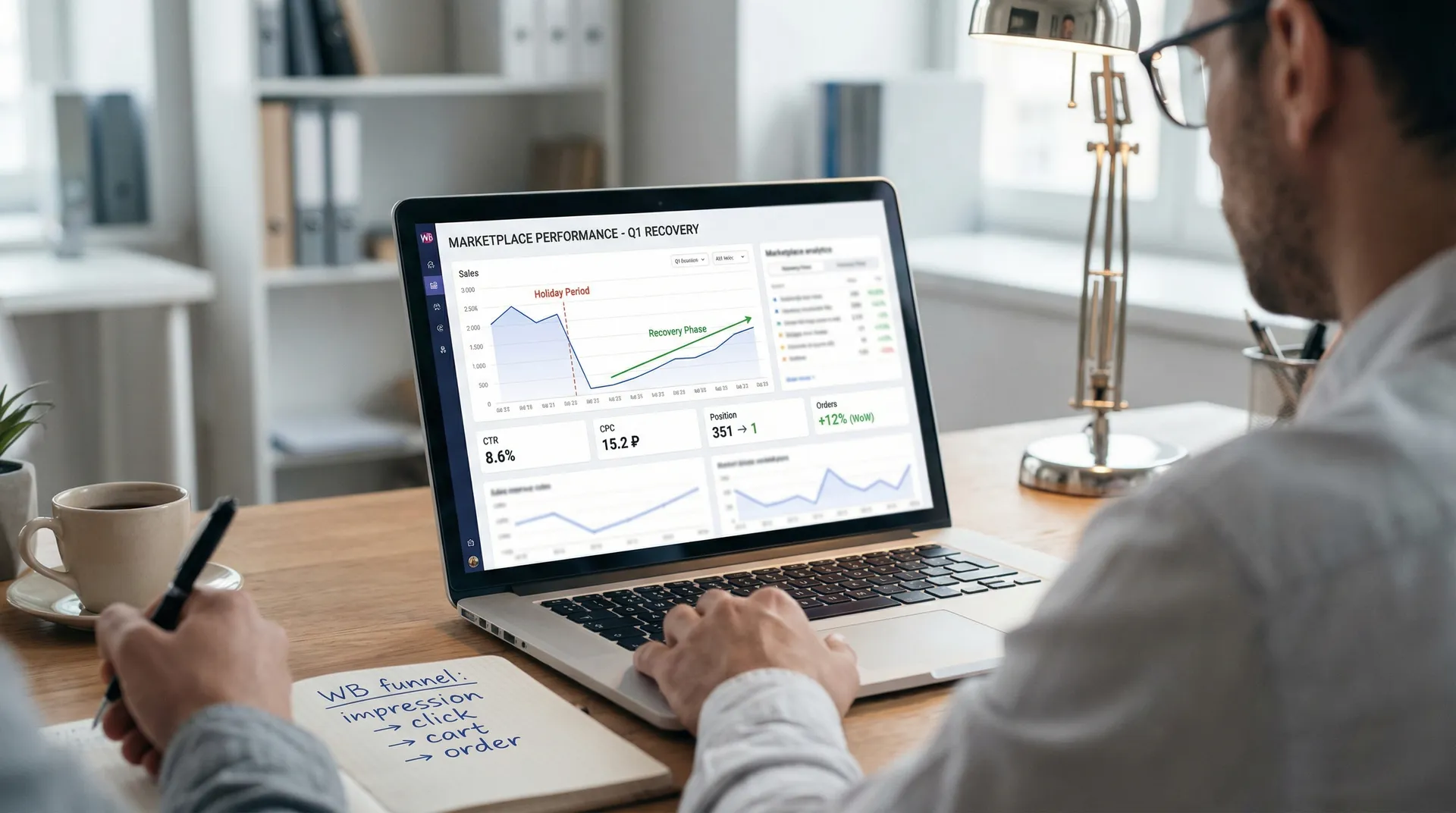
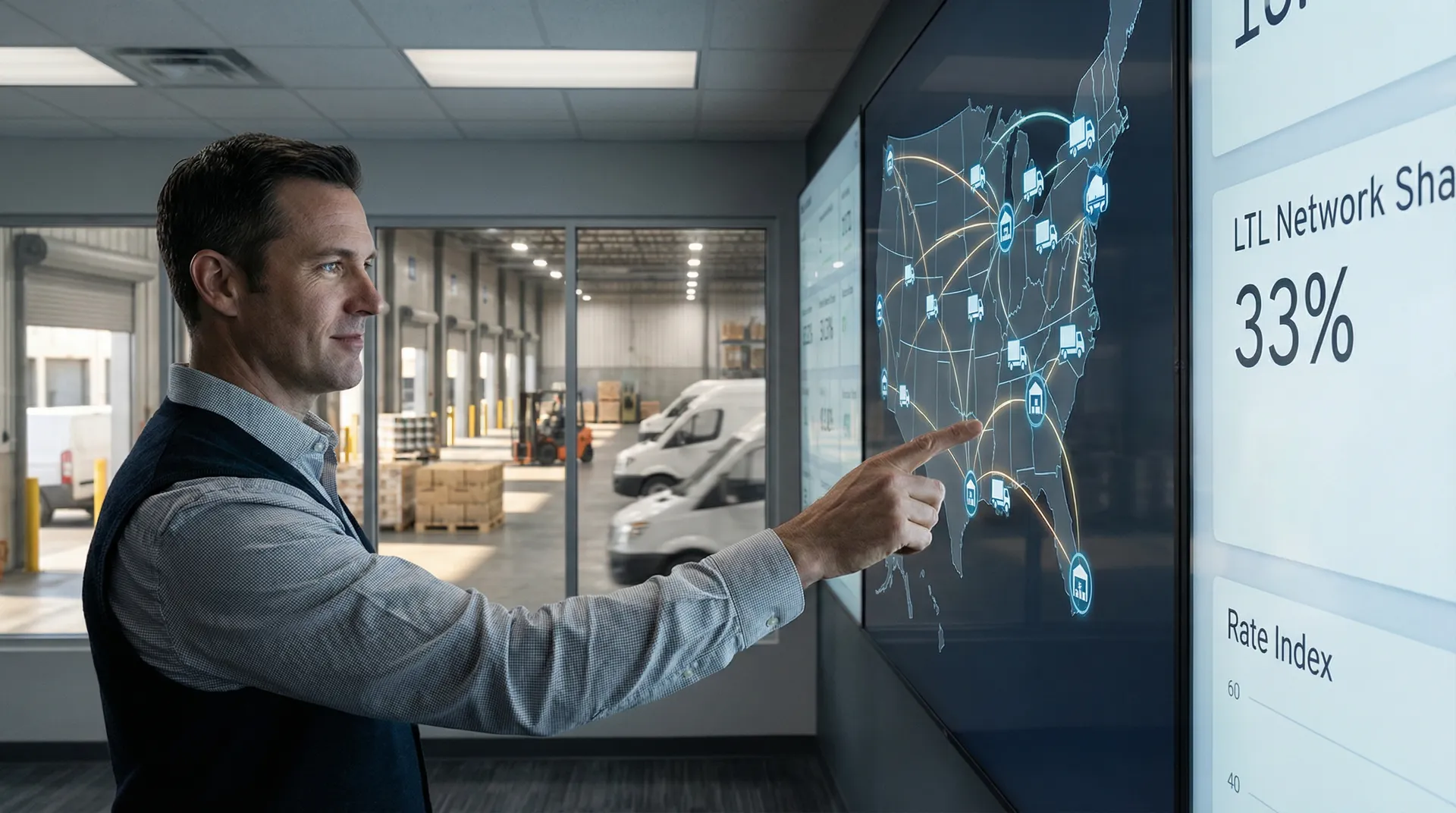
Ozon logistics is becoming more expensive, clusters are splitting up: how to plan deliveries and not burn margins on SVD

The market has entered a phase where "supply on a whim" has become an expensive mistake. After the December tariff update, even a small rise in price (estimated in public discussions to be within a few percent) begins to hit the unit economy noticeably when goods travel far and the delivery speed deteriorates.
A separate pain is SVD. This is not just a metric “for the report”: as the average delivery time increases, the seller turns on an increasing coefficient and adds a percentage of the product price. In the example, Ozon explicitly states: at 33 hours, the coefficient can be 1.230, plus a percentage of the logistics value of the goods is added.
Hence the “double penalty” effect: you pay more for transportation and at the same time lose competitiveness in delivery due to less attractive conditions for the buyer.
Why does cluster fragmentation increase pressure on margins
Starting from January 20, the boundaries and standards between the clusters are changing.
In practice, this means:
- We need to reassemble the inventory allocation scheme (what was the Caucasus yesterday will become two areas with different replenishment logic tomorrow);
- the role of accurate forecasts for distant regions will increase: an error in volumes will cost more, because “to deliver later” = expensive logistics + risk to worsen SVD;
- Some sellers will see different order dynamics between new clusters, and they will have to learn how to manage not a “country” but a portfolio of regions.
How to work with supplies in new realities: a practical scheme
- Plan based on turnover, not on the desire to “top up quickly.”
Distant regions and warehouses, which are often closed for reception, it is more reasonable to count 60-90 days from the horizon. The Middle Key (Moscow/St. Petersburg and the nearest ones) — more often fit in 30-60 days. The logic is simple: the harder it is to get into the slot and the longer the leverage, the more expensive the mistake. - Prepare the goods in advance and separate the “assembly” from the “slot”.
The slot may appear tomorrow, but you won't be able to physically make it. The correct model: pre-packaged volume at the fulfillment/own warehouse + quick check-out under the trapped window. - Use slots as a resource, not as luck.
Against the background of cluster fragmentation and tariff pressure, the fight for acceptance windows will become tougher. Therefore, many people perceive slot monitoring and auto-armor tools as an “operational crutch” that allows them to maintain inventory allocation and not fail the SVD. - Recalculate the supply economy for each cluster.
Not the “average hospital”, but separately: logistics + the impact of SVD + the risk of under-delivery. The goal is to understand which regions actually make a profit, and which “eat” margins for the sake of turnover.
Bottom line: in 2026, the winner is not the one who loads more, but the one who loads more precisely — for clusters, for delivery speed and for real slot restrictions.